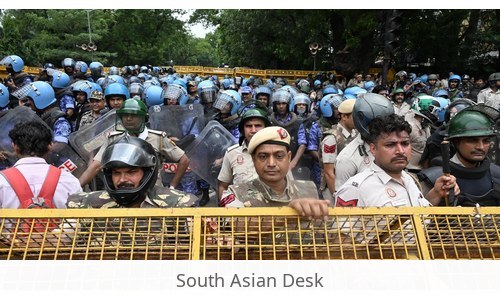
Supreme Court NEET protests: On September 1, 2026, the Supreme Court of India quashed all FIRs against NEET protesters across the country, citing the need for justice and accountability in police actions during the demonstrations. The court also directed the government to formulate a compensation scheme for protestors injured in police encounters related to the protests.
Supreme Court NEET protests: Implications for Future Protests
The ruling underscores the judiciary’s role in safeguarding civil rights in India and may influence future protest dynamics in India. By quashing FIRs, the court has set a precedent that could affect how law enforcement handles demonstrations, potentially reducing the legal risks for protesters. Public sentiment appears to favor greater accountability for police actions, with analysts noting that this decision may encourage more organized civic engagement in the future. The court’s reliance on Article 142 of the Constitution, which empowers it to issue directions for justice, signals a willingness to intervene in cases where systemic issues intersect with individual rights. This could embolden activists to challenge state actions in courts, particularly in cases involving alleged overreach by security forces. However, the ruling also raises questions about the balance between public order and civil liberties, a tension that has long defined India’s approach to protests.
Government’s Response
The government has initiated discussions on establishing a compensation framework for injured protesters, though specifics remain under formulation. Political reactions have been mixed, with some lawmakers praising the court’s emphasis on accountability while others caution against potential disruptions to law and order. The compensation scheme, if implemented, would mark a significant shift in how India addresses civil unrest and its aftermath. Critics argue that the absence of clear guidelines for police conduct during protests may lead to inconsistent enforcement, while proponents highlight the need for a standardized mechanism to address grievances. The ruling also places pressure on the Ministry of Home Affairs to revise training protocols for law enforcement, ensuring that future engagements with protesters align with constitutional safeguards. However, the timeline for implementing the compensation framework remains uncertain, with officials citing the need for inter-ministerial coordination and legal drafting.
Broader Context of NEET Education Protests
NEET education protests have historically centered on concerns about education access and the perceived elitism of the National Eligibility cum Entrance Test. These demonstrations often reflect broader societal debates about equity in healthcare and education systems. The Supreme Court’s intervention highlights the intersection of civil rights in India and public policy, reinforcing the judiciary’s role as a mediator in contentious social issues. The NEET exam, introduced to standardize medical and dental admissions, has faced periodic opposition from students and educators who argue that it disproportionately disadvantages marginalized communities. Past protests have led to temporary suspensions of the exam or revisions to its structure, but the current ruling represents a novel approach to addressing grievances through legal accountability rather than policy adjustments. The court’s decision may also influence similar disputes in other sectors, such as engineering or law, where standardized testing has sparked controversy.
Legal and Social Ramifications
The quashing of FIRs against protesters could have far-reaching legal ramifications. By invalidating charges that were previously used to criminalize dissent, the court has effectively removed a tool that law enforcement agencies have historically employed to suppress protests. This may lead to an increase in the number of demonstrations, as individuals feel emboldened to participate without the fear of legal repercussions. However, the ruling does not absolve protesters of responsibility for any unlawful acts committed during demonstrations. The court emphasized that while the FIRs were quashed, the government retains the authority to pursue legal action against individuals who engage in violence or property damage. This distinction is critical, as it ensures that the decision does not inadvertently encourage vigilantism or disorder.
Challenges in Implementation
The formulation of a compensation scheme for injured protesters presents several challenges. The government must first determine the criteria for eligibility, including the nature of injuries, the circumstances of the encounter, and the role of the police. This process will require collaboration with legal experts, medical professionals, and civil society organizations to ensure fairness and transparency. Additionally, the financial burden of such a scheme could strain public resources, particularly in a context where budget allocations for social welfare programs are already under scrutiny. The ruling also raises questions about the accountability of police officers involved in the encounters, as the compensation framework may not address the root causes of excessive force or misconduct.
Conclusion
The Supreme Court NEET protests ruling represents a pivotal moment in India’s legal and social landscape. By prioritizing accountability and justice, the judiciary has reaffirmed its commitment to protecting civil rights in India, even in the face of complex societal challenges. However, the success of this ruling will depend on the government’s ability to translate the court’s directives into actionable policies that address both the immediate needs of affected individuals and the broader systemic issues at play. As the nation moves forward, the interplay between judicial intervention, legislative action, and public discourse will shape the trajectory of future protests and the rights of citizens to engage in peaceful dissent.
Follow SouthAsianDesk on X, Instagram and Facebook for insights on business and current affairs from across South Asia.
This report focuses on Supreme Court NEET protests and the verified developments surrounding it.
Sources
- NEET protests: SC quashes FIRs against protestors under Article 142 – thehindu.com
- Supreme Court scraps all FIRs against NEET protesters across the country – indianexpress.com
Image: th-i.thgim.com