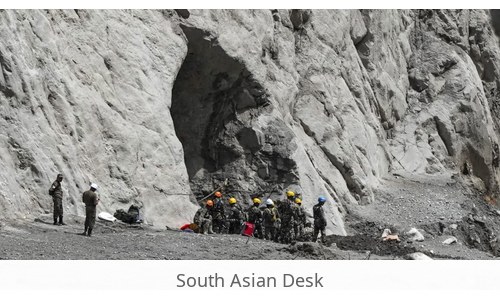
Nepal floods: On September 1, 2026, Nepal’s disaster agency confirmed the death toll from recent flash floods had surpassed 1,000, with 1,058 bodies recovered from the Rasuwa district alone. Rescue teams continue searching for thousands of missing individuals, including 583 foreigners, as authorities bury unidentified victims in temporary graves.
Nepal Floods: Humanitarian Impact
Families across Nepal remain in anguish as the search for missing loved ones continues. The Indian Express reported that over 3,916 people are still unaccounted for, with many communities left without access to basic necessities. In Rasuwa, where 1,058 bodies have been recovered, authorities have completed autopsies for 972 victims, though identification remains a challenge for many families. The process of identifying victims has been complicated by the lack of formal identification documents, a common issue in rural areas where record-keeping is inconsistent. Temporary graves have been established in several locations, including the Bhotekoshi area, where families are struggling to locate remains of relatives. The emotional toll on communities is immense, with local volunteers and religious groups organizing vigils and offering support to affected families. The scale of the disaster has also strained local healthcare systems, with hospitals overwhelmed by the influx of injured individuals and the need for post-mortem examinations. This humanitarian crisis in Nepal has drawn attention to the urgent need for improved disaster preparedness and community support systems.
Disaster Response Mechanisms
Nepal’s disaster management agency has deployed emergency teams to affected regions, but challenges persist. The Hindu noted that fresh flood alerts have been issued across several districts, complicating rescue operations. International aid organizations, including the Red Cross and UNICEF, are coordinating with local authorities, though logistical hurdles, including damaged infrastructure, have slowed relief efforts. In Rasuwa, damaged roads and bridges have hindered the movement of rescue teams, forcing reliance on helicopters and boats for access to remote villages. The situation has also raised concerns about the adequacy of Nepal’s disaster preparedness infrastructure, particularly in mountainous regions where flash floods can strike with little warning. Local officials have called for increased investment in early warning systems and community-based disaster response training, citing the need for better coordination between government agencies and grassroots organizations. Rescue efforts in Nepal remain a top priority as teams work tirelessly to locate the missing and provide aid to affected communities.
Climate Change Considerations
The floods have reignited debates about climate change’s role in intensifying natural disasters in South Asia. UN News reported that the confirmed death toll had surged to 903 as of August 31, with over 4,200 still missing. Experts warn that rising temperatures and erratic monsoon patterns could increase the frequency of such events, necessitating improved disaster preparedness and infrastructure resilience. The Nepal floods are part of a broader pattern of climate-related disasters across the region, including recent floods in India’s Assam and Bangladesh’s coastal areas. Scientists have linked the increased intensity of monsoon rains to global warming, which has led to more frequent and severe weather events. In Nepal, the impact is exacerbated by deforestation and land-use changes, which have reduced the natural capacity of the landscape to absorb excess water. The government has acknowledged the need for a comprehensive climate adaptation strategy, including investments in reforestation and sustainable land management practices. However, implementation has been slow, with competing priorities such as economic development and poverty alleviation often taking precedence. The climate change impact on Nepal underscores the urgent need for long-term environmental policies to mitigate future risks.
Contextualizing the Crisis
The Nepal floods highlight the ongoing challenges the country faces in disaster management and response, particularly in the context of climate change and infrastructure vulnerabilities. The region’s geography, characterized by steep mountain slopes and narrow river valleys, makes it highly susceptible to flash floods during the monsoon season. Historical data shows that Nepal has experienced similar disasters in the past, including the 2017 floods that affected over 1.5 million people. However, the current crisis is compounded by the lack of resilient infrastructure, such as flood barriers and drainage systems, which are critical for mitigating the impact of such events. The role of hydropower projects, which have been a focus of economic development in Nepal, has also come under scrutiny, with some experts suggesting that poorly designed or maintained projects may contribute to downstream flooding. The government has initiated discussions with international partners to secure funding for disaster mitigation projects, but progress has been limited by bureaucratic delays and funding constraints. The Nepal flood death toll continues to rise, emphasizing the need for immediate and sustained action to address the humanitarian and environmental challenges posed by these disasters.
Follow SouthAsianDesk on X, Instagram and Facebook for insights on business and current affairs from across South Asia.
Sources
- Nepal flash floods aftermath LIVE: Fresh flood alerts issued as water levels rise across several districts – thehindu.com
- Rasuwa flood: 1,058 bodies found as of Tuesday afternoon, autopsy reports completed for 972 – english.onlinekhabar.com
- Nepal floods: Death toll crosses 1,000 as rescue teams search for thousands | 10 updates – indianexpress.com
- Nepal buries unidentified flood victims as families await answers – aljazeera.com
- Nepal Flash Flood News LIVE: Over 1,000 Dead In Nepal Floods, Nearly 4,000 Missing – ndtv.com
- Nepal flooding deaths surpass 900 as needs climb – news.un.org
Image: images.indianexpress.com