Pakistan and Kyrgyzstan have signed a new Pakistan Kyrgyzstan trade agreement aimed at raising annual bilateral trade to $200 million, Pakistani Information Minister Attaullah Tarrar said on Wednesday, as both countries look to build deeper economic and transport links between South and Central Asia.
The agreement was signed during Prime Minister Shehbaz Sharif’s official visit to Bishkek, where he held talks with Kyrgyz President Sadyr Zhaparov covering trade, investment, energy and regional connectivity. Current bilateral trade between the two countries stands at around $16 million, a modest figure against the new target the two governments now hope to reach within two years under the Pakistan Kyrgyzstan trade agreement.
Leaders Push Pakistan Central Asia Connectivity Beyond Current Trade Levels
Speaking at a joint press conference with Zhaparov, Sharif said the existing volume of trade did not reflect the strength of the friendship, brotherhood and close relations between the two nations, and expressed his wish for both sides to formally commit to the $200 million annual target. Tarrar said the prime minister had turned words into action by signing the agreement at the airport, adding that the signing had taken place at Sharif’s own request.
A joint statement issued after the talks said the two leaders had instructed their governments to prepare and implement a comprehensive action plan to gradually improve trading mechanisms and support joint investment and industrial projects. Both sides identified mining and processing, agriculture, food, textiles, pharmaceuticals, the halal industry and digital technologies as priority areas for expanded investment and industrial cooperation, including through joint ventures and localized production, as part of the broader push for Pakistan Central Asia connectivity.
Transit Trade and Port Access Anchor the Pakistan Kyrgyzstan Trade Agreement
Landlocked Kyrgyzstan is seeking greater access to international markets through Pakistan’s Arabian Sea ports, while Islamabad has been working to expand its trade and transport links with Central Asia and, through it, the wider Eurasian region. To support this goal, the two countries signed a transit trade agreement designed to facilitate the movement of goods and strengthen connectivity between Central and South Asia, along with commitments to simplify transport, customs and administrative procedures under an existing quadrilateral transit arrangement.
The joint statement said both sides would work to make greater use of Pakistani seaports for Kyrgyz trade and to develop multimodal transport routes linking the two countries, a step officials see as central to improving Pakistan Central Asia connectivity over the coming years.
Energy Cooperation and the CASA-1000 Electricity Project
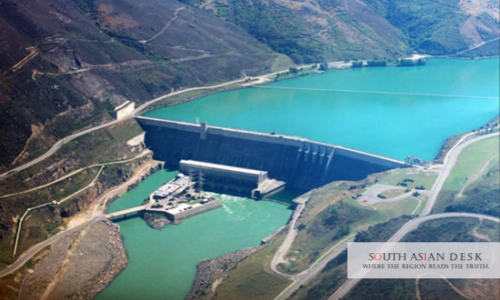
Energy featured prominently in the discussions, with both leaders calling for the timely implementation of the CASA-1000 electricity project, a $1.2 billion regional scheme designed to transmit surplus hydropower from Kyrgyzstan and Tajikistan through Afghanistan to Pakistan. Under the project, Pakistan is expected to receive around 1,000 megawatts of electricity and Afghanistan 300 megawatts, primarily during the summer months when Central Asian states typically have surplus hydropower available.
The two countries also established a joint working group to explore further cooperation in electricity, hydropower, renewable energy, energy infrastructure and new technologies, reinforcing energy as a long term pillar of the wider Pakistan Kyrgyzstan trade agreement framework.
Legal, Security and Sister-City Agreements Round Out the Visit
Beyond trade and energy, Pakistan and Kyrgyzstan signed an extradition treaty and an agreement on mutual legal assistance in criminal matters, along with an accord targeting illicit trafficking in narcotics, psychotropic substances and precursor chemicals. Additional agreements covered virtual assets, medical education, science and technology, education, climate change, academic and strategic research, postal services, and e-commerce and business cooperation. Lahore and the Kyrgyz city of Osh also established a sister-city relationship as part of the visit.
The two leaders further agreed that Afghan territory should not be used for activities threatening the security of other countries, linking stability in Afghanistan directly to efforts aimed at building stronger economic and transport connectivity between South and Central Asia. Taken together, the agreements signed in Bishkek mark one of the most substantial expansions of bilateral cooperation between the two countries in recent years, with the new Pakistan Kyrgyzstan trade agreement serving as the centerpiece of a broader strategic and economic partnership.
Published in SouthAsianDesk, September 3rd, 2026
Follow SouthAsianDesk on X, Instagram and Facebook for insights on business and current affairs from across South Asia.