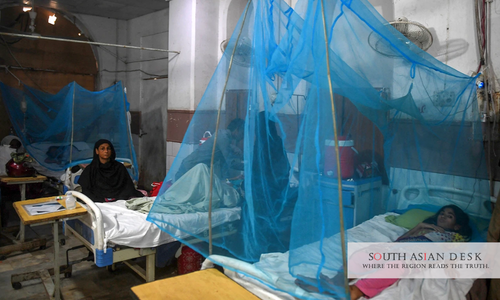
Sindh has emerged as the country’s most significant dengue hotspot, as nationwide dengue cases in Pakistan surged from roughly 100,000 in 2012 to an estimated 3.2 million in 2022, according to a recent study carried out by Aga Khan University in partnership with other research bodies. The findings paint a picture of a disease that has grown far beyond its traditional seasonal boundaries over the course of a decade.
Dengue is a mosquito-borne viral infection transmitted primarily by the Aedes aegypti mosquito, which breeds in stagnant water and typically proliferates during and after Pakistan’s summer monsoon rains. The illness can cause high fever, severe headaches, and muscle and joint pain, while severe cases can progress to bleeding, shock and, in some instances, death.
Why Sindh Has Become a Dengue Hotspot
Pakistan regularly experiences dengue outbreaks during its monsoon and post-monsoon months, prompting authorities to carry out inspections, eliminate stagnant water sources, spray high-risk areas and take action against properties where mosquito breeding sites are identified. Despite these recurring seasonal responses, the new data suggests that Sindh in particular has developed into a persistent centre of transmission rather than experiencing only intermittent outbreaks.
Professor Erum Khan, chair of Pathology and Laboratory Medicine at Aga Khan University, said the study’s distinguishing feature was its use of routinely collected clinical laboratory data drawn from three nationwide diagnostic laboratory networks to estimate the true incidence of dengue fever across the country. She said Sindh stands out as the highest burden hotspot for dengue transmission nationally, recording 45.63 cases per 1,000 population, equivalent to an estimated 2.63 million cases concentrated mainly among adults aged between 15 and 49.
Karachi East Identified as a Priority District
At the district level within Sindh, Karachi East reported the highest estimated incidence of dengue cases, marking it out as a priority area for targeted public health intervention. The concentration of cases in a single urban district highlights how localised factors, including population density and standing water sources, can significantly shape the geography of dengue transmission within a broader hotspot province.
The study’s authors said these findings underscore the urgent need to strengthen disease surveillance, focus resources on high-risk districts such as Karachi East, and improve environmental control measures across the province.
Toward Sustainable Dengue Prevention Strategies
The researchers called for investment in sustainable, multimodal dengue prevention strategies that go beyond routine inspections and spraying campaigns. These include stronger vector control programmes, the development and deployment of dengue vaccines, the use of Wolbachia-infected mosquitoes to limit the insects’ ability to transmit the virus, and expanded training and awareness among healthcare professionals in best practices for managing dengue fever cases.
Dr. Zarmeen Nasim, the study’s lead author and a researcher at Aga Khan University’s Health Data Science Center, said the findings show dengue can no longer be treated purely as a seasonal threat. She said that although cases continue to surge during the post-monsoon months, the study’s estimates, combined with seasonal data, point to signs of sustained year-round disease transmission, with outbreaks growing progressively larger over time.
What the Findings Mean for Public Health Planning
The scale of the increase documented in the study, from around 100,000 cases nationally in 2012 to an estimated 3.2 million a decade later, represents a significant shift in the burden dengue places on Pakistan’s health system. With Sindh identified as the epicentre of that burden and Karachi East singled out as a specific area of concern, health authorities now face pressure to move beyond reactive, monsoon-timed responses toward a more consistent, year-round strategy for controlling the disease.
Published in SouthAsianDesk, September 9th, 2026
Follow SouthAsianDesk on X, Instagram and Facebook for insights on business and current affairs from across South Asia.