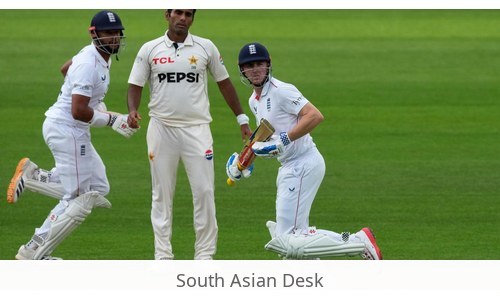
Pakistan slow over rate penalty has become a growing concern in international cricket, as the Pakistan cricket team faced a significant penalty during the Edgbaston Test against England. On September 14, 2026, Pakistan was fined and docked 11 points for being 11 overs short of the required over rate, a violation of the cricket over rate rules enforced by the ICC. This incident occurred as England secured an eight-wicket victory, completing a 3-0 series sweep against Pakistan. The ICC penalties imposed on Pakistan highlight the ongoing challenges teams face in adhering to strict timekeeping protocols during high-stakes matches.
Pakistan slow over rate penalty: Previous Penalties
This is not the first time Pakistan has faced penalties for slow over rates. ESPNcricinfo reports that during the semi-final of a recent tournament against Sri Lanka, Pakistan players were fined 5% of their match fee for maintaining an unacceptably slow over rate. Similarly, The Hindu notes that in a prior match, Pakistan’s Kranti Gaud was fined 10% of his match fee for breaching the ICC Code of Conduct, with one demerit point added to his disciplinary record. These instances highlight a pattern of recurring infractions by the Pakistan cricket team, which has raised questions about the team’s adherence to the ICC’s over-rate regulations.
Implications for Pakistan’s Cricketing Reputation
The ICC’s strict enforcement of over-rate rules has significant implications for team standings and player reputations. Slow over rates can disrupt the flow of a match and affect a team’s ability to compete effectively. While the ICC has consistently applied penalties across teams, the frequency of such infractions by Pakistan raises concerns about the team’s compliance with timekeeping protocols. Analysts suggest that repeated Pakistan slow over rate penalty incidents may impact Pakistan’s ranking points and future tournament prospects, particularly in high-stakes competitions where over-rate compliance is critical. The England cricket victory in the Edgbaston Test further underscores the importance of adhering to these rules to avoid penalties that could affect a team’s performance.
The ICC’s Over-Rate Regulations and Enforcement
The International Cricket Council (ICC) has long emphasized the importance of maintaining a consistent over rate to ensure the integrity and pace of the game. According to the ICC’s Code of Conduct, teams are required to bowl a minimum number of overs within a specified timeframe. Failure to meet these targets results in financial penalties, point deductions, and disciplinary actions. In the case of Pakistan’s Edgbaston Test penalty, the 11-point deduction directly impacts their position in the ICC Test rankings, which are crucial for qualification in major tournaments like the ICC World Test Championship. The ICC’s enforcement of these rules is designed to promote fairness and ensure that matches are completed within the scheduled duration, preventing delays that could affect the overall schedule of the cricket calendar.
Financial and Career Consequences for Players
The penalties for slow over rates extend beyond team standings, affecting individual players financially and professionally. For instance, the 5% fine imposed on Pakistan players during the semi-final against Sri Lanka translates to a significant portion of their match fee, which can be a deterrent for players who rely on consistent performance for income. Similarly, Kranti Gaud’s 10% fine and the addition of a demerit point to his disciplinary record illustrate the personal stakes involved. Accumulated demerit points can lead to suspensions or exclusion from future matches, emphasizing the need for players to adhere to the ICC’s guidelines. These consequences serve as a reminder that individual actions on the field have broader implications for both personal careers and team dynamics.
Broader Impact on International Cricket
The issue of slow over rates is not unique to Pakistan, but the frequency of penalties against the team has drawn particular scrutiny. The ICC’s consistent application of penalties across all teams underscores the importance of compliance, yet the repeated infractions by Pakistan raise questions about systemic challenges within the team’s structure. Coaches and administrators must address these issues through training and strategy, ensuring that players understand the importance of maintaining a brisk over rate without compromising their performance. The balance between competitive play and adherence to timekeeping protocols is a delicate one, and teams that fail to manage it risk falling behind in the rankings and facing reputational damage.
Conclusion
The Edgbaston Test penalty underscores the ongoing challenges faced by international cricket teams in maintaining optimal over rates. As the ICC continues to enforce its regulations, teams must balance the demands of competitive play with the need for punctual bowling. For Pakistan, this incident serves as a reminder of the importance of adhering to timekeeping standards to avoid further Pakistan slow over rate penalty that could affect their performance and standing in global cricket. The incident also highlights the broader need for all teams to prioritize over-rate compliance, ensuring that the game remains fair, efficient, and aligned with the expectations of fans and administrators alike.
Follow SouthAsianDesk on X, Instagram and Facebook for insights on business and current affairs from across South Asia.
Sources
- Pakistan fined, docked 11 points in Edgbaston Test for slow over rate – aljazeera.com
- Gaud penalised for giving send-off to Dulani in Asia Cup final – cricinfo.com
- Kranti Gaud fined 10% match fee for breaching ICC Code of Conduct – thehindu.com
Image: p.imgci.com