For centuries, the towering peaks of the Himalayas served as a backdrop to india-china border trade routes connecting India and China. Passes like Lipulekh, Shipki La, and Nathu La buzzed with activity, as traders exchanged goods such as wool, spices, medicinal herbs, and handicrafts. These routes were more than economic lifelines; they were threads weaving together cultures, fostering bonds between communities on both sides of the border. However, in 2020, the rhythm of this age-old exchange was disrupted.
Escalating tensions, particularly following clashes in the Galwan Valley, led to a complete halt in India-China border trade. The suspension left local economies reeling, with border villages facing sudden isolation. Families who depended on cross-border commerce for their livelihoods were plunged into uncertainty, their markets silenced, and their hopes dimmed by the weight of geopolitical strife. The absence of trade not only stifled economic growth but also eroded the sense of shared heritage that had long defined these frontier regions.
India-China Border Trade Talks: A New Dawn
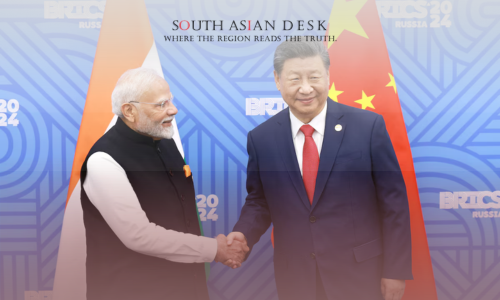
Recent developments have ignited a spark of hope for communities yearning for the return of cross-border commerce. High-level discussions between Indian and Chinese officials are underway, focusing on reviving India-China border trade after a five-year hiatus. These talks aim to reopen key trading points, allowing the flow of locally produced goods to resume.
The negotiations reflect a pragmatic approach, with both nations exploring frameworks to ensure smooth operations while addressing logistical and security concerns. This initiative follows a series of diplomatic engagements, including border pacts and ministerial meetings, which signal a cautious but deliberate effort to mend strained ties. For the people of the Himalayan borderlands, the prospect of restored trade is a beacon of optimism, promising not just economic revival but also a chance to rebuild connections severed by years of discord.
Economic and Social Impacts of India-China Border Trade Revival
The potential resumption of India-China border trade holds transformative possibilities for South Asia, particularly for remote Himalayan communities. Economically, it could breathe new life into local markets, enabling farmers, herders, and artisans to access buyers across the border once more.
A herder in Ladakh selling wool to Chinese traders, or an Indian artisan finding a market for handwoven textiles, represents more than a transaction; it signifies restored livelihoods and renewed dignity for those who have struggled in the absence of trade. Small-scale traders, often overlooked in broader economic narratives, stand to gain significantly, as reopened routes could alleviate poverty and boost incomes in regions where opportunities are scarce.
Beyond economics, the revival of India-China border trade carries profound social and emotional weight. For communities separated by the frontier, the resumption of commerce offers a pathway to reconnect, fostering a sense of shared purpose. It could also contribute to easing tensions in a region marked by past conflicts, promoting stability across South Asia. The sight of bustling trade posts, once silent, would evoke a powerful sense of hope, reminding residents of the resilience of human connections even in the face of adversity. As these talks progress, they underscore the human element at the core of diplomacy, where every reopened pass symbolises a step towards peace and prosperity.
Looking Ahead: The Future of India-China Border Trade
As negotiations continue, the focus remains on creating a sustainable framework for India-China border trade that benefits both nations. The discussions are not merely about reopening routes but about building trust and ensuring long-term cooperation. For South Asia, this could mark a turning point, where economic collaboration paves the way for broader regional harmony.
The revival of trade routes, steeped in history and human stories, offers a chance to heal old wounds and forge a future where communities thrive together. With every step forward, the promise of India-China border trade grows stronger, carrying the hopes of countless individuals eager for a brighter, more connected tomorrow.
Published in SouthAsianDesk, August 14th, 2025
Follow SouthAsianDesk on X, Instagram, and Facebook for insights on business and current affairs from across South Asia.