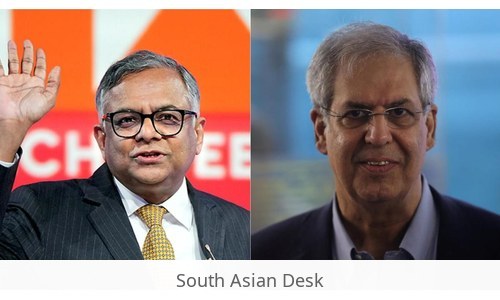
Tata Sons governance conflict has escalated as Tata Trusts raised legal concerns over the reappointment of N. Chandrasekaran, highlighting a significant governance conflict within Tata Sons. The dispute centers on ownership stakes, corporate governance practices, and the legal validity of board decisions within India’s largest conglomerate.
Tata Sons governance conflict: Key Facts of the Conflict
Tata Trusts holds a 66% stake in Tata Sons, making it the majority shareholder. The trust has contested the reappointment of N. Chandrasekaran, citing a veto from Noel Tata, who previously held significant influence over Tata Sons’ governance. This Tata Sons governance conflict underscores broader issues of corporate governance in major Indian conglomerates, where ownership structures and board decisions can have far-reaching implications for operational strategies and investor confidence.
Tata Sons, which is not publicly listed, has shares held by Tata Trusts, the Shapoorji Pallonji Group, and other institutional investors. This complex ownership structure has led to tensions over decision-making authority, particularly regarding board appointments and corporate policies. The Tata Sons governance conflict also raises India corporate governance issues, as the interplay between majority shareholders and management becomes a focal point for regulatory scrutiny.
The legal dispute hinges on the interpretation of Tata Trusts’ voting rights and the validity of the board’s decision-making process. Tata Trusts argues that the reappointment of Chandrasekaran violates the governance framework established by the late Ratan Tata, who had previously emphasized the need for transparent and accountable leadership. This has sparked debates about the role of legacy figures in shaping corporate governance norms, even after their tenure.
Implications for Tata Group’s Future
The the result may influence Tata Group’s operational strategies, as the board’s authority and decision-making processes come under scrutiny. Potential effects on investor perceptions of corporate governance could impact the group’s ability to attract long-term investment and maintain market stability.
The dispute also raises questions about the role of major shareholders in corporate governance, particularly when ownership is concentrated among a few entities. This situation could set a precedent for similar conflicts in other Indian conglomerates. The Tata Sons Board‘s handling of this issue will be critical in shaping the future of Tata Group corporate governance.
The conflict may also prompt regulatory bodies to revisit corporate governance guidelines for private sector conglomerates. Given the Tata Group’s prominence, any changes in governance practices could influence industry standards, particularly in areas such as board composition, shareholder rights, and transparency in decision-making.
Historical Context
The relationship between Tata Trusts and Tata Sons has historically been defined by a complex interplay of ownership and governance. Previous governance issues have often been resolved through internal negotiations, but this conflict appears to be more pronounced due to the legal challenges raised by Tata Trusts. The Tata Trusts legal concerns over the reappointment of N. Chandrasekaran have brought N. Chandrasekaran reappointment to the forefront of corporate governance debates in India.
The current dispute reflects broader trends in corporate governance across India, where the balance of power between shareholders and management is increasingly scrutinized. As one of the country’s largest conglomerates, the Tata Group’s governance practices could influence corporate standards in the region.
Historically, the Tata Trusts have played a pivotal role in shaping the strategic direction of the Tata Group, often acting as a stabilizing force during periods of transition. However, the current conflict marks a departure from this norm, as the trust’s legal challenge signals a more assertive stance in enforcing its governance preferences.
The dispute also highlights the evolving dynamics between legacy stakeholders and newer institutional investors. While the Shapoorji Pallonji Group and other shareholders have traditionally had a more passive role, the current situation may force them to take a more active interest in governance matters to protect their interests.
Conclusion
The the result represents a critical juncture in the evolution of corporate governance practices in India. As the legal battle unfolds, the resolution will not only determine the future trajectory of the Tata Group but also set a benchmark for how major conglomerates manage shareholder disputes and governance challenges.
The outcome of this conflict could have lasting implications for the Tata Group’s reputation, investor relations, and operational efficiency. It also underscores the need for a robust and transparent governance framework that balances the interests of all stakeholders, ensuring sustainable growth and accountability.
Follow SouthAsianDesk on X, Instagram and Facebook for insights on business and current affairs from across South Asia.
Sources
- Why are the Tata Sons Board, and majority-owner Tata Trusts in conflict? | Explained – thehindu.com
- Tata Sons IPO Row Explained: Why Shapoorji Pallonji Group Wants It, Noel Tata Doesn’t – ndtv.com
Image: th-i.thgim.com