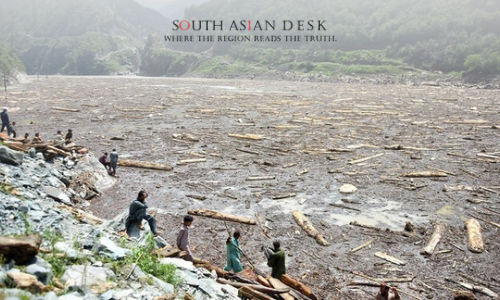
A massive lake, stretching 7 kilometres, has formed in northern Pakistan’s Gilgit Baltistan province, threatening catastrophic floods downstream. Triggered by a mountain mudslide on Friday, the natural dam has blocked the Ghizer River, creating a precarious situation for communities in its path. Authorities warn that the lake could burst, unleashing devastating flash floods across four districts: Ghizer, Gilgit, Astore, and Diamer.
Mudslide Blocks Ghizer River, Forming Dangerous Lake
The disaster began when a powerful mudflow cascaded down a mountainside, clogging the main channel of the Ghizer River. According to the National Disaster Management Authority (NDMA), the blockage has formed a dam-like structure, now holding back a vast body of water. This newly formed lake, described as a ticking time bomb, poses a severe risk to downstream areas if it breaches.
Zakir Hussain, Director General of the Provincial Disaster Management Authority, expressed grave concern, stating, “The lake’s potential to burst could lead to catastrophic flooding, endangering lives and infrastructure.” The affected districts, already reeling from recent monsoon-related devastation, now face heightened vulnerability.
A local shepherd, grazing livestock on higher ground, first noticed the mudslide and promptly alerted nearby villagers and authorities. This quick action enabled the rescue of nearly 200 people from dozens of homes scattered across the mountainsides and riverbanks. Their timely evacuation has likely averted a greater tragedy, but the threat remains far from over.
Downstream Communities on High Alert
While the lake has begun to release water, reducing the immediate risk of a sudden burst, officials caution that flash floods remain a possibility until the blockage is fully cleared. Faizullah Faraq, a spokesperson for the provincial government, confirmed that downstream communities have been instructed to remain vigilant and evacuate low-lying areas along the river. “We cannot rule out flash floods,” he said, urging residents to stay prepared.
The NDMA has issued warnings for two additional rain spells expected by 10 September, which could exacerbate the situation. Pakistan has already suffered immense losses this monsoon season, with 785 fatalities reported since late June due to widespread flooding. The affected regions, particularly in the northwest, have seen homes destroyed, crops ruined, and livelihoods shattered.
Monsoon Devastation Compounds the Crisis
The formation of this lake adds to an already dire situation in Pakistan, where monsoon rains and cloudbursts have wreaked havoc since mid-August. Nearly 400 people have lost their lives in the northwest alone, with the districts now at risk from the lake facing additional strain. The NDMA’s situation report highlights the urgency of the situation, urging immediate action to mitigate the risk of catastrophic floods.
Videos circulating among local authorities, though unverified by external sources, depict thick black mud sliding down the mountain into the river, a stark reminder of nature’s unpredictable force. Similar mudflows from multiple mountainsides have contributed to the blockage, amplifying the scale of the threat.
Coordinated Efforts to Avert Disaster
Rescue operations and disaster response teams are working tirelessly to manage the crisis. The NDMA and provincial authorities are monitoring the lake’s water levels closely, coordinating evacuations, and preparing for potential flash floods. The resilience of local communities, coupled with swift alerts from individuals like the shepherd, has so far prevented loss of life directly linked to the mudslide. However, the looming threat of flooding continues to cast a shadow over the region.
As Pakistan grapples with this unfolding disaster, the nation’s vulnerability to climate-driven events like floods and mudslides is starkly evident. The coming days will be critical as authorities strive to prevent a catastrophic flood that could further devastate communities already battered by nature’s fury.
Published in SouthAsianDesk, August 23rd, 2025
Follow SouthAsianDesk on X, Instagram, and Facebook for insights on business and current affairs from across South Asia.