US President Donald Trump on September 19, 2026, signed the Lindsey O. Graham Sanctioning Russia and Iran Act of 2026 into law. It gives the White House the power to put tariffs of up to 100 percent upon countries that keep buying large amounts of Russian oil and gas. The law is named after the late Republican Senator Lindsey Graham, a strong critic of Russia who died in July. The law basically targets Russia’s energy and defence sectors, its “shadow fleet” of tankers that help avoid sanctions, and also extends existing sanctions on Iran until 2031.
The law is however crucial from the context of India as well. The US President can now add extra tariffs on goods from the five biggest buyers of Russian crude oil or natural gas. The law states that these countries must stop or sharply cut purchases within 30 days of the law taking effect, or face the risk of duties. In fact, the list of top buyers will be reviewed every 180 days.
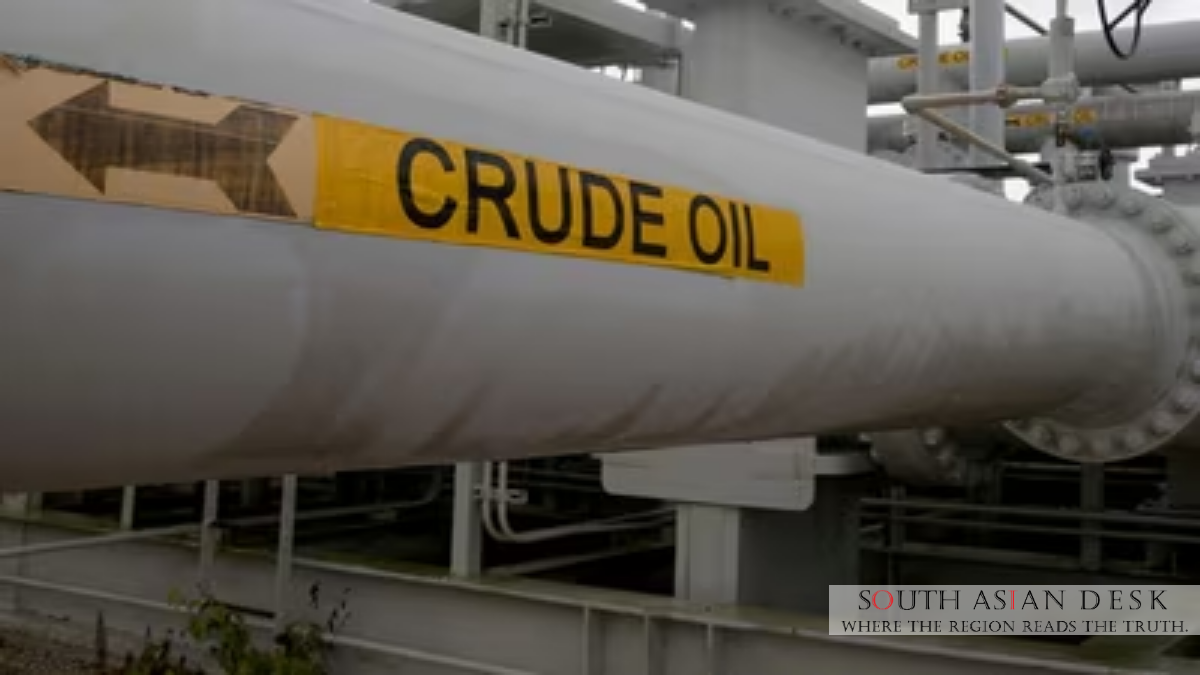
With this law coming into effect, India remains one of the most exposed countries. The country is the world’s third-largest oil importer and depends on imports for more than 88 percent of its crude needs. To meet the needs, Russia has become its biggest supplier. In August 2026, Russia supplied about 45 percent of India’s oil imports, around 2.08 million barrels. In the months before that, the share was over 50 percent. Between late 2022 and August 2026, India bought about 37 percent of all Russian crude exports, second only to China (around 50 percent), according to the Centre for Research on Energy and Clean Air.This heavy reliance on Russian oil started after Russia invaded Ukraine in 2022. Significantly, western countries stopped buying Russian oil, so Russia offered big discounts and as such India took advantage of the discount. Later, in 2026, problems in West Asia and reduced oil flows through the Strait of Hormuz made Russian crude even more important for India’s energy security.However, the new law does not automatically slap 100 percent tariffs on Indian goods. The US President has full discretion on whether to impose them, at what rate, and when. Even that puts India in a very critical stage.
The United States is still India’s largest export market. India sold about $92 billion worth of goods to the US in recent years. Major items include electrical machinery, medicines, textiles, chemicals, gems and jewellery, and engineering products. As such, the Textile exporters felt the impact right away. Shares of companies like Gokaldas Exports fell nearly 5 percent, while Indo Count Industries, Vardhman Textiles and Arvind also dropped. The Confederation of Indian Textile Industry said extra tariffs would be hard for the sector to handle, especially for smaller companies already dealing with problems from West Asia.
As such, the imposition of a full 100 percent tariff would roughly double the cost of many Indian products in the US market and make them hard to sell. Even smaller extra duties would hurt profits and market share. In fact, India has faced similar pressure before as well. In 2025 the US added a 25 percent tariff linked to Russian oil purchases. Later there was temporary relief through a trade understanding and special US waivers during the oil supply crisis.
India’s official position has however stayed clear. The Ministry of External Affairs has said India will keep working to secure energy for its 1.4 billion people through a mix of suppliers and based on market conditions. Officials have already discussed the issue many times with the US side and clearly explained the risks for both bilateral relations and global energy markets. The government has also said it will take all needed steps to protect India’s trade and economic interests and will work with industry groups.
However, understanding the gravity of the situation, India needs to manage three things at the same time: keep oil affordable and reliable, maintain good ties with the United States, and protect its export businesses. To do so, first, India must keep its communication clear with Washington. India is likely to ask for waivers or softer implementation. Cutting off Russian oil quickly while Gulf supplies are still limited would push global oil prices higher and hurt Indian consumers. It could also create problems for the US itself, especially before midterm elections. In the past, the US has shown some flexibility when its own energy and political interests were involved. Second, India should speed up the search for other oil suppliers. India is already buying more from Venezuela, African countries, North America and South America. This needs to continue. Long-term contracts, better shipping arrangements and more flexible refining will help reduce dependence on any one source. Completely replacing 2 million barrels a day of Russian oil overnight is not practical without much higher costs. A gradual cut in the percentage of total imports, which some refiners are already looking at, may be more realistic while talks with the US should continue. Third, India should push for a broader trade deal with the United States. A fair and balanced bilateral trade agreement that covers market access and other issues would give Indian exporters more certainty and reduce the impact of secondary sanctions tools. Industry groups have already called for faster progress on this.
Therefore, for India, it should continue to present its position as a matter of energy security for a large population, not as political support for any side. The new law gives the US a stronger tool to pressure countries that buy Russian energy. How much it actually hurts India will depend on how President Trump uses his powers, and on how well India handles diplomacy, finds other oil sources, and advances trade talks. For a country of 1.4 billion people, energy security and the ability to make its own choices remain top priorities. As such, managing the balance with the world’s most powerful economy will be an important test in the coming months.