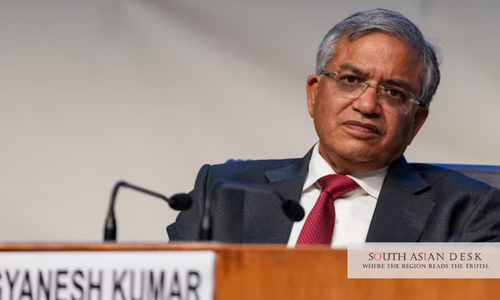
Supreme Court plea Gyanesh Kumar has brought the Election Commission of India (ECI) under renewed legal scrutiny, with a petition seeking criminal action against Chief Election Commissioner Gyanesh Kumar over alleged violations during the Special Intensive Revision (SIR) of electoral rolls. The petition was filed on September 25, 2026, by Supreme Court advocate Shailendra Mani Tripathi through advocate Chand Qureshi. It challenges decisions, guidelines and software changes allegedly made without the concurrence of the other two Election Commissioners and seeks an independent investigation into the electoral-roll revision process.
The petition asks the Supreme Court to declare the disputed decisions and directions unconstitutional and void where they were allegedly taken without the full Commission’s concurrence or contrary to the majority view. It also seeks criminal proceedings under Section 32 of the Representation of the People Act, 1950 against Kumar, Senior Deputy Election Commissioner Maneesh Garg, Election Commission Director General (Information Technology) Seema Khanna and any other officials found responsible for deliberate breaches of official duty.
Supreme Court plea Gyanesh Kumar: What the petition seeks
A central part of the Gyanesh Kumar Supreme Court plea concerns the administration of the SIR and alleged changes to the voter registration process. The petitioner has specifically challenged modifications associated with Form 6, the statutory form used for registration of new electors, as well as software-related changes affecting the management of electoral-roll information.
The petition also seeks restoration of the original Form 6 and an inquiry by an independent, high-powered judicial inquiry commission or a Special Investigation Team headed by a retired Supreme Court judge. According to the petition, the investigation should examine the technical and administrative operation of the ECINet and ERONet databases and the circumstances surrounding the removal of around 13 crore names from draft electoral rolls across 30 States and Union Territories during the SIR exercise. These figures and allegations are matters raised by the petitioner and are not findings by the Supreme Court.
The filing follows reporting by The Indian Express that Election Commissioners Sukhbir Singh Sandhu and Vivek Joshi had formally recorded objections at least 14 times over a 10-month period concerning decisions and orders they said had been issued without their knowledge. The objections reportedly covered voter additions, deletions and restoration, changes connected with voter registration, database management and other aspects of the SIR process.
Election Commission SIR row and internal objections
The reported objections have become an important part of the legal and political debate surrounding the petition. According to The Indian Express investigation, the two Election Commissioners recorded written dissents or objections on at least 14 occasions between November 2025 and August 2026, including four on one day. The report said some objections described particular steps as unauthorised or illegal, including issues surrounding voter registration procedures and the centralisation of electoral database functions.
The Election Commission has disputed the suggestion that these objections represented separate decisions being imposed by the CEC. The poll panel has said that individual views and observations form part of its deliberative process and maintained that the Commission’s decisions, including decisions relating to the SIR, were taken unanimously. The ECI has also said there was no change to Form 6 itself, arguing that the additional requirement linked to the SIR was introduced through a separate Annexure D rather than by altering the statutory form.
That distinction is significant because the dispute concerns both the substance of the electoral-roll process and the manner in which decisions were made within a three-member constitutional body. The disagreement therefore extends beyond individual administrative measures and raises questions about the operation of the Commission’s collective decision-making framework.
Section 16 CEC Act and the question of prosecution
Another major issue in the Supreme Court plea Gyanesh Kumar is the statutory protection available to the CEC and Election Commissioners under Section 16 of the Chief Election Commissioner and Other Election Commissioners Act, 2023. The provision states that courts shall not entertain or continue civil or criminal proceedings against a person who is or was a CEC or Election Commissioner for acts, things or words committed, done or spoken while acting, or purporting to act, in the discharge of official duty or function.
The petitioner argues that the protection cannot extend to alleged conduct that has no reasonable connection to an official function. In the filing, Tripathi contends that deliberate manipulation of electoral records, forgery or subversion of the electoral process would fall outside the scope of official immunity. The petition consequently asks the Court to treat such alleged conduct as potentially subject to ordinary investigative and criminal procedures. These are arguments advanced by the petitioner, not findings that Kumar committed any such acts.
The petition also relies on Section 18 of the 2023 Act, which governs the disposal of business by the Election Commission. Under the provision, Commission business is to be transacted unanimously as far as possible, while a difference of opinion is decided according to the majority. The petitioner argues that this framework prevents the CEC from exercising unilateral authority where the required collective decision-making process has not been followed.
Election Commission accountability in India
The dispute has intensified discussion about Election Commission accountability in India because the ECI is responsible for administering elections under Article 324 of the Constitution. Gyanesh Kumar has served as the 26th Chief Election Commissioner since February 19, 2025, according to the Election Commission’s official profile. Election Commissioners Sukhbir Singh Sandhu and Vivek Joshi currently serve alongside him on the three-member Commission.
The legal challenge therefore places issues of institutional procedure, statutory protection and accountability alongside the wider debate over electoral integrity in India. The petition’s allegations concern the administration of voter rolls and the powers exercised during the SIR, while the ECI has maintained that its decisions were taken collectively and in accordance with its procedures. The Supreme Court’s consideration of these competing positions will determine how the allegations and legal arguments are treated.
Chirag Paswan Election Commission remarks add to scrutiny
The controversy has also attracted comments from Union minister Chirag Paswan, who called on the Election Commission, particularly the CEC, to clearly address questions arising from the reported internal objections. Paswan said that public confidence in the electoral process made it important for the Commission to present its position when questions were raised about its functioning.
His intervention came as political parties intensified their scrutiny of the Election Commission following the reported objections by Sandhu and Joshi. The comments are separate from the legal claims made in the Supreme Court petition and do not constitute a finding on the allegations against Gyanesh Kumar.
What happens next
The latest developments have placed the SIR process, the powers of the Chief Election Commissioner and the scope of statutory immunity under renewed examination. The Supreme Court plea Gyanesh Kumar also brings together several related questions, including whether disputed electoral decisions complied with the collective decision-making requirements of the 2023 Act and whether alleged conduct can fall within the protection provided by Section 16.
As of September 26, 2026, the reported proceedings concern the filing of the petition and the reliefs sought by the petitioner. The allegations against Gyanesh Kumar and other officials remain allegations unless established through the appropriate legal process. The Election Commission, meanwhile, has maintained that its decisions were unanimous and has rejected the characterization of the reported differences as evidence that the Commission acted without collective approval.
Follow SouthAsianDesk on X, Instagram and Facebook for insights on business and current affairs from across South Asia.
Sources
The Hindu’s report on the Supreme Court petition, published September 25, 2026. The Hindu report
The Indian Express investigation and follow-up report on the petition and the 14 recorded objections. Indian Express report on the petition
Election Commission of India official profile of Gyanesh Kumar. ECI profile
India Code, Chief Election Commissioner and Other Election Commissioners Act, 2023. India Code Act text
India Today reporting on the Election Commission’s response concerning Form 6 and unanimity in SIR decisions. India Today report