The Bangladesh measles vaccination drive began on Saturday as a nationwide effort to reach 3.4 million unvaccinated and previously missed children, marking one of the country’s largest emergency immunisation campaigns in recent years. The month-long drive comes as Bangladesh grapples with its worst-ever measles outbreak, which has killed more than 1,000 people and infected tens of thousands since the start of the year.
Why the Bangladesh Measles Vaccination Drive Was Necessary
The campaign targets children between six months and 59 months of age. Authorities lowered the usual minimum vaccination age of nine months specifically because of the scale of the outbreak, allowing younger infants who would ordinarily wait for routine immunisation to be vaccinated sooner. According to the US Centers for Disease Control and Prevention, Bangladesh is currently experiencing the world’s largest measles outbreak, a distinction that reflects both the speed of transmission and the scale of the country’s immunity gaps.
Health ministry data shows the outbreak has resulted in 1,087 confirmed and suspected measles-related deaths since it began, including 101 laboratory-confirmed fatalities. Since 15 March, authorities have recorded close to 187,000 suspected cases and 21,099 confirmed infections, with more than 165,000 people hospitalised. The Directorate General of Health Services has been tracking the crisis closely, with case numbers rising steadily through the year before prompting the government to escalate its emergency response.
Roots of the Immunisation Gap
Health experts attribute the severity of the current measles outbreak in Bangladesh to disruptions in routine childhood immunisation programmes during 2024 and 2025. Political turmoil during that period, combined with changes to vaccine procurement processes and the postponement or outright cancellation of scheduled vaccination campaigns, left a substantial number of children without protection against the disease. Infants under nine months, too young for standard measles immunisation, proved especially vulnerable and have played a significant role in fuelling transmission across other age groups.
Since April, Bangladesh has vaccinated nearly 20 million children through a combination of emergency and follow-up campaigns. Despite this progress, health experts caution that significant immunity gaps persist, with many eligible children still unvaccinated or overlooked during earlier rounds of the drive. Officials and public health specialists agree that reaching every eligible child during this latest campaign will be critical to slowing further transmission and preventing similar outbreaks in the future.
Strain on an Already Stretched Health System
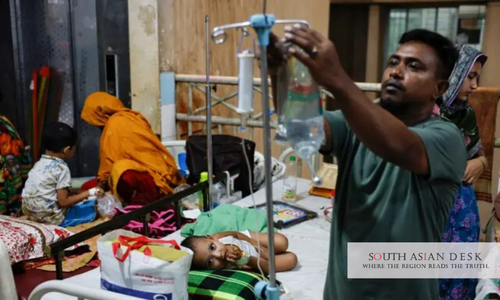
The measles outbreak in Bangladesh has placed considerable strain on a health system already dealing with a seasonal surge in dengue infections. Hospitals in Dhaka and other major cities have reported overcrowded wards, with patients, including very young children, receiving treatment alongside family members in packed facilities. Images from treatment centres in the capital have shown infants and toddlers being treated for measles even as dengue cases continue to rise in parallel, compounding the pressure on medical staff and available resources.
Officials say the vaccination drive is intended to close remaining immunity gaps, reduce the number of severe illnesses and deaths linked to the outbreak, and ultimately break the chains of transmission that have allowed the disease to spread so widely. The government has framed the campaign as both an emergency response and a longer-term corrective measure, aiming to restore the immunisation coverage that eroded during the disruptions of the previous two years.
What Comes Next
With the campaign scheduled to run for a month, health authorities are expected to provide regular updates on vaccination coverage and case numbers as the drive progresses. Given the scale of the outbreak and the number of children still considered at risk, public health officials have indicated that sustained monitoring, alongside continued investment in routine immunisation infrastructure, will be necessary well beyond the current campaign to prevent a repeat of the immunity gaps that allowed the outbreak to take hold in the first place.
Follow SouthAsianDesk on X, Instagram and Facebook for insights on business and current affairs from across South Asia.