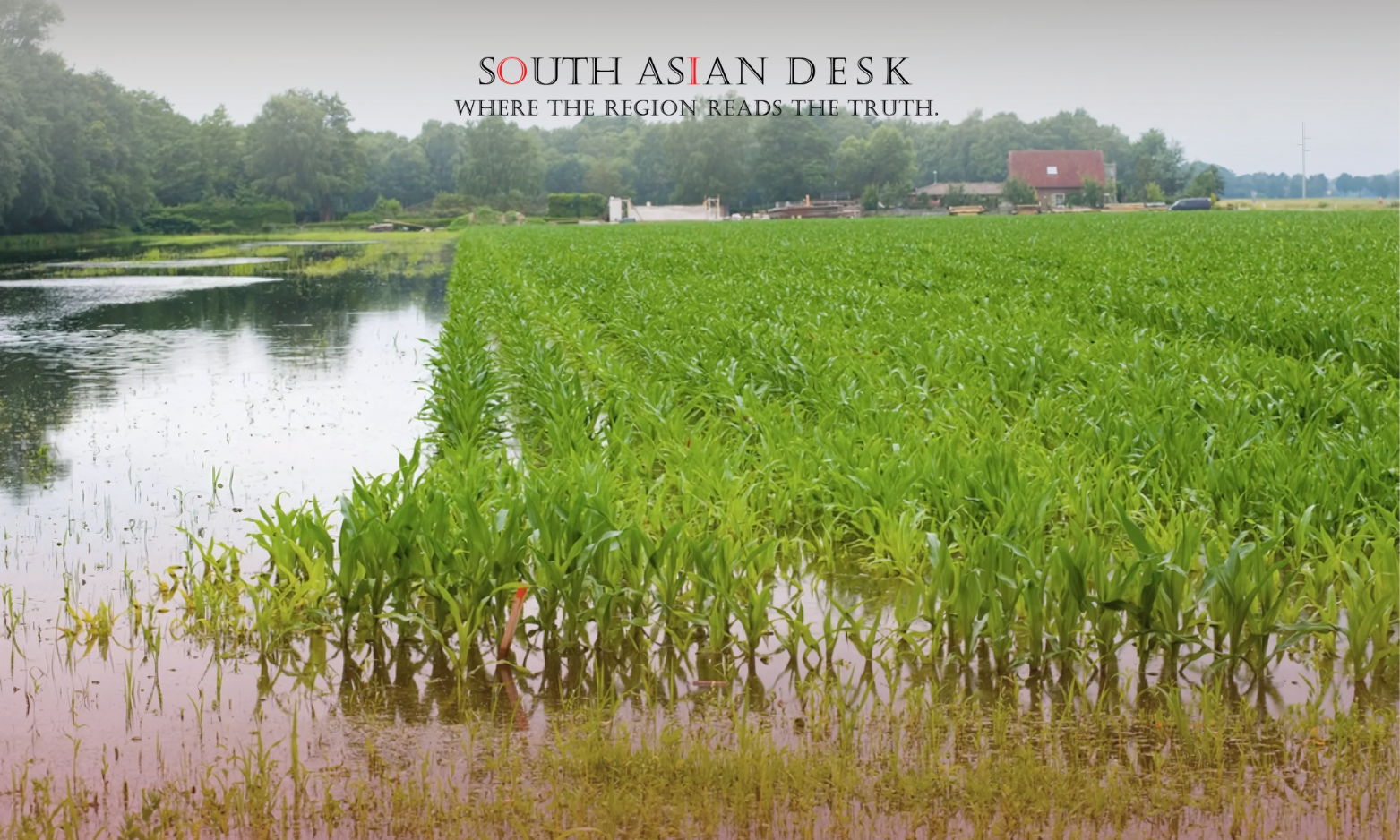
Monsoon floods wreak havoc, raising fears of escalating food costs and economic strain in Pakistan’s heartland.
The Pakistan floods devastation 2025 has displaced over 2 million people in Punjab province since Monday, June 30, 2025, killing 835, as heavy monsoon rains and India’s dam water releases swelled rivers. Occurring in Lahore, Muzaffargarh, Multan, and Kasur, the floods destroyed crops, prompting food price surges. Relief efforts continue amid chaos.
Why it Matters in South Asia
The Pakistan floods devastation 2025 threatens food security across South Asia, as Pakistan’s agricultural losses disrupt regional supply chains. With Punjab, Pakistan’s breadbasket, heavily impacted, rising Pakistan floods food inflation 2025 could strain economies in neighbouring India and Bangladesh, where food prices are already volatile.
Pakistan Floods Devastation 2025: Scale of the Crisis
The Pakistan floods devastation 2025 has unleashed unprecedented destruction in Punjab, with the Ravi, Sutlej, and Chenab rivers overflowing simultaneously for the first time in history. According to the Punjab Disaster Management Authority (PDMA), 2,038 villages have been inundated, affecting 1,516,603 people as of Saturday, September 6, 2025. The death toll stands at 835 nationwide, with 195 in Punjab alone. Rescue operations have evacuated 481,000 people and 405,000 livestock to safer areas.
The floods, triggered by heavy monsoon rains since late June 2025 and exacerbated by India’s release of water from dams on Wednesday, September 3, 2025, have submerged entire towns. According to the National Disaster Management Authority (NDMA), Narowal, Sialkot, Gujranwala, Gujrat, and Lahore faced heavy rainfall warnings on Thursday, September 4, 2025, with 50-100mm expected, risking urban flooding. The PDMA initiated controlled breaches of flood bunds to divert water from cities, protecting urban centres but flooding farmlands.
In Muzaffargarh, a boat capsizing incident on Saturday, September 6, 2025, killed five, including four children, highlighting the dangers of rescue efforts. According to Punjab Relief Commissioner Nabil Javed, over 2 million people have fled their homes, with 1,100 relief camps established. The Pakistan floods devastation 2025 has left families like Sobia Bibi’s in despair, with her reporting to media: “We lost everything: our homes, our crops.”
Pakistan Floods Food Inflation 2025: Economic Fallout
The Pakistan floods food inflation 2025 crisis looms as agricultural losses mount. Punjab, producing 76% of Pakistan’s wheat and 68% of its rice, has seen 600,000 acres of crops destroyed, including rice, cotton, and vegetables. According to the Ministry of National Food Security, wheat sowing delays could reduce output by 15%, pushing flour prices up. Vegetable prices in Lahore markets rose 30% by Friday, September 5, 2025, with onions and tomatoes doubling in cost.
The Pakistan floods food inflation 2025 threat compounds an already fragile economy. Inflation, which dropped to 4.1% in July 2025 from 11.1% in 2024, is projected to rise to 4-5% in August, driven by food shortages. According to the NDMA, rice exports, valued at USD 2.9 billion in 2024, may decline, straining foreign exchange reserves. The government banned wheat use in feed mills to secure flour supplies, but import needs for cotton and vegetables are rising.
Climate and Geopolitical Factors
The Pakistan floods devastation 2025 is intensified by climate change, with experts noting heavier rainfall and glacial melting. Pakistan, contributing less than 1% of global emissions, faces disproportionate climate impacts. A cloudburst in Buner on Friday, August 15, 2025, dumped 150mm of rain in an hour, killing 207. According to the NDMA, glacial outbursts in Gilgit-Baltistan and Khyber Pakhtunkhwa add to downstream flooding risks.
Geopolitically, India’s dam water releases, communicated via diplomatic channels on Wednesday, September 3, 2025, have sparked tensions. Pakistan alleges deliberate flooding, but experts like Daanish Mustafa from King’s College London clarify that India’s own states are impacted first, dismissing weaponisation claims.
Background
Pakistan’s vulnerability to floods was starkly evident in 2022, when monsoon rains killed 1,700 and caused USD 30 billion in losses. The 2025 floods, following a milder 2024, reflect worsening climate patterns, with 726% above-average rainfall in Sindh in August 2025. Deforestation and unplanned urbanisation along riverbanks exacerbate the Pakistan floods devastation 2025, as nullahs in Karachi and Lahore clog, worsening urban flooding.
What’s Next for Pakistan Floods Devastation 2025
Relief efforts, including Punjab’s “Clinics on Boats” and 1,100 camps, continue, but the Pakistan floods devastation 2025 demands long-term solutions. The NDMA predicts more rain until Thursday, September 11, 2025, in Sindh, risking further urban flooding. Investments in climate-resilient infrastructure and reforestation are critical to mitigate future Pakistan floods devastation 2025 and curb Pakistan floods food inflation 2025.
Published in SouthAsianDesk, September 9th, 2025
Follow SouthAsianDesk on X, Instagram, and Facebook for insights on business and current affairs from across South Asia.