What challenges await Afghan returnees as they seek to rebuild their lives?
Over 238000 Afghans returned from Iran and Pakistan in the past month, facing forced deportations and urgent needs for jobs, shelter, and education, as reported by the Commission for Addressing Refugees’ Issues on Tuesday, September 9, 2025, in Kabul.
Regional Impact
The mass return of over 238000 Afghans from Iran and Pakistan underscores a growing humanitarian crisis in South Asia, straining Afghanistan’s resources and highlighting the need for regional cooperation to address refugee challenges and ensure dignified reintegration.
Surge in Afghan Deportations
The Commission for Addressing Refugees’ Issues reported that over 238000 Afghans returned from Iran and Pakistan between August 9 and September 9, 2025, amid ongoing expulsions from neighbouring countries. Ahmadullah Wasiq, commission spokesman, stated, “In the past month, more than 238,700 people have returned from Iran and Pakistan. Nearly 12,600 families were transferred first to Kabul and then to their respective areas.” These returnees crossed primarily through the Torkham and Islam Qala border points.
The International Organization for Migration (IOM) corroborated this trend, noting that 1.5 million Afghans returned in 2025 alone, with daily crossings peaking at 50,000 on July 4, 2025. The returns are driven by Pakistan’s decision not to extend Proof of Registration cards and Iran’s intensified deportations following its conflict with Israel in June 2025.
Returnees’ Plight and Demands
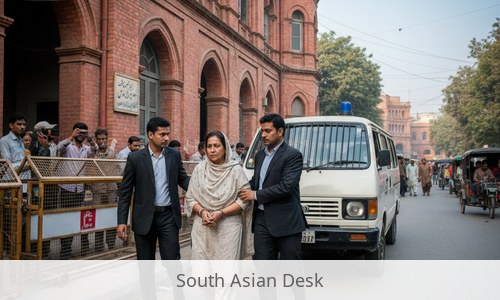
Returnees face significant challenges reintegrating into Afghanistan, with many reporting mistreatment in host countries. Ismail, a 38-year-old returnee from Pakistan, shared, “In the past, we had a good life in Pakistan, but recently the Pakistani government oppressed refugees a lot.” Over 238000 Afghans returned from Iran and Pakistan now seek urgent support, including shelter, employment, and education for their children.
Muhibullah, another deportee, said, “We want the Islamic Emirate to provide us with more assistance because we are refugees and spent our entire lives in Pakistan. Now, here we have nothing.” Similarly, Abdul Latif emphasized, “We want the Islamic Emirate to provide us with jobs and education for our children.” The Islamic Emirate has begun distributing land under a housing scheme and arable land for agriculture to returnees, and approximately 48,000 employment opportunities have reportedly been created for returnees through construction and vocational programs. Cash assistance totaling 80 million afghanis was distributed to around 9,000 returning families at Torkham, and earlier emergency funds of 2 billion afghanis were allocated to support basic needs like shelter, food, and medical care.
The UN Women reported that women and girls, comprising nearly half of returnees from Pakistan and one-third from Iran, face heightened risks of poverty, early marriage, and restricted rights under Taliban policies. UNICEF documented over 6,000 unaccompanied children among returnees by July 2025, underscoring the need for specialized protection.
Humanitarian Response and Logistics
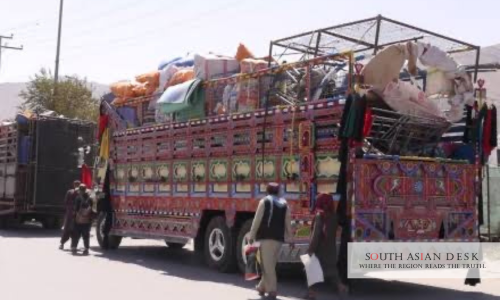
Efforts to support the influx of over 238000 Afghans returned from Iran and Pakistan include transportation and aid at border crossings. Ahmadullah Wasiq noted, “Nearly 12,600 families were transported from Torkham and Islam Qala to Kabul and onward to their provinces.” Truck drivers like Noor Mohammad facilitate this process, stating, “Whether it’s Baghlan, Kunduz, or any other province, we are here to serve them.”
The IOM operates four reception centres at major crossings, providing food, shelter, healthcare, and cash assistance. However, the organization warned on August 7, 2025, that without additional funding, these systems risk collapse. UNICEF’s Deputy Executive Director Ted Chaiban called for a “safe, dignified, and phased approach” to returns, emphasizing support for vulnerable groups like women and children.
Background
The return of over 238000 Afghans from Iran and Pakistan is part of a larger wave, with over 4 million returns since September 2023, per IOM data. Pakistan’s April 2025 deadline for undocumented Afghans and Iran’s post-war crackdown have accelerated deportations. Afghanistan’s capacity to absorb returnees is strained, compounded by four years of drought and limited access to education and healthcare. Since the Taliban’s 2021 takeover, restrictive policies, particularly for women, have heightened reintegration challenges.
In 2024, over 1.2 million Afghans returned, with 1.1 million from Iran and 80,500 from Pakistan. The World Food Programme assisted 600,000 returnees with nutritious food to prevent malnutrition. As of August 2025, IOM reports a funding gap of around 60% for its Afghanistan response, while UNICEF has received only 35% of its required $800 million for humanitarian programmes this year.
What’s Next
As over 238000 Afghans returned from Iran and Pakistan face uncertain futures, the Islamic Emirate and international organizations must scale up aid to meet their needs. With an estimated 1 million more returns expected from Pakistan, regional dialogue and funding are critical to prevent a broader humanitarian crisis.
Published in SouthAsianDesk, September 10th, 2025
Follow SouthAsianDesk on X, Instagram, and Facebook for insights on business and current affairs from across South Asia.