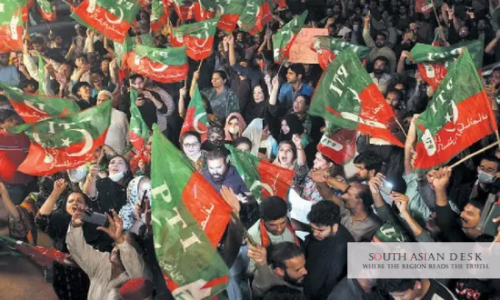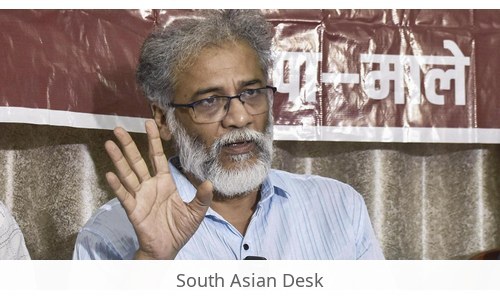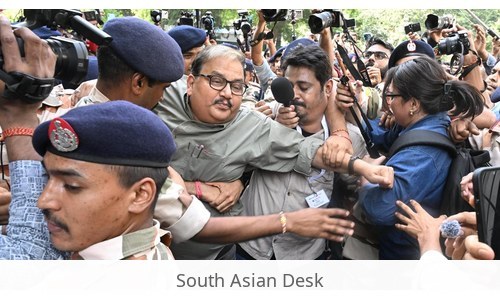
On October 2, 2026, RJD MP Manoj Jha was detained by Delhi Police near the Jantar Mantar protest site in New Delhi, an incident that has reignited discussions about political dissent in India. The protests, centered on opposition to the election chief, have seen multiple politicians detained, raising questions about the balance between public expression and state authority. This Manoj Jha detention incident has become a focal point in the broader context of Delhi Police protest actions and Jantar Mantar protests.
Manoj Jha detention: Political Dissent in India
The detention of Manoj Jha, a prominent member of the Rashtriya Janata Dal (RJD), occurred amid heightened tensions surrounding electoral governance. Delhi Police cited adherence to protest regulations as justification for the arrest, though critics argue such actions may suppress political expression. The incident underscores broader concerns about the legal framework governing public demonstrations in India, particularly in the context of electoral processes. This Manoj Jha detention has also drawn attention to the role of political dissent in India in shaping contemporary governance debates.
Significance of Jantar Mantar
Jantar Mantar, a historic site in New Delhi, has long served as a focal point for political protests. Constructed in the 18th century, it has been a venue for demonstrations on issues ranging from economic policy to electoral reforms. Its continued relevance in contemporary political discourse highlights its symbolic role as a space for dissent and public engagement. The Jantar Mantar protests, including the Manoj Jha detention, have further cemented its status as a key location for political expression. The site’s historical significance adds weight to its role in modern protests, particularly those involving election chief protests and RJD MP news.
Broader Context of Protests
The protests against the election chief reflect deeper anxieties about electoral integrity and governance transparency. Opposition parties have accused the administration of undermining democratic processes, while the government maintains that reforms are necessary to modernize electoral systems. Public sentiment remains divided, with some supporting the protests and others emphasizing the need for orderly dissent. The Manoj Jha detention has become emblematic of the tensions between political dissent in India and law enforcement actions during election chief protests.
Impact on Political Discourse
The detention of Manoj Jha has sparked a wider conversation about the role of political dissent in India’s democratic framework. Legal experts have weighed in on the implications of such arrests, with some arguing that while protest regulations are necessary, they must not be used to stifle legitimate political expression. This incident has also brought attention to the broader issue of Delhi Police protest actions and their alignment with constitutional rights. The Jantar Mantar protests, in particular, have become a microcosm of the larger debate over the balance between state authority and individual freedoms.
Historical Precedents and Modern Relevance
Jantar Mantar’s history as a site of political engagement dates back to the 18th century, when it was used by astronomers and later became a symbol of public dissent. In modern times, it has been the epicenter of numerous protests, including those related to economic reforms, environmental policies, and electoral governance. The result at this location underscores its continued importance in the political landscape of India. The site’s role in election chief protests further highlights its significance in contemporary political discourse.
Conclusion
The result of the incident has become a pivotal moment in the ongoing dialogue about political dissent in India. As protests continue to unfold at Jantar Mantar and other locations, the balance between state authority and individual rights remains a critical issue. The incident also serves as a reminder of the importance of protecting democratic processes while ensuring that public demonstrations remain peaceful and lawful. The role of RJD MP news in this context underscores the need for transparency and accountability in all aspects of governance.
Follow SouthAsianDesk on X, Instagram and Facebook for insights on business and current affairs from across South Asia.
Sources
- Watch: RJD MP Manoj Jha detained by Delhi Police near Jantar Mantar protest site – thehindu.com
- Indian police detain politicians at protests over election chief – aljazeera.com
Image: th-i.thgim.com