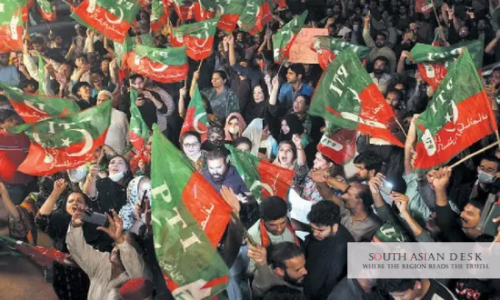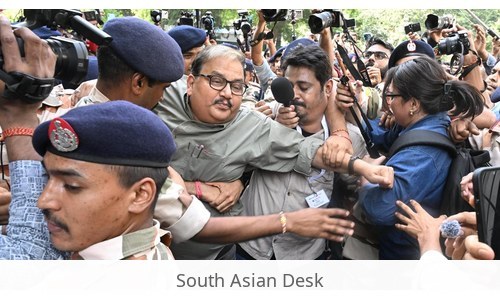
India protests Gyanesh Kumar: On October 2, 2026, India’s ‘cockroach’ protesters, led by the Cockroach Janata Party (CJP), announced nationwide demonstrations demanding the resignation of Chief Election Commissioner Gyanesh Kumar. The protests, centered on allegations of voter roll manipulation, are unfolding in major cities including Mumbai and Delhi, with participation from student bodies and civil society groups. The movement has become a focal point for youth activism in India, as younger voters increasingly challenge electoral integrity. This wave of dissent reflects a broader push for electoral reforms India, with critics arguing that systemic issues in voter registration threaten democratic processes.
India protests Gyanesh Kumar: Allegations Against Gyanesh Kumar
The protests stem from claims that Kumar’s administration altered voter rolls, affecting the electoral status of individuals. An Indian artist, whose voting status was reportedly changed by the Modi government, plans to join the demonstrations with a song highlighting the issue. While the allegations remain unproven, they have sparked significant public discourse on electoral reforms India. The CJP has accused the Election Commission of systemic voter roll manipulation, a charge that has resonated with supporters of Abhijit Dipke protests, who view the issue as a critical threat to democratic processes. These claims have also drawn comparisons to past movements, such as the Abhijit Dipke protests, which similarly emphasized transparency in governance.
Youth Movements and Political Discourse
The protests reflect growing discontent among younger voters, who are leveraging social media and art to mobilize support. The Cockroach Janata Party, founded by Abhijit Dipke, has positioned itself as a Gen Z-led movement advocating for electoral reforms. The use of protest art and digital campaigns underscores the role of youth activism in India in shaping political narratives. This wave of activism has also drawn parallels to past movements, such as the Abhijit Dipke protests, which similarly emphasized transparency in governance. Student groups and civil society organizations have amplified the message, using platforms like Instagram and Twitter to reach wider audiences and organize events in cities like Delhi, Mumbai, and Kolkata.
Future Implications
The demonstrations could influence upcoming electoral reforms India and political dynamics in India. However, the Election Commission has not yet responded to the allegations, and the Modi government has not commented publicly on the protests. The situation remains fluid as the movement gains traction across urban centers. Analysts suggest that the sustained pressure from India protests Gyanesh Kumar may compel policymakers to address systemic issues in voter registration, though no concrete measures have been announced. The protests also highlight the growing influence of youth activism in India, with younger generations demanding accountability and transparency in electoral processes.
The Role of Art and Media in the Movement
A key aspect of the protests is the integration of art and media to convey the message. The Indian artist whose voting status was reportedly altered has created a song titled “Deleted Voter,” which has become an anthem for the Cockroach Janata Party protests. This creative approach has helped the movement gain traction among younger demographics, who are more receptive to visual and auditory storytelling. Social media platforms have further amplified these efforts, with hashtags like #CockroachProtests and #SaveOurVotes trending in major cities. The use of protest art and digital campaigns underscores the role of youth activism in India in shaping political narratives.
Historical Context and Comparative Analysis
The current protests echo earlier movements, such as the Abhijit Dipke protests, which focused on similar issues of electoral transparency and governance. However, the Cockroach Janata Party protests have a distinct Gen Z identity, leveraging modern tools like TikTok and Instagram to mobilize support. This generational shift in activism highlights the evolving nature of political engagement in India. Experts note that while the Abhijit Dipke protests were more localized, the current movement has a national reach, with coordinated efforts in multiple cities and a strong online presence.
Conclusion
As the protests continue, the focus remains on the allegations of voter roll manipulation and the demand for electoral reforms India. The movement, led by the Cockroach Janata Party and supported by youth activism in India, has brought renewed attention to the integrity of the electoral process. Whether these demonstrations will lead to tangible changes remains to be seen, but they have undeniably reshaped the political discourse in the country.
Follow SouthAsianDesk on X, Instagram and Facebook for insights on business and current affairs from across South Asia.
Sources
- India’s ’cockroach’ protesters are back – this time asking poll chief to resign – dailymirror.lk
- Massive Protests Against Poll Body Chief Planned In Delhi, Mumbai Today – ndtv.com
- Indian artist takes ‘deleted voter’ song to Cockroach protest – aljazeera.com
- Cockroach Janata Party announces nationwide protests demanding CEC Gyanesh Kumar’s resignation – english.onlinekhabar.com