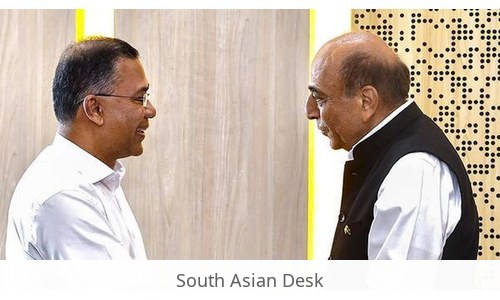
The Sheikh Hasina extradition process has emerged as a pivotal issue in South Asian geopolitics, with India’s High Commissioner to Bangladesh, Dinesh Trivedi, emphasizing the need for a ‘well-structured’ legal framework to address the matter. Trivedi highlighted that when Sheikh Hasina sought refuge in India after her government fell, ‘India had hardly any choice,’ underscoring the delicate balance between legal obligations and regional political sensitivities. His remarks reflect the diplomatic implications of the Sheikh Hasina extradition process, which could reshape India Bangladesh relations and test the resilience of the extradition treaty between India and Bangladesh.
Sheikh Hasina extradition process: Implications for India-Bangladesh Relations
The Sheikh Hasina extradition process is not merely a legal procedure but a complex interplay of regional politics and historical precedents. Trivedi’s comments highlight the intricate negotiations required to navigate the statement made by Dinesh Trivedi on the matter, which underscores the need for mutual understanding between India and Bangladesh. Historical cases of political asylum in South Asia reveal that such scenarios often involve high-stakes diplomacy, where bilateral relations and geopolitical interests play a decisive role. For instance, past instances of political asylum have been influenced by shared priorities in regional stability and counter-terrorism cooperation, factors that could also shape the current situation.
The extradition of Sheikh Hasina could significantly impact the dynamics between India and Bangladesh. Analysts suggest that the outcome of this process may influence future diplomatic engagements, including joint efforts in counter-terrorism and economic collaboration. The case highlights the importance of maintaining a balance between legal obligations and the protection of political asylum seekers, a principle that has guided political asylum in South Asia in the past. The potential extradition could lead to a reevaluation of bilateral ties, as both nations navigate the complexities of their historical relationship.
Legal Framework for Extradition
The issue is governed by the 1972 bilateral treaty between India and Bangladesh, which outlines procedures for the transfer of individuals wanted for criminal offenses. However, the case of Sheikh Hasina presents unique challenges, as her extradition would involve political and legal complexities not typically encountered in routine cases. Legal experts note that while the treaty provides a framework, the actual implementation depends on mutual agreement and the absence of conflicting legal claims. The statement by Dinesh Trivedi on the matter underscores the need for careful coordination between the two nations’ legal and diplomatic authorities to navigate these complexities.
The treaty itself has been a cornerstone of India-Bangladesh relations, but the political nature of this case introduces variables that could test the strength of bilateral ties. The extradition process will require thorough legal scrutiny and diplomatic engagement to ensure that both countries adhere to their commitments while addressing the political sensitivities involved.
Broader Implications for South Asian Relations
The result could have far-reaching effects on India Bangladesh relations, particularly in the context of regional stability and cooperation. The extradition treaty with Bangladesh serves as a legal foundation, but the political nature of this case introduces variables that could test the strength of bilateral ties. Analysts suggest that the outcome of this process may influence future diplomatic engagements, including joint efforts in counter-terrorism and economic collaboration. Additionally, the case highlights the importance of maintaining a balance between legal obligations and the protection of political asylum seekers, a principle that has guided political asylum in South Asia in the past.
As the matter unfolds, the role of diplomacy becomes paramount. Trivedi’s assertion that ‘nobody can give a time frame’ for Hasina’s return underscores the unpredictable nature of such negotiations. The statement by Dinesh Trivedi reflects the cautious approach required to avoid escalating tensions while adhering to legal protocols. This situation also raises questions about the broader implications of political asylum in South Asia, where the interplay of law and politics often defines the trajectory of regional diplomacy.
Follow SouthAsianDesk on X, Instagram and Facebook for insights on business and current affairs from across South Asia.
Sources
- Sheikh Hasina’s extradition possible via ‘well-structured’ process: India’s High Commissioner to Bangladesh – thehindu.com
- “Nobody Can Give Time Frame”: Indian Envoy On Sheikh Hasina’s Extradition – ndtv.com
Image: th-i.thgim.com