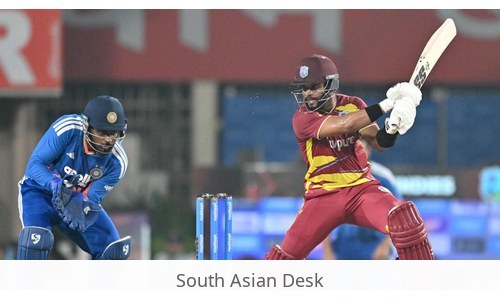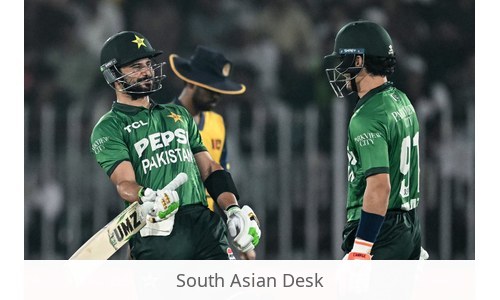
On 2026-10-10, Pakistan secured a four-wicket victory over Sri Lanka in the Rawalpindi T20I, showcasing their ability to chase down a target of 183 runs. This result gives Pakistan a 1-0 Pakistan T20I series lead in the series, reflecting their competitive edge in international cricket. The Sri Lanka cricket match marked a significant moment in the ongoing South Asian cricket rivalry, with Pakistan’s victory setting the tone for the remainder of the series.
Pakistan T20I series lead: Key Performers
Lahiru Udara’s performance was the standout for Sri Lanka, scoring 91 runs and providing a formidable total. Udara’s innings, which included a mix of calculated singles and aggressive boundaries, gave Sri Lanka a strong foundation. His partnership with Kusal Mendis (52) added 127 runs for the third wicket, setting the stage for a challenging target. On the Pakistan side, key contributions came from Babar Azam and Shadab Khan, whose performances were pivotal in securing the Pakistan T20I series lead. Babar Azam anchored the innings with a composed 68-ball 72, while Shadab Khan’s 38 off 28 balls provided crucial momentum in the middle overs. Udara’s innings provided Sri Lanka with a strong foundation, but Pakistan’s batting unit executed their strategy with precision to cross the finish line.
Match Analysis
Pakistan’s victory was a result of effective batting strategies and disciplined fielding. The team’s approach to chasing the target involved a balanced innings, with contributions from both top and lower-order batsmen. Babar Azam’s innings was crucial in stabilizing the innings after a shaky start, while Shadab Khan’s aggressive batting in the middle overs kept the pressure on Sri Lanka’s bowlers. The lower order, led by Mohammad Rizwan (34) and Iftikhar Ahmed (26), ensured that Pakistan reached the target with ease. Sri Lanka’s bowling attack, while competitive, faced challenges in containing Pakistan’s aggressive batting lineup. The Pakistan T20I series lead highlights Pakistan’s ability to adapt and dominate in high-pressure situations.
Significance of the Match
The match highlights the ongoing South Asian cricket rivalry between Pakistan and Sri Lanka, a rivalry that has significant implications for both teams’ standings in international cricket. This victory reinforces Pakistan’s position as a dominant force in T20I cricket within the region. For Sri Lanka, the loss serves as a reminder of the need for strategic adjustments in their approach to upcoming matches. The result underscores the importance of maintaining consistency in the series to secure a decisive advantage. The result also adds to the historical context of the rivalry, with Pakistan’s win in Rawalpindi marking a continuation of their strong performances against Sri Lanka in recent encounters.
Broader Implications for the Series
The Rawalpindi T20I result has shifted the dynamics of the series, with Pakistan now holding the upper hand. Analysts suggest that Sri Lanka must regroup quickly to avoid being overtaken in the series. The Sri Lanka cricket match has also reignited discussions about the South Asian cricket rivalry, with fans and experts alike analyzing the tactical nuances that defined this encounter. Pakistan’s cricket victory has not only boosted their confidence but also raised the stakes for the remaining matches. The Lahiru Udara performance will be a key talking point for Sri Lanka’s coaching staff as they strategize for the next matches.
Looking Ahead
With the series firmly in their grasp, Pakistan will aim to maintain their momentum in the upcoming fixtures. Sri Lanka, on the other hand, will need to address their shortcomings in the batting and bowling departments to level the series. The Rawalpindi T20I has set the stage for an intense and closely contested series, with both teams vying for supremacy in the region.
Follow SouthAsianDesk on X, Instagram and Facebook for insights on business and current affairs from across South Asia.
Sources
- Pakistan draw first blood – dailymirror.lk
- Farhan, Sadaqat help Pakistan ace 183 chase to go 1-0 up – cricinfo.com
Image: p.imgci.com