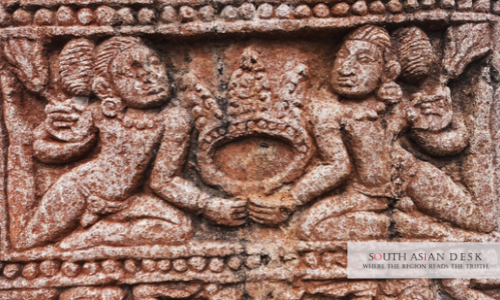
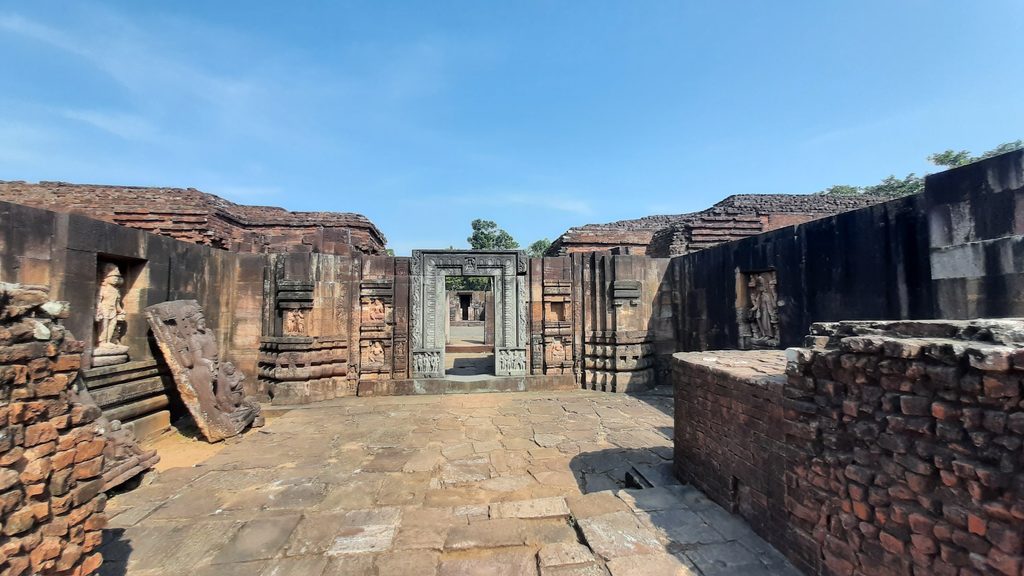
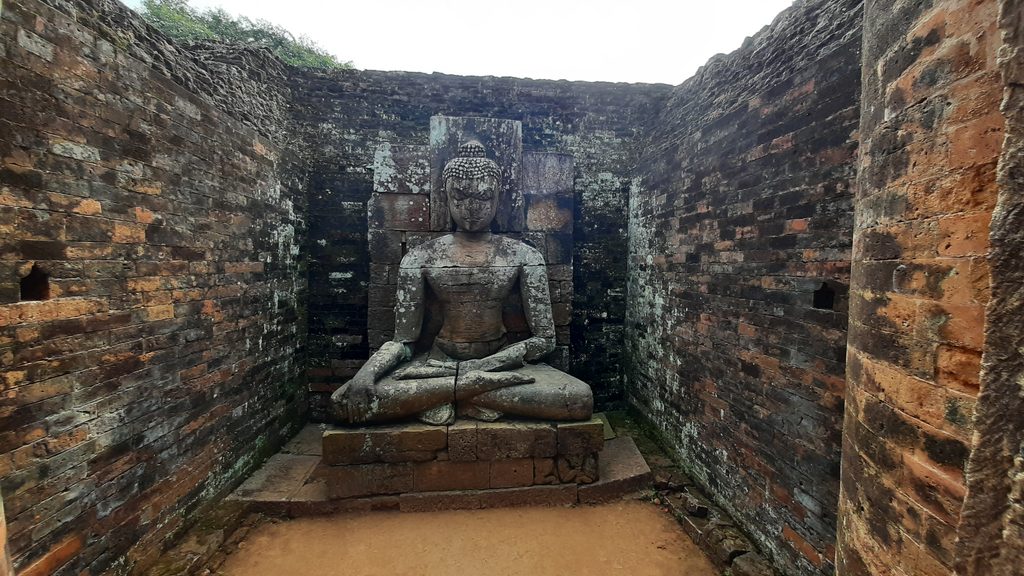
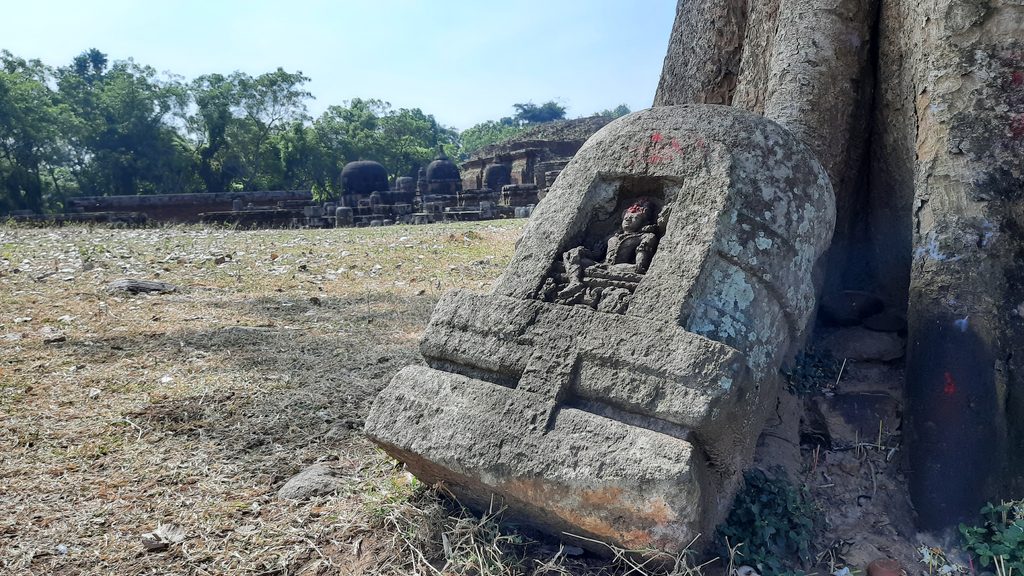
Tucked within the Indian state of Odisha lies an extraordinary heritage complex that once served as a vibrant intellectual and spiritual heart of ancient South Asia—a region truly deserving of the title ‘Buddhist Capital’ of India. Spanning the districts of Cuttack and Jajpur, this sacred landscape encompasses the famed ‘Diamond Triangle’—comprising the monastic centres of Ratnagiri, Udayagiri, and Lalitgiri—alongside the historic site of Langudi Hill. Together, these centres flourished across a magnificent 1,600-year span, from the 3rd century BCE through the 13th century CE.
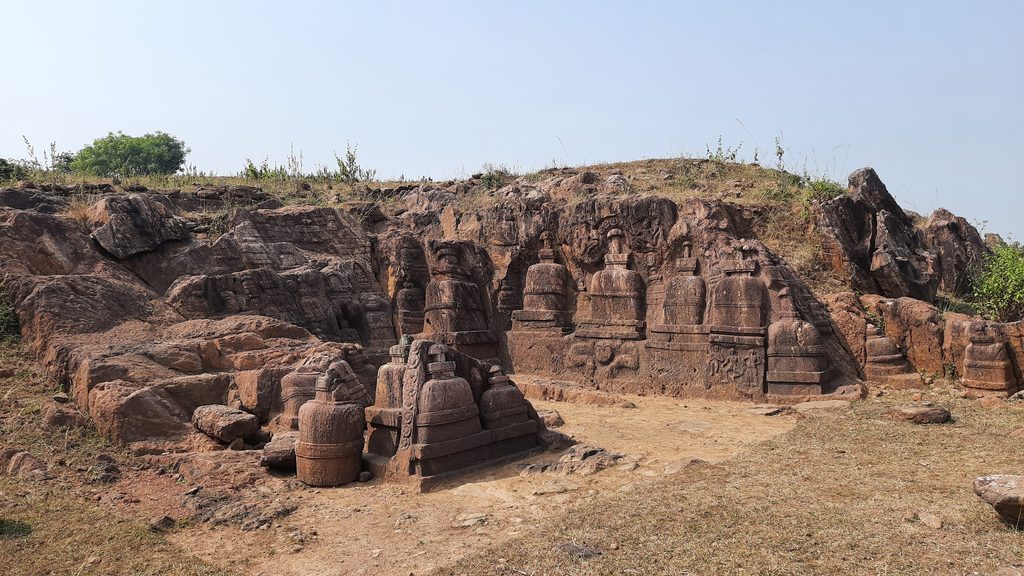
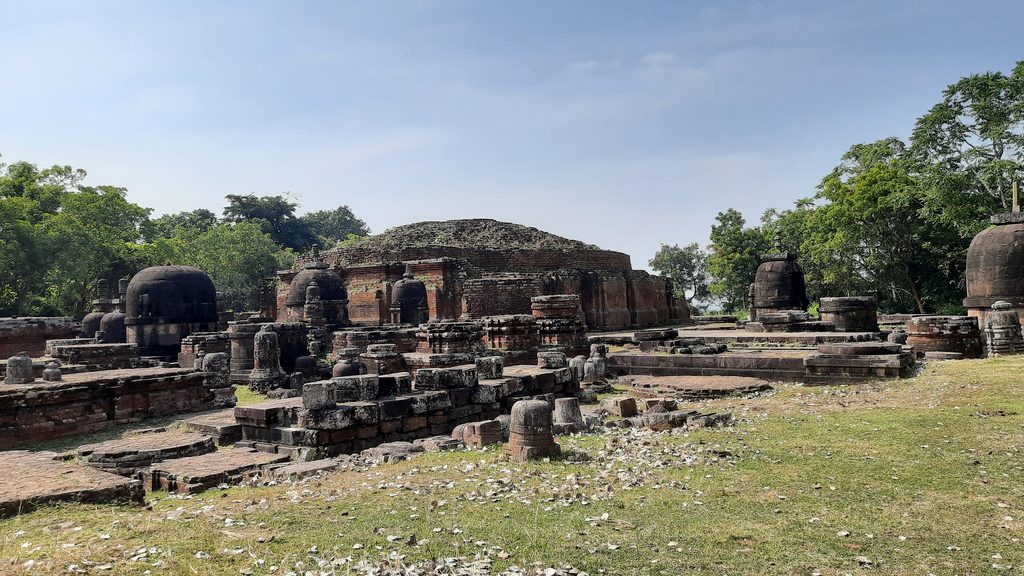
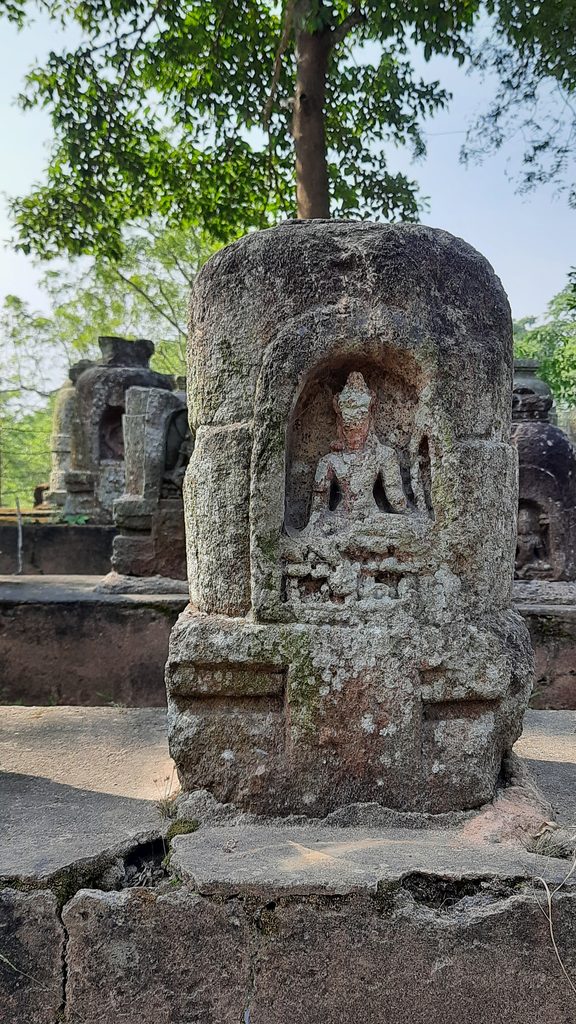
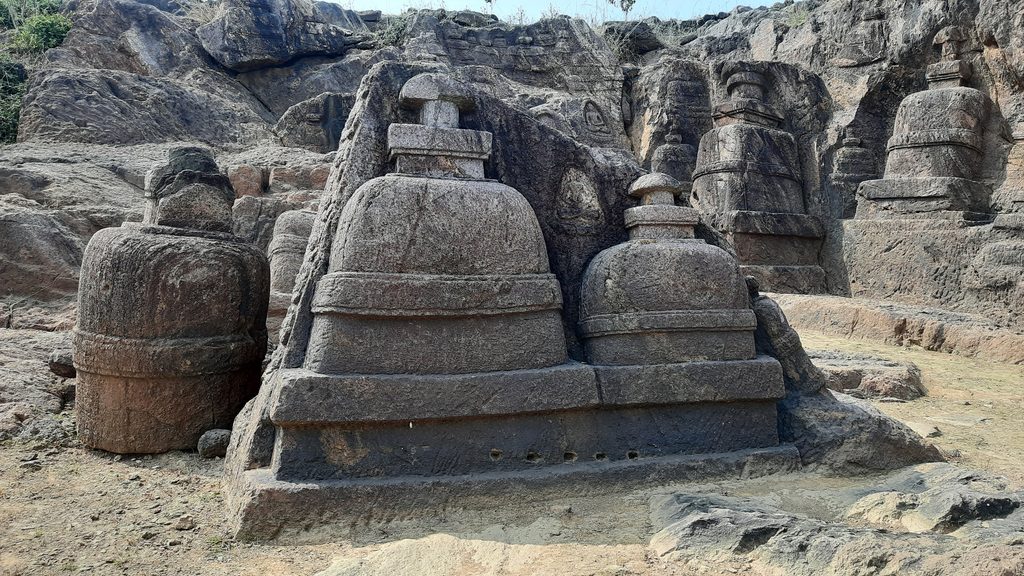
Currently listed on the UNESCO World Heritage Tentative List as the “Buddhist Triangle Sites of Odisha,” these interconnected monastic complexes chronicle the dynamic evolution of Buddhist philosophy: transitioning from early Theravada teachings to Mahayana doctrines, and ultimately into Vajrayana traditions. Integrated seamlessly into the surrounding hills and river valleys, this cultural landscape reflects a continuous tradition of spiritual, academic, and artistic brilliance that radiated across the broader Buddhist world. Langudi Hill itself has been a stage for Buddhist activity since the reign of the Mauryan Emperor Ashoka in the 3rd century BCE, and is widely identified as Pushpagiri Mahavihara—the renowned monastic centre documented in the 7th-century CE travelogues of Chinese pilgrim Xuanzang.
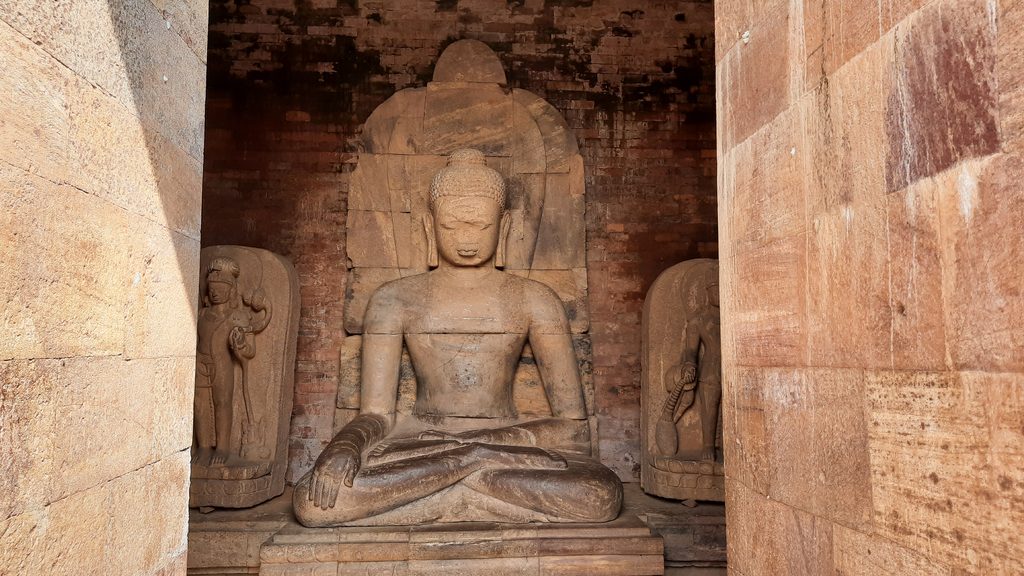
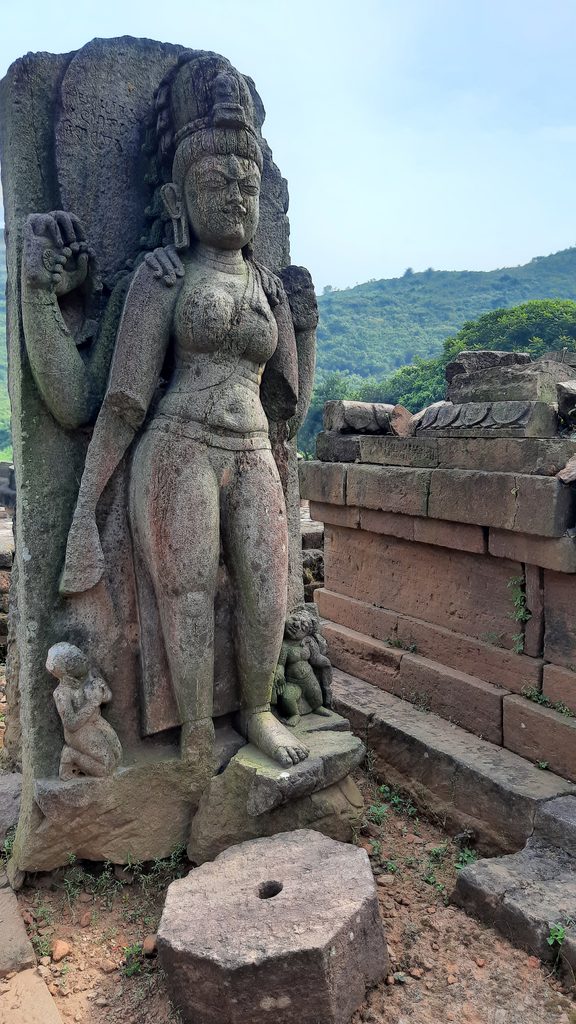
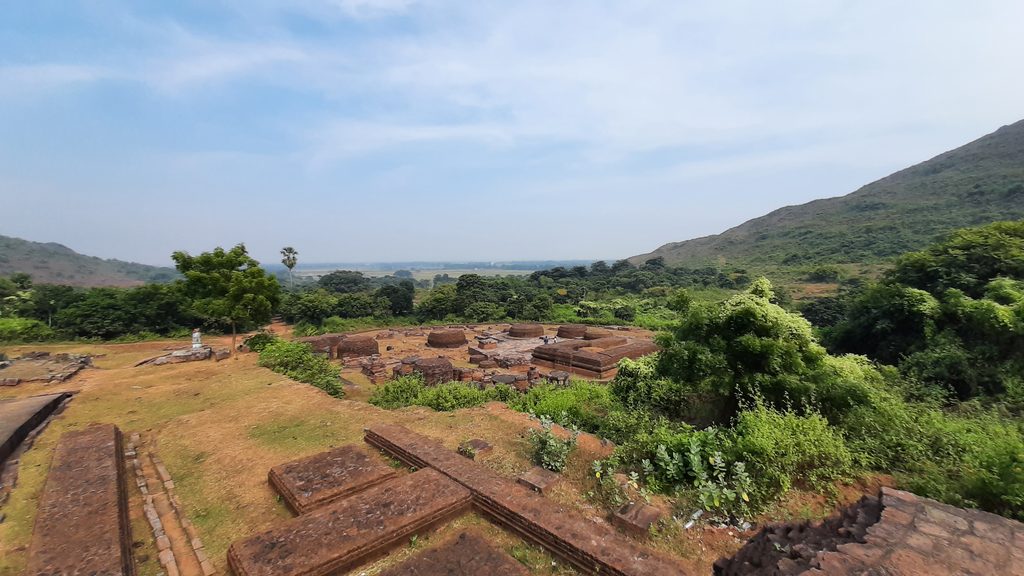
Adorned with monumental rock-cut sculptures and hundreds of votive stupas, these serene ruins continue to welcome scholars, seekers, and travellers from around the globe, unravelling one of South Asia’s most glorious yet largely overlooked historical chapters.
Follow SouthAsianDesk on X, Instagram and Facebook for insights on business and current affairs from across South Asia.
More by the Author: