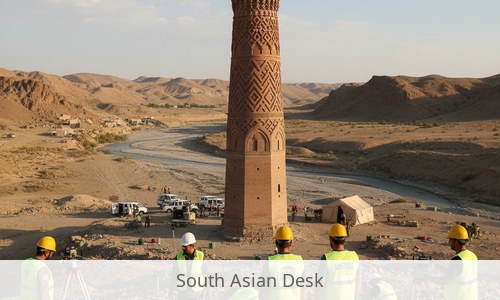
The preservation of cultural heritage is a critical focus as UNESCO and the Aga Khan Foundation expand their efforts to protect Afghanistan’s Jam Minaret, a 12th-century monument recognized as a UNESCO World Heritage site. On October 12, 2026, UNESCO and the Aga Khan Cultural Services announced expanded initiatives to safeguard the Minaret of Jam, addressing structural vulnerabilities and improving emergency response capabilities at the site. The Minaret of Jam, a significant example of medieval Islamic architecture, is considered one of Afghanistan’s most important historical monuments and a symbol of the country’s rich cultural legacy. Its preservation of cultural heritage is not only a matter of historical importance but also a vital step in ensuring the survival of Afghanistan’s identity amid ongoing geopolitical challenges.
preservation of cultural heritage: Preservation Efforts
The preservation project includes structural monitoring to assess the minaret’s stability, flood-risk reduction measures to mitigate damage from seasonal rains, and improved access for emergency response teams. These actions are critical given the site’s exposure to natural hazards and the challenges of maintaining heritage structures in conflict-affected regions. Local and international experts are collaborating to implement these measures, ensuring the site’s long-term survival. The Aga Khan Foundation initiatives have been instrumental in providing technical expertise and resources to support these preservation efforts, highlighting the importance of multi-stakeholder partnerships in safeguarding heritage sites. This work aligns with broader UNESCO efforts in Afghanistan to protect other heritage sites from similar threats, emphasizing the need for sustained international collaboration in heritage in conflict zones.
International Support
The initiative has received backing from ALIPH, a global coalition dedicated to protecting cultural heritage in conflict zones. ALIPH’s involvement underscores the international community’s recognition of the Minaret of Jam’s cultural and historical value. Collaborative efforts between UNESCO, the Aga Khan Foundation, and Afghan authorities highlight the importance of multi-stakeholder partnerships in safeguarding heritage sites. This support also reflects broader commitments to preserving cultural assets amid geopolitical and security challenges, including UNESCO efforts in Afghanistan to protect other heritage sites from similar threats. The Aga Khan Foundation initiatives further demonstrate how private and public entities can work together to address the complex needs of heritage preservation in unstable environments.
Cultural Significance
The Minaret of Jam holds profound significance for Afghanistan’s cultural identity and its potential to attract international tourism. Its preservation not only safeguards a vital piece of Islamic architectural history but also reinforces the country’s heritage as a crossroads of civilizations. For local communities, the site represents a tangible link to the past, while its protection could enhance regional tourism and economic opportunities. The project exemplifies a growing global emphasis on safeguarding heritage in conflict zones, balancing historical preservation with contemporary security and environmental challenges. The cultural significance of monuments like the Minaret of Jam underscores the need for sustained international collaboration to protect such irreplaceable treasures. This effort is part of a larger movement to ensure that the preservation of cultural heritage remains a priority, even in regions facing instability.
Challenges and Future Outlook
Preserving the Minaret of Jam requires addressing both immediate and long-term challenges. Structural vulnerabilities, environmental threats, and the risks posed by conflict zones all demand innovative solutions. The Aga Khan Foundation initiatives have already demonstrated the value of integrating modern technology with traditional preservation methods, such as using drones for structural monitoring and implementing flood barriers to protect the site. These strategies not only ensure the minaret’s survival but also set a precedent for similar projects worldwide. As UNESCO efforts in Afghanistan continue to evolve, the Minaret of Jam preservation project serves as a model for how international cooperation can overcome obstacles in heritage conservation.
Follow SouthAsianDesk on X, Instagram and Facebook for insights on business and current affairs from across South Asia.