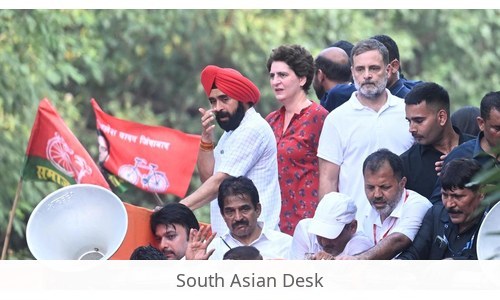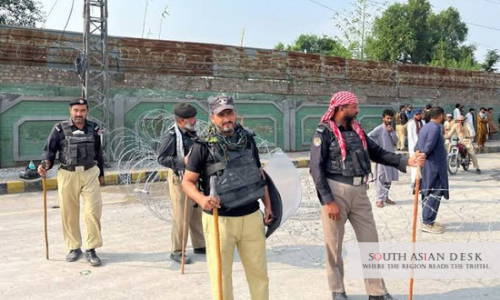
Pakistan’s emergency rule: On October 12, 2026, Khyber Pakhtunkhwa Chief Minister Sohail Afridi was detained along with several provincial cabinet members and hundreds of Pakistan Tehreek-e-Insaf (PTI) supporters as authorities declared emergency rule in the province. The move follows anti-government protests demanding the release of former Prime Minister Imran Khan, who remains a central figure in Pakistan’s political turmoil. The imposition of Pakistan’s emergency rule has raised concerns about the erosion of democratic processes and the deepening of Imran Khan’s political crisis.
Pakistan’s Emergency Rule: Political Implications of Emergency Rule
The imposition of Pakistan’s emergency rule in Khyber Pakhtunkhwa has triggered a shift in governance, with the federal government placing the province under the governor’s rule. This measure, reported by ESPNcricinfo, effectively suspends the provincial assembly’s authority, raising concerns about the erosion of democratic processes. Analysts note that the PTI, which holds a majority in the provincial assembly, faces significant challenges in maintaining its political influence under the new administration. The federal government’s decision to impose governor’s rule reflects a broader strategy to neutralize opposition and consolidate power, a move that has drawn criticism from political analysts and civil society groups.
The detentions of 278 PTI members, as per OnlineKhabar, reflect a broader crackdown on dissent. These arrests have intensified tensions between the federal government and Khan’s supporters, who view the emergency rule as a power grab. The situation underscores the deepening political crisis in Pakistan, with implications for regional stability in South Asia. The Khyber Pakhtunkhwa protests have further highlighted Pakistan’s governance issues, as the province’s political landscape becomes increasingly polarized. The suspension of the provincial assembly’s functions has also raised questions about the rule of law and the potential for prolonged instability in the region.
International Response to the Detentions
International bodies have expressed concern over the developments. Al Jazeera reported that the United Nations and regional partners have called for restraint and adherence to democratic principles. The European Union, through its South Asia envoy, emphasized the importance of protecting civil liberties and urged dialogue to resolve the standoff. The EU’s statements align with broader concerns about the erosion of democratic norms in Pakistan, particularly in the context of the ongoing political crisis.
Human rights organizations, including Amnesty International, have raised alarms about the potential misuse of emergency rule to suppress political opposition. Their statements highlight the need for independent oversight to ensure compliance with international standards. The detentions of PTI leaders have drawn particular scrutiny, with critics arguing that the emergency rule is being used to silence dissent and consolidate power. These concerns are amplified by the lack of transparency in the legal proceedings against the detained officials, which has further fueled public unrest.
Economic Conditions and Public Protests
The protests in Khyber Pakhtunkhwa are not solely driven by political grievances but also by economic discontent. Ariana News noted that widespread unemployment, rising inflation, and energy shortages have fueled public frustration with the government’s economic policies. Demonstrators have linked these hardships to the broader political instability, demanding accountability and reforms. The economic challenges have been exacerbated by the government’s focus on political maneuvering, which has diverted attention and resources from critical economic reforms.
Economic analysts warn that the crisis could further strain Pakistan’s already fragile economy, potentially deterring foreign investment and exacerbating debt challenges. The government’s handling of these issues remains a critical factor in determining the trajectory of the political and economic landscape. The Pakistan emergency rule has compounded these challenges, as resources are diverted to maintain security and suppress dissent. The situation highlights the interconnectedness of political and economic stability, with the former directly impacting the latter.
Regional and Global Implications
The imposition of emergency rule in Khyber Pakhtunkhwa has broader implications for regional stability and Pakistan’s international relations. Neighboring countries, including India and Afghanistan, have expressed concern over the potential for increased cross-border tensions. The crisis has also drawn attention from global institutions, which are monitoring the situation closely for signs of democratic backsliding. The federal government’s actions in Khyber Pakhtunkhwa could set a precedent for similar measures in other provinces, further complicating Pakistan’s political landscape.
The international community’s response underscores the importance of maintaining democratic institutions and the rule of law. As Pakistan navigates this period of political uncertainty, the role of regional and global actors in promoting stability and dialogue will be crucial. The situation also highlights the need for a comprehensive approach to addressing both political and economic challenges, ensuring that governance reforms are accompanied by tangible improvements in public welfare.
Follow SouthAsianDesk on X, Instagram and Facebook for insights on business and current affairs from across South Asia.
Sources
- Pakistan Detains PTI Leaders as Emergency Rule Escalates Standoff With Imran Khan – khaama.com
- 278 members of Imran Khan’s party arrested in Pakistan – english.onlinekhabar.com
- What do emergency and governor rule in Pakistan’s Khyber Pakhtunkhwa mean? – aljazeera.com
- Pakistan deploys military to Peshawar after emergency rule declared – ariananews.af
- President’s Trophy matches shifted out of Peshawar and Abbottabad – cricinfo.com
Image: p.imgci.com