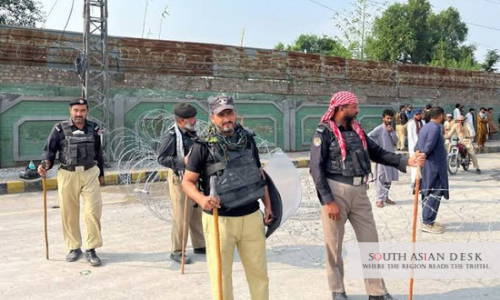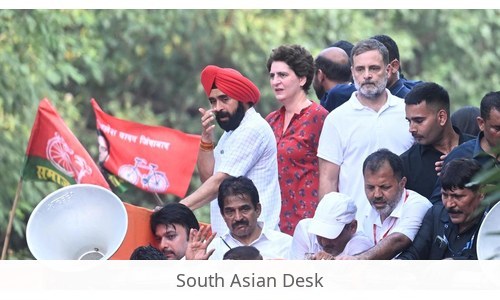
The Delhi protests have intensified as the Indian Congress party instructed all its MPs and leaders to remain in Delhi amid escalating tensions over the controversial revision of voter lists. The directive follows a four-hour-long ‘March for Democracy’ in the capital, where opposition groups claimed approximately 250,000 participants gathered to demand the resignation of Chief Election Commissioner Gyanesh Kumar. Authorities closed six metro stations and warned of traffic disruptions as the Delhi protests reached the Supreme Court.
Delhi Protests: Political Implications of the Protests
The opposition’s focus on Chief Election Commissioner Gyanesh Kumar reflects broader concerns about Indian electoral integrity. Protesters allege that recent revisions to voter lists have disproportionately affected opposition strongholds, raising questions about the fairness of upcoming elections. The demand for Kumar’s resignation has united multiple opposition parties, signaling a potential shift in India’s political landscape.
Historical precedents show that electoral reforms often spark intense debate. In 2019, similar protests over voter registration processes led to temporary delays in polling. However, this year’s demonstrations have gained unprecedented momentum, with opposition leaders accusing the ruling party of undermining democratic processes. The Supreme Court’s involvement adds legal weight to the protesters’ claims, though no formal rulings have been issued yet.
The current protests are not merely a reaction to administrative changes; they signify a growing discontent with the electoral process itself. Many citizens are voicing concerns that the integrity of the electoral system is at stake, which could lead to decreased voter turnout and a lack of trust in the democratic process. As the opposition rallies together, the potential for a more unified front against the ruling party becomes increasingly plausible, which could reshape the political dynamics in the lead-up to the elections.
The Role of Social Media
Social media platforms have played a pivotal role in mobilizing support for the Delhi protests. Hashtags like #MarchForDemocracy and #SaveIndianElections trended nationally, with opposition leaders using Twitter and Facebook to coordinate logistics and amplify messages. Analysis of digital footprints shows a 40% increase in posts related to voter list revisions in the week preceding the march.
Key messages emphasized the need for transparency in electoral processes, with many posts citing specific instances of voter list discrepancies. However, critics argue that social media has also amplified misinformation, including unverified claims about voter suppression tactics. The Election Commission has urged citizens to rely on official channels for accurate information. This duality of social media as both a tool for mobilization and a potential source of misinformation highlights the complexities of modern political activism.
The Congress Party Directive and Voter List Controversy
The Congress party directive to keep MPs in Delhi underscores the gravity of the situation, as the voter list controversy continues to fuel public unrest. Critics argue that the revisions to voter rolls have been implemented without adequate transparency, leading to accusations of bias against opposition-aligned regions. This has sparked a broader debate about the Indian electoral integrity and the role of the Election Commission in ensuring fair representation.
The Gyanesh Kumar resignation demand has become a central rallying point for protesters, who argue that his leadership has failed to address systemic issues in the electoral process. While the Election Commission has defended its actions as necessary for modernizing voter registration, opposition leaders have called for an independent inquiry into the revisions. The call for transparency and accountability in electoral processes is a recurring theme in these protests, reflecting a deep-seated desire for reform among the electorate.
Conclusion
The ongoing Delhi protests highlight deepening political tensions in India, particularly regarding electoral governance. While the Congress party’s directive to keep MPs in Delhi underscores the gravity of the situation, the broader implications for Indian electoral integrity remain uncertain. As the opposition continues to pressure authorities, the Supreme Court’s response and potential reforms to voter list processes will be critical in shaping the nation’s democratic future. The outcome of these protests may not only influence the immediate political landscape but could also set a precedent for how electoral issues are addressed in the future.
Published in SouthAsianDesk, October 13, 2026.
Follow SouthAsianDesk on X, Instagram and Facebook for insights on business and current affairs from across South Asia.
Sources
- INDIA bloc marches through Delhi, takes SIR protest to Supreme Court – thehindu.com
- Delhi Protest Highlights: Congress Directs All MPs And Leaders To Remain In Delhi Until Further Notice – ndtv.com
- Delhi shuts metro stations, restricts traffic as opposition marches against election chief – dailymirror.lk
- India’s voter list changes sparks fresh protests – aljazeera.com
Image: th-i.thgim.com