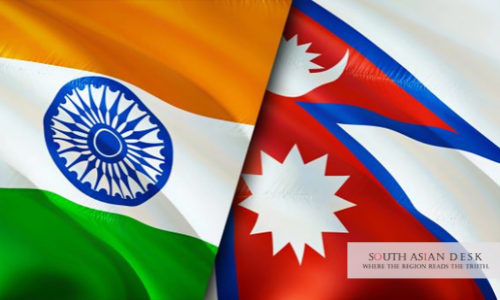
Nepal electricity exports to India have recovered strongly, reaching about 5.92 billion Nepalese rupees, or roughly $39 million, between mid-September and mid-October, according to officials of the Nepal Electricity Authority (NEA). The figures, reported by Nepalese media and carried by PTI on Sunday, show that sales resumed their upward path within weeks of the August flash floods that damaged several hydropower plants.
What the NEA Reported
Nepal Electricity Authority Executive Director Dirghayu Kumar Shrestha said exports recovered during the period after being briefly disrupted by the floods, as quoted by The Himalayan Times. Reports based on the authority’s Load Dispatch Centre said Nepal sold more than 633.98 million units of electricity to India during the Nepali month of Ashoj, which runs from mid-September to mid-October. A unit of electricity is a kilowatt-hour.
Revenue from the sales was about Rs 962 million higher than in the same month last year, when earnings were Rs 4.963 billion, the reports said. Nearly two-thirds of the supply to India was exported under bilateral agreements, and the remainder was sold through the Indian Energy Exchange.
By simple division, the figures imply an average price of a little over Rs 9 per unit, though that is a calculation and not an official figure.
How Nepal Electricity Exports to India Withstood the Floods
The disruption was severe. An ice-rock avalanche in the high Himalayas near the Nepal-Tibet border on 26 August triggered flash floods that devastated towns and villages in northern and central Nepal. Around 1,400 people were killed, and more than 5,000 remain missing, according to PTI. Homes, vehicles, roads, bridges and hydropower plants were damaged.
The floods in the Bhotekoshi and Trishuli river valleys damaged about a dozen hydropower projects, according to the NEA figures cited by Xinhua. Even so, the authority said that in the month from mid-August to mid-September it still exported 565.6 million units and earned over Rs 5.09 billion ($33.11 million), and that this was higher than in the same month a year earlier. Mr Shrestha said production at some projects had halted, but Nepal maintained exports using other operating plants.
Bangladesh Supply Resumes
Another milestone came on Friday, when Nepal resumed exporting 40 megawatts of electricity to Bangladesh through India’s transmission network. That supply had been suspended after the Bhotekoshi floods damaged the Trishuli and Chilime hydropower plants, which were the plants designated to supply Bangladesh.
The arrangement is notable because Nepal has no direct transmission link with Bangladesh, so the power must cross Indian territory. It is part of a wider regional effort to turn Nepal’s seasonal hydropower surplus into export income. Mr Shrestha described the resumption of exports to Bangladesh and the expansion of capacity to India as important developments for Nepal’s electricity trade.
A Fast-Growing Export Business
Nepal generates more power than it needs domestically, particularly in the monsoon months, when rivers swell. According to the NEA figures reported by Xinhua, the country earned Rs 29.32 billion ($190.7 million) from electricity exports to India and Bangladesh in fiscal year 2025-26, a rise of 68 per cent from the previous year.
The sector is important to the national economy, because hydropower offers one of the few ways for Nepal to earn foreign currency from a natural resource. Revenue has grown as India has increased the amount of Nepali power it is permitted to import and as more projects have been connected to the grid.
Limits and Risks
The recovery does not mean the damage has been repaired. The reports do not say how many of the flood-damaged projects have restarted or how much repair will cost, and the NEA has not given a timeline for restoring all affected capacity. Exports are also seasonal, with surpluses shrinking in the dry winter, when Nepal has historically needed to import power from India.
Climate risks are a further concern. Glacial and avalanche-triggered floods are a growing hazard in the Himalayas, and plants built along steep river valleys are exposed to them. Developers and the authorities face a difficult trade-off between expanding hydropower and protecting infrastructure and communities.
Outlook
For the coming months, the key tests will be whether repaired plants return to service, whether Bangladesh deliveries can be sustained, and how winter shortages are managed. The latest figures suggest that Nepal electricity exports to India have proved more resilient than the scale of the August disaster might have implied, supported by plants that escaped the flooding and by established trade channels. How far the recovery continues will depend on the pace of reconstruction in the damaged river valleys.
Follow SouthAsianDesk on X, Instagram and Facebook for insights on business and current affairs from across South Asia.