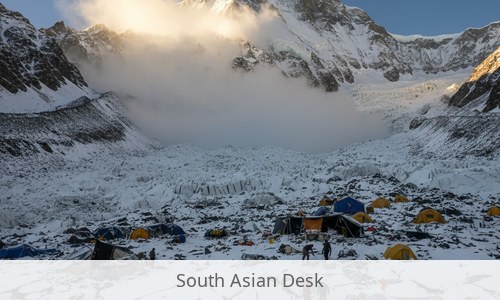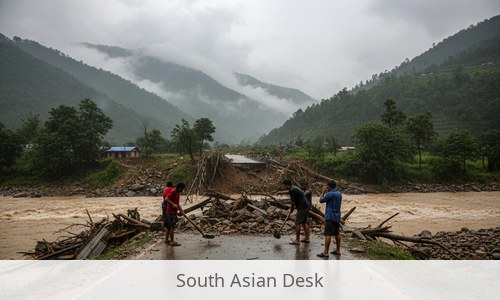
Nepal floods and landslides triggered by heavy rainfall on September 28, 2026, have caused widespread devastation across the region. Al Jazeera reported that the deluge led to deadly floods and landslides, while NDTV confirmed an avalanche struck the base camp of the Himlung Himal peak, killing four individuals. Ariana News noted 14 deaths in Nepal and 56 in India from the cascading disasters, underscoring the severity of the crisis. The events have highlighted the urgent need for improved disaster preparedness Nepal, as the region grapples with the escalating risks posed by climate change impact and extreme weather patterns.
Nepal floods and landslides: Government Response
The dossier does not provide specific details on the Nepalese government’s immediate response to the disasters or its preparedness mechanisms. Official statements or actions taken by authorities following the events remain unreported in the available sources. This gap highlights the need for further verification from independent channels to assess the effectiveness of disaster preparedness Nepal protocols in the region. In the absence of clear government action, humanitarian aid Nepal efforts have been coordinated through regional networks, though specific details on bilateral assistance remain unconfirmed. The crisis underscores the importance of transparent communication and rapid mobilization in disaster scenarios, particularly in areas prone to South Asia weather disasters.
Impact of Climate Change
The recent floods and landslides underscore the growing vulnerability of South Asia to extreme weather events, a trend increasingly linked to climate change impact. The dossier’s background notes that such disasters are becoming more frequent and severe, necessitating regional cooperation to address their escalating impact. Climate models suggest that rising temperatures and shifting monsoon patterns are exacerbating the risk of flooding and landslides across the Himalayan region, aligning with broader South Asia weather disasters trends. The Himlung Himal avalanche, which claimed four lives, further illustrates the unpredictable nature of these weather-related disasters, compounding the challenges faced by communities in the region.
Regional Implications
The disasters have raised concerns about cross-border coordination, particularly with India, where 56 fatalities were reported. Humanitarian aid Nepal efforts are being coordinated through regional networks, though specific details on bilateral assistance remain unconfirmed. The crisis highlights the interconnectedness of South Asian ecosystems and the importance of shared disaster response frameworks. The avalanche on the Himlung Himal peak, which occurred in the Nar Phu area of Nepal’s Manang district, serves as a stark reminder of the region’s susceptibility to cascading natural disasters. With climate change impact intensifying, the need for collaborative strategies to mitigate risks and enhance resilience has never been more critical.
Humanitarian and Environmental Challenges
The Nepal floods and landslides have not only caused immediate loss of life but also disrupted critical infrastructure, including roads, bridges, and communication networks. In the affected districts, such as Sankhuwasabha, where two individuals—Chhebi Bhote and Pasang Bhote—perished in the avalanche, communities are struggling to recover from the dual threats of flooding and landslides. The scale of destruction has prompted calls for increased investment in disaster preparedness Nepal, including early warning systems, community education, and infrastructure reinforcement. Additionally, the environmental toll of these events, including soil erosion and habitat degradation, further complicates recovery efforts and underscores the long-term consequences of climate change impact.
Looking Ahead
As the region continues to recover from the Nepal floods and landslides, the focus must shift toward building resilience against future disasters. This includes strengthening regional partnerships, enhancing climate change impact mitigation strategies, and ensuring that humanitarian aid Nepal reaches those in need swiftly and effectively. The events of September 28, 2026, serve as a sobering reminder of the fragility of ecosystems in South Asia and the urgent need for coordinated action to safeguard vulnerable populations.
Follow SouthAsianDesk on X, Instagram and Facebook for insights on business and current affairs from across South Asia.
Sources
- Nepal hit by deadly floods, landslides, and avalanche – aljazeera.com
- Video Emerges From Snow-Covered Nepal Peak Where 4 Died In Avalanche – ndtv.com
- Two from Sankhuwasabha killed in avalanche on Himlung Himal – english.onlinekhabar.com
- Floods, landslides kill 56 in India and 14 in Nepal – ariananews.af