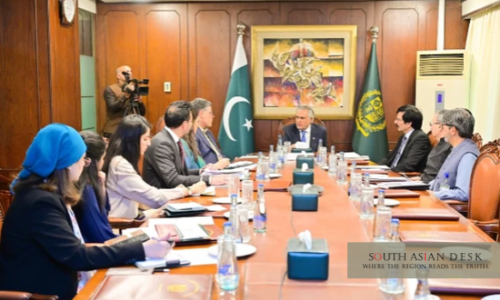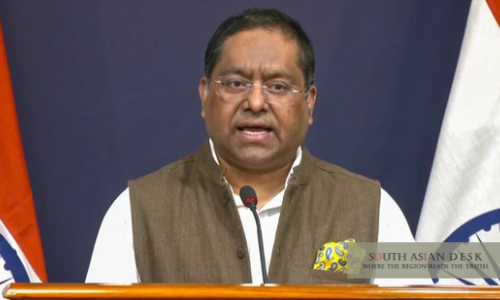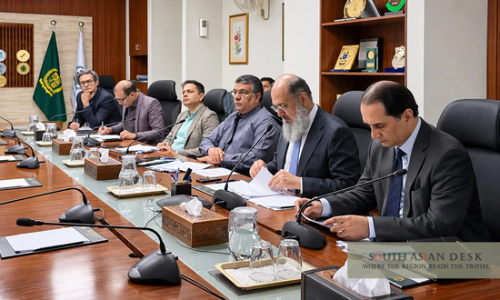
Trade cooperation with Ethiopia is set to deepen after Federal Minister for Commerce Jam Kamal Khan and Ethiopia’s Minister of Trade and Regional Integration, Yasmin Wohabrebbi, held a high-level virtual meeting on Friday. The two ministers discussed strengthening bilateral trade, Ethiopia’s accession to the World Trade Organization (WTO) and the early resolution of outstanding market-access and pharmaceutical regulatory issues, according to a statement released on Saturday.
What the Ministers Agreed on Trade Cooperation with Ethiopia
Jam Kamal Khan reaffirmed Pakistan’s commitment to stronger economic relations with Ethiopia, describing it as an important gateway to East African markets. Recalling his earlier visit to the country with a Pakistani business delegation, he praised Ethiopia’s economic progress and pointed to opportunities in manufacturing, pharmaceuticals, agriculture, textiles and investment.
The minister stressed the need to turn diplomatic goodwill into tangible commercial outcomes. He also highlighted Pakistan’s efforts to facilitate direct air connectivity with Ethiopia, which could make it easier for traders and investors to travel between the two countries.
Ethiopia’s WTO Accession and Pakistan’s Role
A central part of the discussion was Ethiopia’s WTO accession, which requires the country to conclude bilateral market-access negotiations with interested WTO members. Wohabrebbi thanked Pakistan for its constructive engagement and briefed the meeting on progress, saying that 11 of 17 bilateral market-access agreements had been concluded. She asked for Pakistan’s cooperation in facilitating the rest of the process and said Ethiopia would address Pakistan’s legitimate trade interests through continued consultations.
Jam Kamal Khan called for the early resolution of outstanding issues in the market-access negotiations. The statement did not specify which of the remaining agreements involve Pakistan or give a timeline for completing them.
Pending Pharmaceutical Registration Issues
The second major topic was pharmaceutical registration, an area where Pakistani exporters have been waiting for regulatory approvals in Ethiopia. Secretary Commerce Jawad Paul emphasised the importance of sustained technical-level coordination between the institutions concerned so that pending registration matters can be resolved, market access can be facilitated and agreed priorities can make practical progress.
He also underlined the need for regular follow-up to remove regulatory bottlenecks and encouraged greater private-sector engagement. The emphasis on follow-up suggests that both governments see delays in routine approvals, rather than the absence of political will, as the main obstacle to trade in medicines.
Background: Earlier Talks in Islamabad
Friday’s meeting builds on discussions held in October, when Jam Kamal Khan met Ethiopian Ambassador Dr Oumer Hussein Oba in Islamabad. At that meeting the minister called for expediting regulatory approvals for Pakistani pharmaceutical companies seeking access to the Ethiopian market, and stressed that timely approvals and transparent procedures were essential to building exporters’ confidence.
According to Business Recorder’s report at the time, the ambassador said he had taken up the pending pharmaceutical registration issues with the relevant Ethiopian health authorities and had received positive assurances about early resolution. Jawad Paul had also stressed the importance of expediting a proposed visit by an Ethiopian technical team to Pakistan to inspect and evaluate pharmaceutical companies. The two sides also discussed a proposed visa waiver agreement for diplomatic and official passport holders. The commerce minister has also been courting international partners on the domestic front, including mining companies, ahead of the Pakistan Minerals Investment Forum.
The Joint Economic Committee and the Road to February 2027
The ministers also discussed strengthening institutional cooperation, including convening the Joint Economic Committee, the bilateral forum for reviewing economic and trade relations. They agreed to work on a practical roadmap to expand trade and investment between the two countries.
Both sides expressed their intention to pursue the outstanding matters ahead of their proposed bilateral engagement in February 2027. Concluding the meeting, Jam Kamal Khan said timely decisions and concrete actions would help unlock the considerable trade potential between Pakistan and Ethiopia.
What Comes Next
The coming months will show whether the political commitments translate into results. Concluding the remaining market-access agreements, completing technical inspections and clearing pharmaceutical registrations are all measurable steps that could be checked when the ministers meet again in February 2027. The statement provided no trade figures, so the scale of the opportunity remains difficult to gauge, but the focus on practical follow-up reflects a shift from general goodwill towards specific deliverables for exporters in Pakistan.
Follow SouthAsianDesk on X, Instagram and Facebook for insights on business and current affairs from across South Asia.