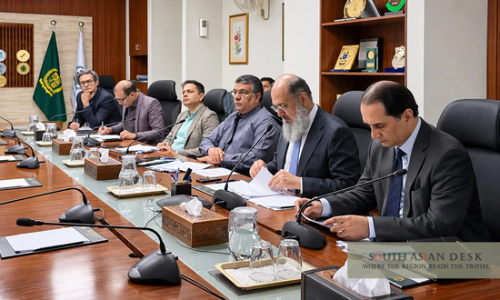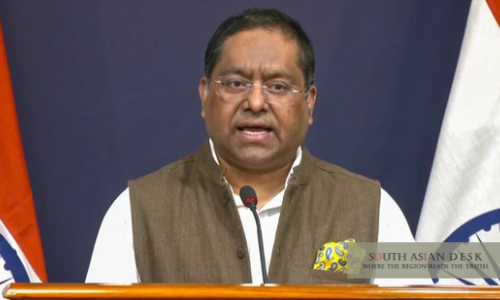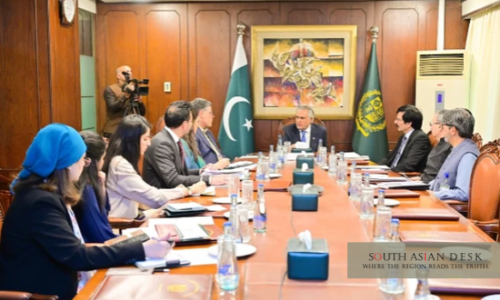
Pakistan is seeking to strengthen regional connectivity and expand economic cooperation among neighbouring countries as Islamabad prepares to host the 30th Meeting of the Economic Cooperation Organization (ECO) Council of Ministers on November 15-16, 2026. The meeting is expected to provide an important platform for regional leaders to discuss trade opportunities, transport infrastructure and closer economic integration.
According to a statement issued by the Foreign Office on November 14, the meeting will be chaired by Deputy Prime Minister and Foreign Minister Senator Mohammad Ishaq Dar. Foreign ministers and heads of delegations from ECO member states are expected to attend, alongside representatives of the ECO Secretariat and its subsidiary bodies.
The ministerial gathering will be preceded by a Meeting of Senior Officials (SOM), during which representatives will review the organization’s ongoing activities and programmes, assess the performance of its subsidiary bodies and finalise the agenda and draft outcome documents for consideration by ministers.
Regional Connectivity at the Centre of Pakistan’s ECO Chairmanship
Pakistan, which holds the ECO chairmanship for 2026-2027, intends to advance the organization’s objectives under the theme “Reviving Regionalism for a Resilient ECO”.
The country’s chairmanship will prioritise strengthening regional connectivity, deepening economic integration and developing stronger partnerships among member states. It will also focus on collective efforts to promote economic prosperity, sustainable development and greater regional resilience.
The Foreign Office stated that Pakistan’s leadership of the organisation presents an opportunity to reinvigorate the ECO as an effective platform for regional cooperation, diplomatic dialogue and economic collaboration.
Pakistan also aims to establish itself as a regional connectivity hub by facilitating logistics and supply chains while playing a greater role in shaping regional trade priorities. Its geographical position, which connects South Asia with Central Asia and provides access to the Arabian Sea, offers opportunities to improve the movement of goods and strengthen commercial links between member countries.
The government hopes these initiatives will help unlock the region’s economic potential and translate regional cooperation into tangible economic and social benefits for populations across ECO member states.
Strengthening Trade and Transport Links Across the Region
Improving regional connectivity remains an important component of Pakistan’s broader economic strategy, particularly in expanding trade relations with Central Asian countries and strengthening access to international markets.
Landlocked Central Asian economies rely on effective transit arrangements to reach international shipping routes and maritime markets. Pakistan’s ports and existing transport infrastructure could provide additional trade opportunities by connecting these countries with the Arabian Sea.
However, achieving this objective will require sustained investment in road and railway networks, efficient customs procedures and stronger coordination between participating governments. Improved border management and streamlined transit arrangements would also help reduce transportation delays and make cross-border trade more competitive.
Pakistan has previously highlighted the importance of developing integrated transport corridors connecting Central Asia with regional ports. During the 29th ECO Council of Ministers meeting in November 2025, Deputy Prime Minister Ishaq Dar emphasised the need to strengthen multimodal transport networks and improve cooperation on customs and transit procedures.
The Islamabad-Tehran-Istanbul railway corridor and proposed railway links connecting Uzbekistan with Pakistan through Afghanistan have also featured in discussions about improving regional transport infrastructure.
These initiatives reflect the wider objective of transforming geographical proximity into practical economic opportunities through improved trade routes and more efficient transportation systems.
ECO Cooperation and the Potential for Greater Economic Integration
The Economic Cooperation Organization provides a framework for countries across South and Central Asia and the Middle East to coordinate their economic priorities and pursue shared development objectives.
Greater economic integration could create opportunities to expand bilateral and multilateral trade, encourage investment and strengthen cooperation in sectors such as energy, transportation and infrastructure.
For Pakistan, closer engagement with ECO member states could help diversify trade partnerships and improve access to emerging regional markets. Stronger commercial relationships could also support private-sector investment and create opportunities for businesses operating across member countries.
Nevertheless, achieving meaningful economic integration will require more than diplomatic commitments. Differences in trade regulations, customs procedures and infrastructure capacity continue to present challenges to cross-border commerce. Political tensions and regional security concerns can also affect the movement of goods and the implementation of long-term infrastructure projects.
Addressing these challenges through coordinated policies and sustained institutional cooperation will be essential to achieving the organization’s wider objectives.
Islamabad Meeting Offers Opportunity to Advance Regional Cooperation
The upcoming ECO Council of Ministers meeting comes at a significant point in Pakistan’s regional engagement, with the government seeking to strengthen economic partnerships and establish a more prominent role in regional trade and transit networks.
Pakistan’s 2026-2027 chairmanship provides an opportunity to bring member states together around shared priorities, particularly transport connectivity, trade facilitation and sustainable economic development.
The discussions in Islamabad will also allow participating countries to review existing cooperation mechanisms and identify areas where further coordination could produce practical results.
Ultimately, the success of Pakistan’s ECO chairmanship will depend on the implementation of commitments made by member states. Improved transport infrastructure, more efficient trade procedures and stronger economic partnerships could help establish more reliable regional supply chains and expand commercial opportunities.
As Pakistan prepares to host the ministerial gathering, its emphasis on regional connectivity reflects a broader ambition to strengthen economic ties across the ECO region. Turning this ambition into measurable progress will require continued cooperation, effective policymaking and a long-term commitment to regional integration.
Follow SouthAsianDesk on X, Instagram and Facebook for insights on business and current affairs from across South Asia.
Read More: https://southasiandesk.com/sco-heads-of-government-meeting-dushanbe/