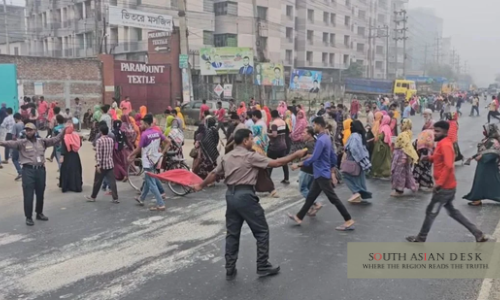
Factories reopen in Gazipur’s industrial belt on Wednesday morning, as production resumed across much of the district following a daylong protest by workers on Tuesday. Police said garment workers entered their workplaces peacefully and that no untoward incidents had been reported since the morning.
Workers were seen joining their shifts at factories in Bhogra Bypass, Naojor, Konabari, Kashimpur, Chandra, Palli Bidyut Road, Bhabanipur, Memberbari, Notun Bazar and Tongi, areas that form the core of the district’s manufacturing activity.
Why Factories Reopen in Gazipur After a Day of Unrest
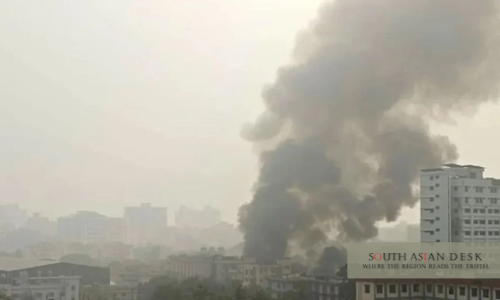
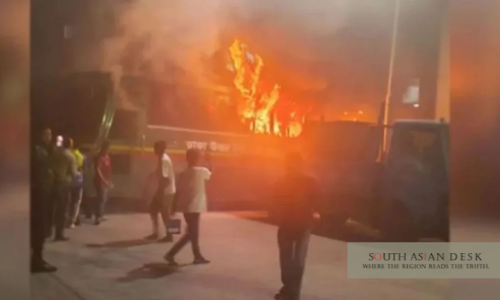
On Tuesday, garment workers took to the streets demanding a minimum wage and blocked highways, bringing normal activity in parts of the district to a halt. Clashes broke out between workers and police in the Bhogra Bypass area and in the No 2 C&B and Aspada areas of Sreepur.
The confrontations involved brick-throwing, tear gas and sound grenades, and several police personnel, workers and journalists were injured. In the face of the disruption, around 70 per cent of garment factories sent their workers home early on Tuesday, while 70 factories declared holidays to prevent further unrest.
By Wednesday, the situation had changed considerably. Mohammad Amzad Hossain, superintendent of Gazipur Industrial Police, said production had resumed at many of the factories that were closed on Tuesday. He said workers had entered the premises peacefully and had joined production without any incident, adding that the situation had remained calm since the early hours of the morning.
The resumption of work in Gazipur was also mirrored elsewhere in the greater Dhaka industrial region. Separate reports indicated that garment factories in Savar and Ashulia had returned to normal operations, although another report noted that two garment factories in Gazipur had been shut indefinitely amid labour unrest.
The Minimum Wage Question Behind the Protests
The demand for a higher minimum wage has been at the centre of labour unrest in Gazipur in recent weeks. During earlier protests, garment workers demanded that the monthly minimum wage be raised from Tk 12,500 to Tk 30,000. In response, the government formed a six-member minimum wage board on 1 November, which held its first meeting days later. Reports at that time said the revised wage structure was expected to take effect in December, with workers receiving their first salaries under it in January 2027.
Earlier rounds of unrest saw highway blockades, clashes with police, vandalism and arson in several industrial areas of Gazipur, which prompted many factories to declare holidays. Workers returned to their jobs in early November after the wage board was announced, and labour leaders and local officials urged them to help restore normalcy. The renewed protest on Tuesday showed that the issue remains unresolved for many of those employed in the sector.
Economic Weight of the Gazipur Industrial Belt
Gazipur is among the country’s most important industrial districts, home to a large concentration of garment factories that employ hundreds of thousands of people. The readymade garment sector is the backbone of Bangladesh’s export earnings, which means that even a single day of lost production can disrupt supply schedules and put pressure on factory owners working to meet buyers’ deadlines.
For workers, the risks of prolonged disruption are equally significant. Daily and monthly wages depend on regular attendance, and extended closures can leave families with reduced income at a time when living costs remain a concern. This is one reason that labour organisations and local administrators have repeatedly called for demands to be pursued through dialogue rather than street confrontation.
Security Remains in Place
Law enforcement agencies are expected to remain on alert in the district’s key industrial areas in the coming days. The Gazipur Industrial Police has said it will continue to monitor the situation closely, and officials are hopeful that the return to normal operations will hold.
The coming days will show whether the resumption of work is lasting, and whether the wage board process can address the concerns that brought thousands of garment workers onto the streets on Tuesday.
Follow SouthAsianDesk on X, Instagram and Facebook for insights on business and current affairs from across South Asia.