The India inflation outlook carries fresh upside risks in the months ahead, with weather uncertainty, festive demand and global supply shocks all threatening to accelerate price growth, according to a Finance Ministry report released on Saturday. The ministry said retail inflation is likely to edge higher in the coming months even as the wider economy retains strong momentum.
Festive and Wedding Season Demand Adds Pressure
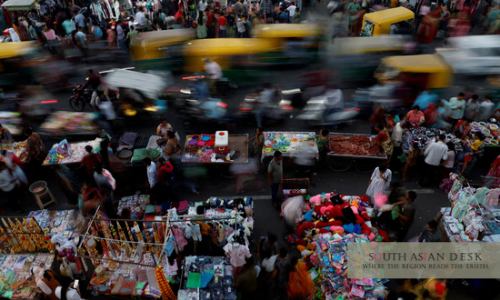
The assessment appears in the ministry’s Monthly Economic Review for November. The report noted that the festive season has continued into November and that the wedding season is now beginning, which is expected to lift demand across both food and non-food items. As a result, it said, upcoming inflation readings may face upside risks.
The warning follows a sharp move in October. Retail inflation breached the ceiling of the Reserve Bank of India’s inflation targeting framework for the first time in two years, coming in at 6.09 per cent. The increase was driven by a steep rise in food inflation and an unfavourable base effect. The review said the less favourable base may carry into the November figures as well.
Weather Uncertainty and the Risk of a Strong El Nino
Beyond seasonal demand, the report pointed to weather as a source of near-term pressure. It cited the possibility of a strong El Nino, a climate pattern associated with disruptions to rainfall, as one of the weather-related uncertainties that could keep prices elevated alongside the persistence of the base effect.
The agricultural backdrop is mixed. The review said fertiliser availability is comfortable, which bodes well for the rabi season. However, sowing for the crop is still at an early stage and reservoir storage is below last year’s level, leaving the outcome dependent on conditions in the coming weeks. Because food is a major component of consumer spending in India, such uncertainty carries particular weight for the India inflation outlook.
Global Supply Shocks and Some Relief From Crude Oil
The ministry also highlighted external risks. It identified continued conflict in the Middle East, threats to shipping through the Strait of Hormuz and global trade policy uncertainty as the key factors shaping the outlook. These could keep oil import bills and maritime freight rates volatile, and the report warned that such supply-side shocks may feed into wholesale and retail price indices in the months ahead.
There were, however, some more reassuring signals. Global crude oil benchmarks fell below $100 per barrel in early November, and the rupee has strengthened on the back of robust capital inflows. The ministry said these developments could help contain imported inflation, provided the momentum is sustained. The qualification is important, as both oil prices and currency movements remain sensitive to geopolitical events.
Growth Momentum Remains Firm
Despite the inflation warning, the Monthly Economic Review was largely upbeat about economic activity. It said domestic activity is expected to sustain its momentum into the December quarter of the current fiscal year, with high-frequency indicators pointing to continued expansion in goods movement, tax collections, energy consumption and freight.
In manufacturing, business activity is likely to remain firm, with new orders gaining pace and input cost pressures easing. Domestic demand should remain supportive, helped by sequential momentum in vehicle sales and continued strength in rural consumption. The report added that private investment is gradually broadening and that policy support for manufacturing should underpin growth.
The external sector is also expected to remain resilient. The ministry pointed to robust merchandise exports and a strong services trade surplus. Foreign exchange reserves stood at $705.3 billion as of November 13, equivalent to 10 months of imports, which provides an adequate buffer against external shocks.
What the Review Means for Policy and Households
Taken together, the review presents a picture of an economy that is growing steadily but facing a less comfortable price environment. The ministry expressed confidence that strong macroeconomic fundamentals and adequate buffers leave the country well placed to navigate the risks from the Middle East conflict, shipping disruptions and trade policy uncertainty.
For households, the immediate concern is the cost of food and other goods during the wedding season. For policymakers, the challenge is to monitor how weather patterns, crude oil prices and the rupee evolve, since each could tilt the India inflation outlook in either direction. The next monthly price data will show whether the pressures flagged by the ministry are beginning to take hold.
Follow SouthAsianDesk on X, Instagram and Facebook for insights on business and current affairs from across South Asia.
Read More: