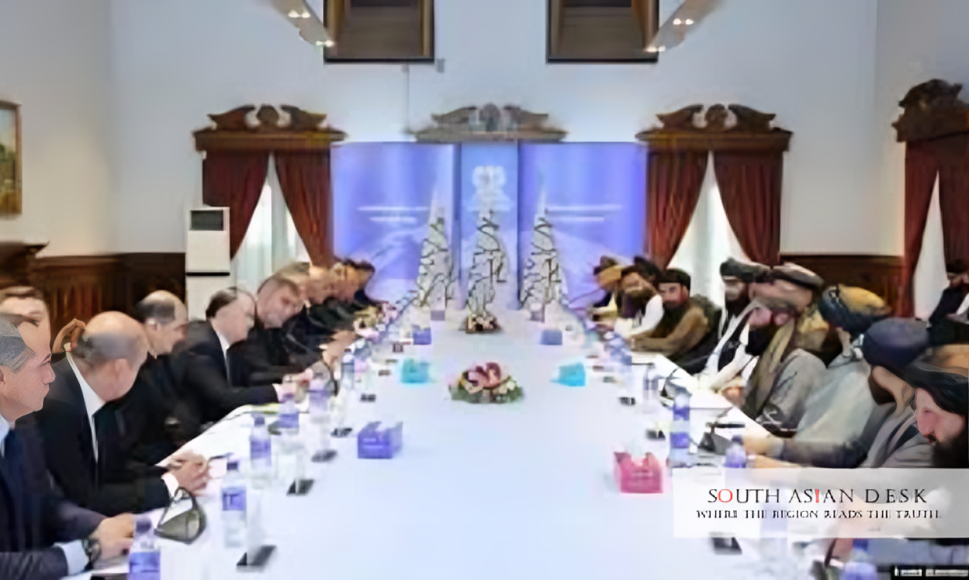
Afghanistan and Tajikistan advanced bilateral ties on Tuesday, December 2, 2025, through a telephonic pledge for enhanced border security. Foreign ministers Amir Khan Muttaqi and Sirojiddin Muhriddin discussed joint probes into recent cross-border incidents that killed five Chinese nationals. This step signals a thaw after years of strain.
Improved Afghanistan Tajikistan relations hold key implications for South Asia. Stable borders curb militancy spillovers into Pakistan and India. Energy pacts like CASA-1000 promise power flows to energy-starved neighbours. Broader cooperation fosters trade corridors, easing economic pressures amid regional volatility.
Taliban Tajikistan Cooperation Gains Momentum
Taliban Tajikistan cooperation took centre stage in the December 2 call. Muttaqi expressed regret over attacks originating from Afghan soil. He committed to coordinated border patrols and shared intelligence. “The Islamic Emirate stands ready to bolster border security, launch joint investigations, and pursue any coordination,” Muttaqi stated, per the Afghan foreign ministry release.
Muhriddin welcomed the overtures. Both sides stressed preserving recent trust-building efforts. The dialogue addressed five fatalities from November 25 to December 1, 2025. Tajik authorities attributed the strikes to Afghan-based militants targeting border posts in the Rasht Valley.
Afghan officials denied state involvement. They pointed to unnamed groups sowing discord. Kabul vowed to dismantle such networks. This exchange marks the latest in pragmatic engagements since 2024 electricity renewals.
Tajik President Emomali Rahmon convened security chiefs on December 1. He condemned the incursions and ordered fortified defences. Rahmon’s office highlighted risks to infrastructure projects. Chinese nationals died in assaults on a road link to the Wakhan Corridor.
Afghanistan Tajikistan Border Security Priorities
Afghanistan Tajikistan border security emerged as a focal point. The 1,357-kilometre frontier spans rugged terrain prone to smuggling and incursions. Recent violence prompted urgent measures. Muttaqi proposed bilateral mechanisms for real-time alerts.
Tajikistan reinforced patrols post-incidents. Dushanbe reported three attacks in one week. Afghan forces intercepted suspects near Ishkashim. Joint exercises could follow, building on 2025 anti-narcotics drills. The Taliban administration prioritises stability. Interior Minister Sirajuddin Haqqani oversees frontier units. Enhanced surveillance tech arrived via Russian aid in November 2025. Drones monitor crossings, reducing blind spots.
Regional actors watch closely. Pakistan shares concerns over porous lines. India eyes Wakhan for strategic access. Stabilised Afghanistan Tajikistan border security aids the Belt and Road Initiative. Incidents underscore vulnerabilities. Tajik media detailed explosive devices and gunfire. No Afghan casualties reported. Dushanbe expelled 10 suspects in prior months.
Economic Ties Afghanistan Tajikistan Deepen
Economic ties Afghanistan Tajikistan underpin diplomatic gains. Electricity imports form a cornerstone. In December 2024, Dushanbe extended supplies through 2025, generating USD 20 million annually for Tajikistan. Volumes reached 100 megawatts during peak demand.
The CASA-1000 project accelerates progress. Signed agreements in Dushanbe on May 16, 2025, fast-track transmission lines. Taliban delegates from Da Afghanistan Breshna Sherkat inked pacts with Tajik, Kazakh, and Pakistani ministers. The USD 1.2 billion venture channels 300 megawatts to Kabul from Kyrgyz-Tajik hydropower.
Construction resumes in Afghanistan’s northeast. Lines span 789 kilometres through Badakhshan. Completion targets 2027, per World Bank timelines. This bolsters Taliban Tajikistan cooperation on infrastructure. Trade volumes rose 15 per cent year-on-year to USD 150 million in 2025. Exports include Tajik cement and Afghan minerals. Border markets at Tem and Ishkashim thrive. A new transit accord eases duties on 50 commodities.
Investment flows tentatively. Tajik firms eye mining in Takhar. Afghan entrepreneurs import machinery. The Asian Development Bank funds bridge upgrades, costing USD 50 million. Challenges persist. Payment delays strained ties until mid-2025 settlements. Currency swaps mitigate dollar shortages. Both nations explore barter systems for grains and textiles.
Background: From Tension to Thaw
Afghanistan Tajikistan relations evolved amid historical frictions. Soviet-era borders sowed disputes. Post-2021, Dushanbe hosted opposition exiles, irking Kabul. Water-sharing rows over the Amu Darya flared in 2023.
Pragmatism prevailed. Electricity deals resumed in 2022, defying sanctions. UN-facilitated talks in 2024 addressed refugee returns. Over 50,000 Tajiks reside in Afghanistan. The Islamic Emirate seeks recognition via deeds. Foreign ministry logs 20 engagements with Dushanbe since January 2025. Cultural exchanges, including Nowruz festivals, soften edges.
Geopolitics influences dynamics. Russia bolsters Tajik bases against ISIS-K. China invests in rail links. Pakistan mediates on Durand Line parallels. Incidents like November’s underscore fragility. Yet, responses show maturity. No escalations followed condemnations.
What’s Next In Regional Engagement
Upcoming summits chart paths forward. A January 2026 quadrilateral forum includes Uzbekistan and Turkmenistan. Focus areas: energy grids and anti-terror pacts.
Border demarcation talks resume in Q1 2026. Technical teams map 200 kilometres. Funding from Shanghai Cooperation Organisation totals USD 30 million. Economic ties Afghanistan Tajikistan expand via digital trade platforms. E-commerce pilots launch in March 2026. Youth forums promote people-to-people links.
Sustained Taliban Tajikistan cooperation hinges on reciprocity. Dushanbe eyes de-listing from terror watchlists. Kabul pushes visa waivers for traders. Afghanistan Tajikistan border security upgrades demand resources. Donor conferences in Geneva allocate EUR 100 million. Implementation timelines span 18 months.
Progress in these realms could model Central-South Asian ties. Stable frontiers enable refugee repatriations and market access. Afghanistan Tajikistan relations now pivot towards mutual gains. Enduring pacts promise resilience against external shocks, anchoring a volatile neighbourhood.
Published in SouthAsianDesk, December 3rd, 2025
Follow SouthAsianDesk on X, Instagram, and Facebook for insights on business and current affairs from across South Asia.