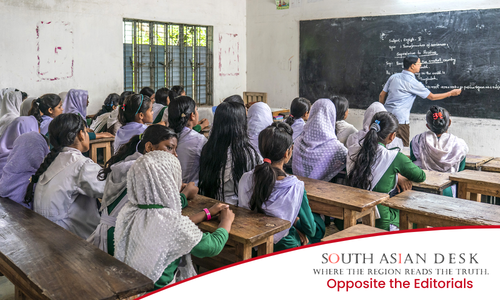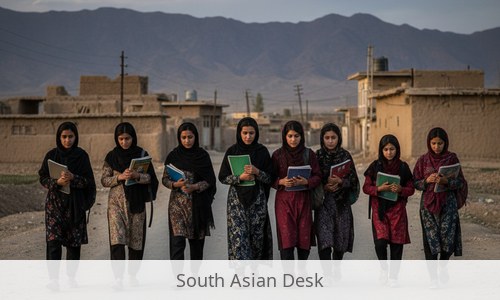
The Afghan girls education crisis has reached a critical juncture as Amnesty International highlights the systemic denial of education rights under Taliban rule. On the fifth anniversary of the Taliban education ban, the organization has called for coordinated global action to address this urgent issue, emphasizing the need for human rights education and global advocacy for education. Over 3.2 million Afghan girls remain out of secondary school, a figure corroborated by UNICEF data from 2025, underscoring the severity of the Afghan girls education crisis.
Afghan girls education crisis: The Impact of the Ban
Amnesty International’s reports reveal that the Taliban education ban, imposed in 2022, has severed access to formal education for girls aged 12–18. This has left millions of girls out of school Afghanistan, with families reporting psychological distress and limited future opportunities for affected children. The result has left many without basic skills, exacerbating long-term economic and social challenges. The lack of female teachers and the destruction of school facilities further compound the issue, as documented by Amnesty International Afghanistan.
The Role of Amnesty International
Amnesty International’s 2026 report, Five Years of Stolen Dreams, details the Taliban’s restrictions on school infrastructure, teacher recruitment, and curriculum access. The organization has urged the UN Security Council to adopt binding resolutions targeting the ban and has partnered with the Global Education Coalition to pressure donor nations. Over 1 million signatures have been collected demanding the resumption of girls’ education in Afghanistan, aligning with global advocacy for education initiatives. Amnesty International Afghanistan has been at the forefront of documenting the crisis, highlighting how the Taliban’s policies violate international human rights standards.
Human Rights Education and International Accountability
The result is not merely a local issue but a global moral imperative. Amnesty International emphasizes that human rights education must be central to any solution, as the denial of education directly infringes on the rights of Afghan girls. The organization has called for international accountability, stressing that the Taliban education ban must be addressed through coordinated global action. This includes leveraging diplomatic pressure, sanctions, and humanitarian aid to ensure that girls out of school Afghanistan can return to classrooms.
The Path Forward: Global Advocacy for Education
Amnesty International’s efforts have brought attention to the systemic barriers preventing girls from accessing education, including the lack of female teachers and the destruction of school facilities. The organization continues to push for international accountability, stressing that the result requires sustained global advocacy for education. This includes supporting local NGOs, funding alternative education programs, and ensuring that the voices of Afghan girls are heard in international forums.
Long-Term Consequences and Economic Impact
The impact of the Taliban education ban extends beyond immediate access to schooling. Girls out of school Afghanistan face long-term economic and social challenges, as education is a critical factor in reducing poverty and promoting gender equality. Without access to education, these girls are at higher risk of early marriage, limited employment opportunities, and a cycle of poverty. Amnesty International underscores that addressing the the result is essential for the country’s future stability and development.
International Response and the Role of Donor Nations
Amnesty International has urged donor nations to take concrete steps to support girls’ education in Afghanistan. This includes funding for remote learning initiatives, training female teachers, and rebuilding school infrastructure. The organization has also called on the UN Security Council to adopt binding resolutions targeting the Taliban education ban, emphasizing that global advocacy for education must be a priority in international policy discussions.
Follow SouthAsianDesk on X, Instagram and Facebook for insights on business and current affairs from across South Asia.