An alleged CCD encounter that left the main suspect in the killing of a Multan teenager dead has prompted lawyers and journalists to question whether due process is being observed in Punjab. The suspect, identified as Tauqeer Nazir, was killed early on Wednesday near Bahawalpur, according to the police, a day after a court granted police his physical remand. The episode has revived a wider debate over extrajudicial killings and the role of the courts.
The Case Behind Alleged CCD Encounter Killing
The suspect was accused of running over a teenage boy who worked for him, with his car in a private housing society in Multan on Monday. Reports give the boy’s age as 14 or 15. The Express Tribune named him as Waseem Abbas and said the dispute arose over work. The incident provoked public anger, and a police officer said the boy had been subjected to barbarity, as Dawn reported.
Tauqeer was arrested on Monday and produced before Judicial Magistrate Saadia Aslam on Tuesday. Police had sought a 14-day physical remand, and the court granted three days, according to Dawn. A case was registered on behalf of the state at the DHA police station in Multan.
What the Crime Control Department Says Happened
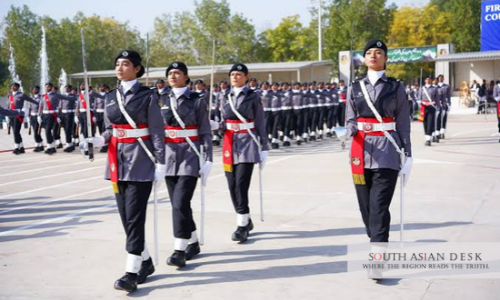
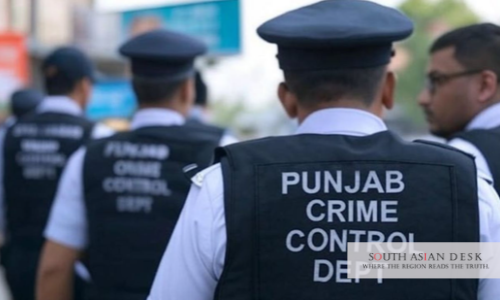
The Crime Control Department (CCD), a Punjab police unit, said Tauqeer escaped from its custody after the remand was granted. According to the department, he was found dead after an exchange of fire when its personnel tried to stop two people riding a motorcycle on Bahawalpur’s Northern Bypass. A CCD official told Geo that the men opened fire as they tried to flee, and Express Tribune reported that the department said an accomplice escaped. The initial statement did not detail how the suspect came to escape, the Tribune noted.
Lawyers and Journalists Question Due Process
Dawn reported that the death drew criticism on X from lawyers and journalists. Advocate Nida Usman Chaudhry, founder of Women in Law, said that when people demand justice they mean fair investigation, fair trial and due process. Barrister Rida Hossain argued that the executive should not act as judge, jury and executioner, and she cited casualty figures from the Human Rights Commission of Pakistan (HRCP) to argue that the imbalance suggests deliberate executions.
Shazia Nizamani, chairperson of the Sindh Women Lawyers Alliance, said the suspect should have been produced before a judge and asked how handcuffed suspects surrounded by armed policemen manage to escape in case after case. Senior journalist Naimat Khan said that the extrajudicial killing of even a guilty person reflects deep mistrust in the justice system and undermines the rule of law. Former human rights minister Shireen Mazari also questioned the episode in a post on X.
Criticism of a Lawmaker’s Post
Much of the criticism was directed at a post by PML-N member of the Punjab Assembly Hina Parvez Butt, which was later deleted. She wrote that justice is served immediately under the government of Chief Minister Maryam Nawaz. Advocate Abdul Moiz Jaferii said she was celebrating the killing and described it as vengeance, not justice. Journalist Hasnaat Malik questioned the need to spend large sums on courts if justice is to be delivered in this way.
The Wider Debate Over the Department’s Record
The CCD was established last year and has been criticised by human rights advocates and civil society members for a high number of casualties, according to Dawn. The HRCP alleged earlier this year that the department had adopted a deliberate policy of staged police encounters leading to extrajudicial killings. The department rejected the claim, terming it unfounded and contrary to its operational framework.
The Multan case followed another incident in Islamabad, where police claimed a suspect was killed when his accomplices opened fire on a police team transporting him. Taken together, the two cases prompted commentators to ask whether suspects in custody are being deprived of a trial.
What Remains Unanswered
The accounts given so far rest largely on statements by the police and the department concerned. No independent finding on how the suspect escaped or how he died had been reported at the time of writing, and the reports reviewed did not mention an inquiry into the alleged CCD encounter. For the family of the teenager, the death of the main accused means that the trial they might have expected will not take place. For critics, it is a further example of the gap between the demand for justice and the procedures that are supposed to deliver it.
Follow SouthAsianDesk on X, Instagram and Facebook for insights on business and current affairs from across South Asia.