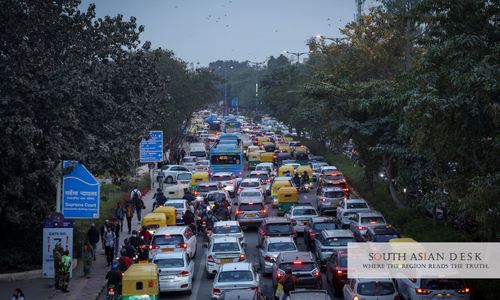
Alternative-fuel car sales in India have surpassed petrol vehicle sales for the first time, marking a significant shift in the world’s third-largest car market. According to the Federation of Automobile Dealers Associations (FADA), which represents dealers of major car and two-wheeler manufacturers, models running on compressed natural gas (CNG), hybrid technology and electric power accounted for nearly 42 percent of passenger vehicle sales in August, compared with about 41 percent for petrol vehicles.
The milestone comes amid rising fuel costs, driven in part by an increase in oil prices linked to conflict in the Middle East, and a public backlash over E20 petrol concerns that has been building among Indian motorists for months.
What Is Driving the Shift Toward CNG, Hybrid and Electric Vehicles
FADA Vice President Sai Giridhar told Reuters that the change had been anticipated for some time. “This shift was bound to happen,” he said, adding that while E20 petrol concerns may have initially pushed some buyers toward alternative fuel options sooner than expected, the trend has since been sustained by broader factors. These include a wider range of alternative-fuel models on the market, improved driving range for electric vehicles, and the gradual expansion of charging infrastructure across the country.
The scale of the reversal is notable. FADA noted that petrol led the contest by nearly 11 percentage points little more than a year ago. That lead has now been erased entirely, reflecting a rapid change in consumer sentiment and purchasing behaviour over a relatively short period.
The Role of E20 Petrol Concerns in Shaping Buyer Behaviour
India has been transitioning from E10 petrol, which contains 10 percent ethanol, to E20 petrol, which contains 20 percent ethanol. The policy is intended to reduce the country’s dependence on imported crude oil and has already delivered financial benefits to farmers and savings in foreign exchange, according to government figures. However, the move has drawn criticism from owners of older vehicles, many of whom fear that the higher ethanol blend could reduce fuel economy or affect engines that were not originally designed for it.
The government has pushed back against the more alarmist claims circulating on social media, describing some of them as exaggerated and urging the public not to be swayed by unverified information. Officials have maintained that vehicle compatibility depends largely on model year, engine specification and manufacturer guidance, and have encouraged consumers to consult authorised service networks rather than relying on informal sources. Even so, the debate around E20 petrol concerns has become one of the more politically sensitive issues facing the current government, and it has clearly factored into purchasing decisions during the period under review.
Record Festive Season Sales Despite Price Pressures
The shift toward alternative-fuel vehicles has taken place against a backdrop of strong overall demand. India’s automobile retail sales rose 17.5 percent year-on-year in August to reach 2.4 million units, a record for the month. This growth occurred despite several leading automakers implementing price increases throughout the year to offset rising input costs.
Maruti Suzuki India, the country’s largest carmaker, announced on Monday that it would raise prices on select models by up to 20,000 rupees from September, marking its third price hike since May. The timing is notable, as India is entering its festive season, a period that traditionally drives a surge in big-ticket consumer purchases, including vehicles.
Giridhar cautioned that continued price increases could erode some of the gains achieved through tax reforms introduced last year, which were designed to stimulate consumption. Nevertheless, he indicated that dealers remain broadly optimistic about sales prospects heading into the festive months, even as inflationary pressures persist.
A Structural Shift in India’s Automotive Market
Within the alternative-fuel category, CNG and LPG vehicles represent the largest share, reflecting their appeal to cost-conscious buyers who prioritise lower running expenses, particularly in urban centres where fuel prices and traffic congestion make efficiency a priority. Hybrid and electric vehicles have also gained ground steadily, aided by expanding model availability and infrastructure improvements.
Industry observers view the crossover as more than a temporary anomaly linked to short-term E20 petrol concerns. Instead, it appears to reflect a structural change in how Indian consumers evaluate long-term ownership costs, environmental considerations and fuel reliability. As alternative-fuel car sales in India continue to gain traction, the coming months, particularly the festive season, are likely to serve as a further test of whether this shift represents a lasting realignment of the country’s passenger vehicle market or a response to a specific set of economic and regulatory pressures.
Published in SouthAsianDesk, September 8th, 2026
Follow SouthAsianDesk on X, Instagram and Facebook for insights on business and current affairs from across South Asia.