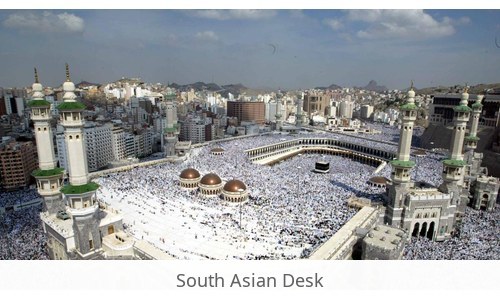
attempted Mecca attack: On September 16, 2026, Saudi Arabia’s security authorities declared the attempted Mecca attack a ‘red line,’ emphasizing the gravity of the threat posed by Iran-backed groups. The incident has intensified regional tensions and prompted renewed scrutiny of Saudi Arabia security strategies. The Houthis have denied involvement in the alleged attack, according to Ariana News, while the OIC condemnation of the assault has underscored the broader implications for Islamic unity and regional stability.
attempted Mecca attack: Regional Implications
The attempted Mecca attack has forced Saudi Arabia to reassess its defense posture, with officials warning that such acts of aggression will not be tolerated. The incident has also raised questions about the effectiveness of existing security measures in protecting the holiest sites of Islam. The OIC condemnation of the attack has further amplified diplomatic pressure on the Houthis, with member states calling for swift action against those responsible.
The Houthi denial of involvement in the attack has not quelled concerns among regional allies, who remain wary of the group’s capabilities and potential alliances. Analysts suggest that the Iran-backed groups may be testing Saudi Arabia’s resolve, particularly in light of recent tensions along the Yemeni border. This development has also prompted discussions about strengthening Saudi-Pakistan relations, as Islamabad has historically supported Riyadh in counterterrorism efforts.
The OIC condemnation of the Houthi drone attack on Mecca and Medina as ‘terrorism’ by Khaama Press highlights the symbolic and strategic significance of the holy sites. The Organization of Islamic Cooperation’s unified stance reflects the broader Muslim world’s concern over threats to religious sanctity, reinforcing the need for coordinated counterterrorism measures. Saudi Arabia’s declaration of the attack as a ‘red line’ signals a potential escalation in retaliatory actions, though no official military response has been confirmed as of yet.
Saudi-Pakistan Relations
The attempted Mecca attack has reignited discussions about Saudi-Pakistan relations, particularly in the context of defense cooperation. Pakistan’s Defence Minister has expressed uncertainty about whether Saudi Arabia has reached out to Islamabad regarding the incident, highlighting the need for clearer communication between the two nations. Historical ties between Saudi Arabia and Pakistan, rooted in shared religious and strategic interests, could play a crucial role in addressing the security challenges posed by the Iran-backed groups.
The Houthi denial of involvement in the attack has not only fueled regional tensions but also raised questions about the reliability of intelligence assessments. Saudi Arabia’s security apparatus has been under increased scrutiny, with calls for enhanced coordination with international partners, including Pakistan, to counter the growing threat from Iran-backed groups. Pakistan’s strategic position in the region, coupled with its historical role in counterterrorism operations, positions it as a potential ally in bolstering Saudi Arabia’s defenses against future attacks.
The OIC condemnation of the attack has also prompted discussions about regional solidarity in countering extremist threats. Pakistan, as a member of the OIC, may play a more active role in diplomatic efforts to isolate Iran-backed groups, aligning with Saudi Arabia’s broader security objectives. However, the extent of this cooperation remains contingent on mutual trust and the clarity of Saudi Arabia’s outreach to Islamabad.
Conclusion
The the result has underscored the fragility of regional security dynamics and the need for a unified response to threats against Islamic holy sites. As Saudi Arabia security strategies evolve, the role of international cooperation, particularly with Pakistan, will be critical in addressing the challenges posed by Iran-backed groups. The OIC condemnation of the attack serves as a reminder of the shared responsibility among Muslim nations to safeguard religious and cultural heritage.
The incident also highlights the interconnectedness of regional security and economic stability. Saudi Arabia’s decision to cancel oil deliveries to Europe following attacks on its export pipeline, as reported by Al Jazeera, underscores the broader implications of such threats on global energy markets. This development adds another layer of complexity to the geopolitical landscape, as energy security becomes increasingly intertwined with counterterrorism efforts.
Related Posts
Stay updated on the latest developments in Middle East security by following us on Twitter and Facebook.
Follow SouthAsianDesk on X, Instagram and Facebook for insights on business and current affairs from across South Asia.
Sources
- Saudi Arabia calls attempted Mecca attack ‘red line’ as Iran-backed Houthis deny they did it – thehindu.com
- Saudi Arabia calls alleged Mecca attack a ‘red line’ as Houthis deny involvement – ariananews.af
- Houthi Threat Reaches Mecca, Pakistan Hides Behind ‘Ops’ To Avoid Saudi Fight – ndtv.com
- OIC Condemns Houthi Drone Attack on Mecca and Medina as ‘Terrorism’ – khaama.com
- Saudi Arabia cancels oil to Europe over East-West pipeline blast – aljazeera.com
Image: th-i.thgim.com