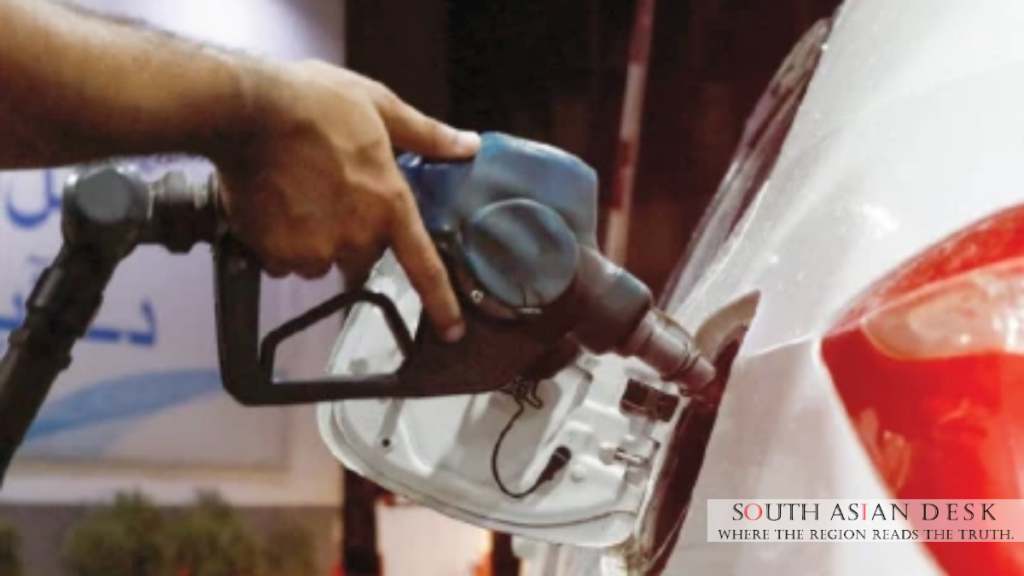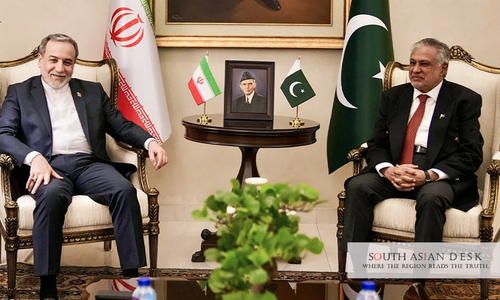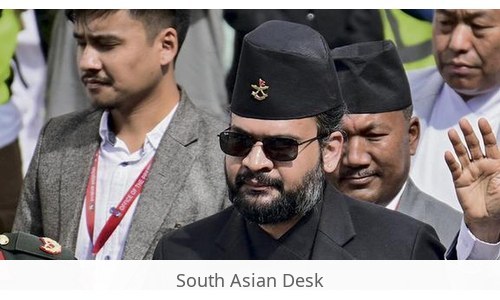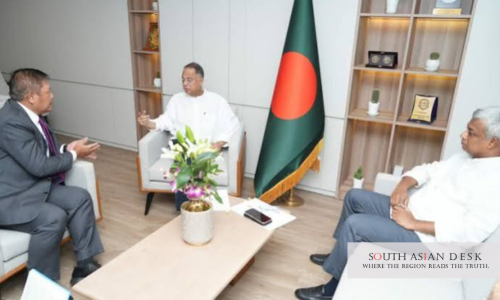
The Bangladesh Myanmar gas pipeline is once again on the table, as Dhaka looks to secure a steady supply of natural gas from its eastern neighbor to meet rising domestic demand. Power, Energy and Mineral Resources Minister Iqbal Hassan Mahmud raised the proposal during a meeting with Myanmar’s Ambassador to Bangladesh, U Kyaw Soe Moe, at the Secretariat on Sunday, August 2, 2026. The discussion marks a fresh push to revive a long-pending pipeline plan and strengthen regional energy cooperation between the two countries.
Why Bangladesh Wants to Import Natural Gas from Myanmar
Bangladesh has been grappling with a persistent gas shortfall for years, and the government is actively exploring new sources to close that gap. During the meeting, Minister Mahmud pointed to the significant demand for natural gas within Bangladesh and said that expanding energy collaboration with Myanmar, as an immediate neighbor, is a priority. He specifically expressed interest in reviving the long-standing proposal to build a pipeline connecting Myanmar to Chittagong, a route that would allow gas to flow directly into Bangladesh’s industrial heartland.
This renewed interest reflects a broader effort by the government to diversify its energy import sources rather than relying on a single supplier or route. A pipeline connection with Myanmar would give Bangladesh another channel for natural gas import, supplementing existing LNG terminals and domestic production.
LNG Supply as an Alternative Option
While the pipeline remains the centerpiece of the discussion, the Myanmar ambassador also raised the possibility of supplying gas in the form of Liquefied Natural Gas, or LNG. He noted that the feasibility of LNG shipments could be examined alongside the pipeline proposal, giving both sides more flexibility in how the energy trade eventually takes shape. Minister Mahmud responded favorably to this suggestion, signaling that Bangladesh is open to a combination of pipeline and LNG supply rather than committing to one method alone.
Building Momentum Through Ministerial Talks
To move the discussions forward, Minister Mahmud proposed holding ministerial-level meetings between the two countries. He said Bangladesh plans to formally invite Myanmar’s Energy Minister for a visit and noted that he is also willing to travel to Myanmar himself if required. This exchange of visits is intended to accelerate bilateral talks in the energy sector and translate early interest into a workable agreement.
Linking Energy Cooperation to Regional Connectivity
The Bangladesh Myanmar gas pipeline proposal is not being discussed in isolation. Minister Mahmud referred to Prime Minister Tarique Rahman’s recent official visit to China, during which a proposal was made to establish a China-Myanmar-Bangladesh Economic Corridor. He noted that building a gas pipeline between Bangladesh and Myanmar would support that wider regional corridor, tying energy security directly to broader trade and connectivity goals involving all three countries.
Reaffirming the government’s commitment to long-term trade and energy ties, Minister Mahmud conveyed Prime Minister Tarique Rahman’s goodwill toward strengthening bilateral relations under Bangladesh’s “Neighbor First” policy. He added that many potential areas of cooperation between the two nations remain unexplored.
Next Steps for the Proposal
Ambassador U Kyaw Soe Moe suggested that the proposals be reviewed in detail during upcoming sessions of the Bangladesh Myanmar Joint Technical Committee, giving both governments a formal platform to assess the pipeline and LNG options. The meeting was also attended by State Minister for Power, Energy and Mineral Resources Anindya Islam Amit, Energy Secretary Mohammad Saiful Islam, and Power Secretary Mirana Mahrukh.
If realized, the Bangladesh Myanmar gas pipeline could mark a significant step toward diversifying the country’s energy supply chain and reinforcing energy security at a time when domestic demand continues to climb. For now, the proposal moves into the technical committee stage, where its feasibility, cost, and timeline will be examined more closely before any formal agreement is signed.
Published in SouthAsianDesk, August 3rd, 2026
Follow SouthAsianDesk on X, Instagram and Facebook for insights on business and current affairs from across South Asia.