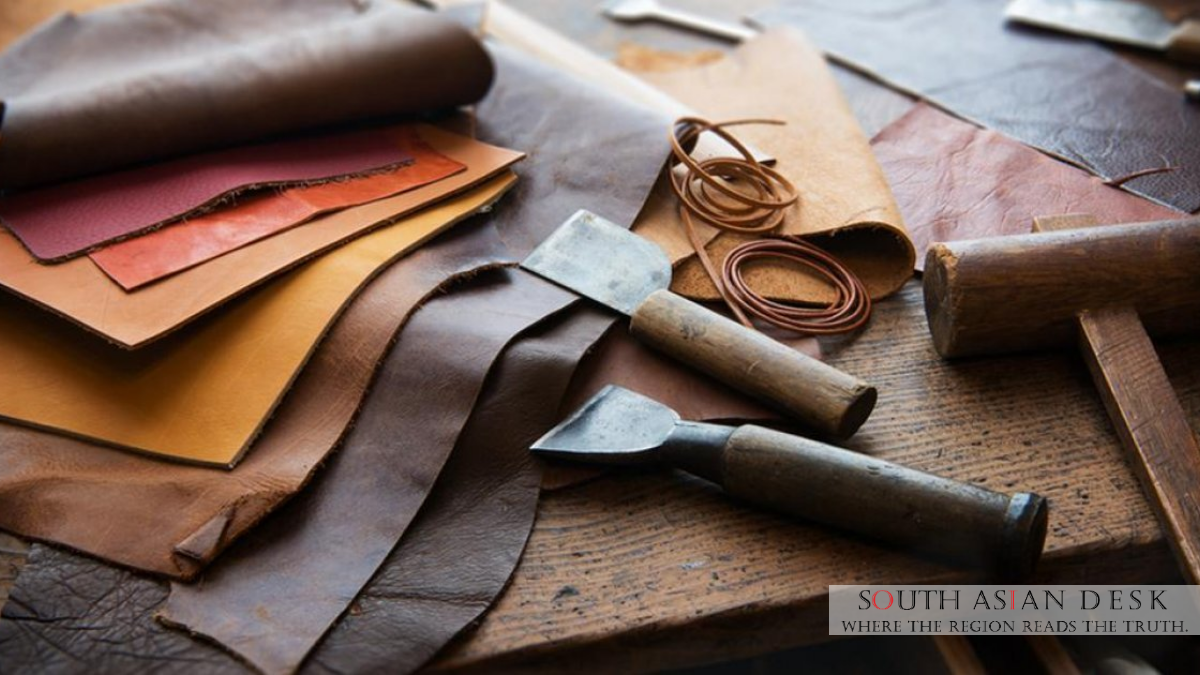
Bangladesh’s leather industry is grappling with significant challenges as it faces a severe capital shortfall and compliance issues. As Eid-ul-Azha approaches, the rawhide market becomes a focal point for economic concerns, with statutory price caps and credit lines in place.
Despite being a leading global producer, Bangladesh’s leather sector is plagued by poor compliance, inadequate infrastructure, and market syndicates. Tannery owners have set ambitious targets to collect 7.5 to 8 million pieces of sacrificial rawhide, supported by Tk160 crore in seasonal credit lines from state-owned banks.
However, industry experts express skepticism about whether this liquidity will stabilize the market, as many tanneries are barred from fresh loans due to past defaults. The Central Effluent Treatment Plant in Savar remains underdeveloped, leading to environmental challenges that hinder international certification.
The government has introduced emergency measures, including partial lifting of export restrictions and training programs for butchers, to prevent market collapse. Economists urge comprehensive reforms to enhance waste-treatment capacity and open-market export windows.
As Bangladesh transitions from the Least Developed Country list, the need for compliance with global standards becomes urgent. Failure to reform could isolate the country from lucrative global markets, risking further decline in an industry that supports social welfare and export potential.
Published in SouthAsianDesk, May 28, 2026
Follow SouthAsianDesk on X, Instagram and Facebook for insights on business and current affairs from across South Asia.