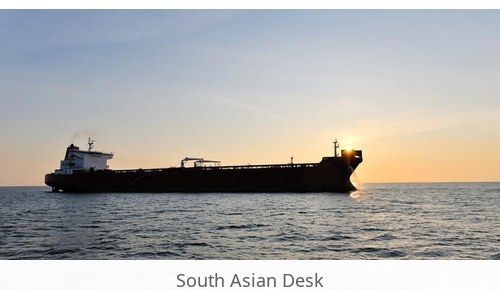
Bay of Bengal vessel sinking: On August 27, 2026, the Indian Coast Guard (ICG) confirmed the sinking of a Panama-flagged cargo ship in the Bay of Bengal, triggering an expanded search and rescue operation. Two crew members have been rescued, while efforts continue to locate remaining personnel. The incident has drawn attention to maritime safety concerns in one of South Asia’s most critical shipping corridors, a region that facilitates over $200 billion in annual cargo traffic.
Bay of Bengal vessel sinking: Current Search and Rescue Operations
The ICG has deployed three vessels to the coordinates of the sinking, utilizing sonar and aerial surveillance to locate survivors. According to The Hindu, the operation has so far recovered two individuals, though the exact number of missing crew remains unclear. The Indian Express reports that two Chinese nationals rescued from the vessel are being questioned by a joint team comprising maritime authorities and foreign embassies. The ICG’s response underscores its role as the primary maritime safety agency in the region, tasked with ensuring the security of India’s extensive coastline and vital shipping lanes. This incident has also prompted a review of the ICG’s protocols for handling large-scale maritime emergencies, particularly in areas prone to unpredictable weather patterns.
Maritime Safety Concerns
The Bay of Bengal vessel sinking incident has highlighted the persistent risks for vessels navigating the region’s unpredictable weather patterns and dense shipping lanes. The ICG has not yet issued formal statements on potential regulatory changes, but maritime experts cite the need for enhanced navigation protocols and improved distress response mechanisms. The region’s vulnerability to cyclones, monsoons, and sudden weather shifts has long been a challenge for maritime operators. In 2025, a similar incident involving a Greek-flagged vessel resulted in the loss of three crew members, highlighting the recurring nature of such risks. The Bay of Bengal’s strategic location, connecting South Asia with Southeast Asia and the Middle East, makes it a high-traffic zone with significant economic stakes.
International Implications
The Bay of Bengal’s strategic importance as a shipping route for energy exports, container freight, and regional trade has made this incident a focal point for international maritime organizations. The International Maritime Organization (IMO) has not yet commented, but analysts note that the incident may prompt renewed discussions on safety standards for vessels operating in high-risk zones. The sinking also highlights the need for better coordination between flag states and port authorities in the region. For instance, the Panama-flagged vessel’s registration raises questions about the oversight of ships registered under flags of convenience, a practice that has been scrutinized in the past for its potential to compromise safety and environmental standards. The incident could also influence regional agreements on maritime safety, particularly between India, Bangladesh, and Myanmar, which share the Bay of Bengal’s waters.
Contextualizing the Incident
The result incident underscores the critical role of the region as a shipping corridor connecting major ports such as Kolkata, Chittagong, and Colombo, which handle a significant portion of South Asia’s maritime trade. The region’s shipping lanes are also integral to the supply chains of multinational corporations, particularly those involved in energy and manufacturing. The sinking of the Panama-flagged vessel, therefore, has implications not only for the immediate safety of maritime workers but also for the broader economic stability of the region. The ICG’s ongoing search and rescue efforts are being closely monitored by regional stakeholders, including the Bangladesh Navy and the Myanmar Coast Guard, which have previously collaborated on joint maritime operations.
Follow SouthAsianDesk on X, Instagram and Facebook for insights on business and current affairs from across South Asia.
Sources
- ICG intensifies search and rescue following sinking of Panama-flagged vessel in Bay of Bengal – thehindu.com
- 2 Chinese survivors from vessel that sank off Odisha coast questioned by joint team – indianexpress.com
Image: th-i.thgim.com