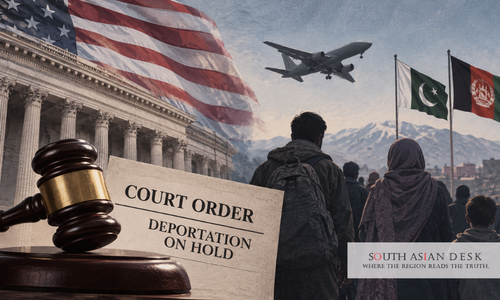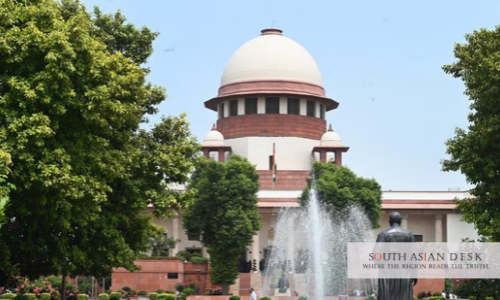
The Bilkis Bano case has seen a fresh development, with the Supreme Court granting bail to two of the men convicted of gang rape and murder during the 2002 Gujarat riots. According to reports on October 30, the judges pointed to the more than 17 years the two have spent in prison and to their pending appeals as reasons for the relief. One of them, Bipinchand Kanaiyalal Joshi, is reported to be severely disabled.
What the court decided
The order applies to two of the 11 men convicted in the matter. Reports indicate that the conditions of bail will be set by the trial court, and that both men continue to challenge their convictions. Bail during an appeal is a procedural measure and does not amount to an acquittal. The convictions and life sentences stand unless an appellate court sets them aside.
This article draws on summary reports of the order, as the full text of the judgment was not available at the time of writing. The names of the judges who heard the matter and the precise reasoning on each convict were not confirmed in the sources reviewed.
Background to the Bilkis Bano case
The case arises from violence that followed the burning of the Sabarmati Express at Godhra in February 2002. On March 3 of that year, Bilkis Bano, who was pregnant at the time, was gang-raped in Dahod district, and 14 people were killed by a mob, including her three-year-old daughter, as The Tribune has reported. The trial was moved to Maharashtra, and 11 men were convicted in 2008 of raping her and murdering seven of her relatives. The Bombay High Court later confirmed the convictions and sentences while dismissing the appeals filed against them, in a verdict delivered in 2017.
The remission controversy
The matter returned to national attention in August 2022, when the Gujarat government granted remission to all 11 convicts and they walked out of jail, a decision that provoked widespread public criticism. The releases had followed a Supreme Court order in May 2022 that asked Gujarat to consider the remission applications.
On January 8, 2024, a bench of the Supreme Court quashed that remission. It held that the Gujarat government lacked jurisdiction because the trial had taken place in Maharashtra, making the Maharashtra government the appropriate authority. The court also held that the earlier May 2022 order had been obtained by suppressing material facts and described it as a nullity. The convicts were directed to surrender within two weeks, and applications seeking more time were rejected later that month.
Earlier attempts at relief
Efforts by individual convicts to secure release have continued since. In July 2024, the Supreme Court declined to entertain a petition by two of the men, Radheshyam Bhagwandas Shah and Rajubhai Babulal Soni, who had challenged the January verdict and sought interim bail. Their counsel withdrew the plea after the bench indicated it was not inclined to hear it.
More recently, in March 2026, the court issued notice on a plea by two convicts challenging the 2017 judgment of the Bombay High Court that upheld their conviction and sentence, according to IANS. The reports reviewed do not make clear whether those two men are the same as those now granted bail, so no link between the two matters is asserted here.
Why the order matters
The decision is likely to draw strong reactions given the history of the proceedings. For supporters of the convicts, long incarceration, slow appellate hearings and a convict’s serious disability are established grounds on which courts grant bail. For others, the outcome will carry weight because of the earlier controversy over remission, which the Supreme Court itself found to have been improperly secured.
Much now depends on the conditions the trial court attaches and on how quickly the appeals are heard. Until those challenges are decided, the Bilkis Bano case remains an unresolved test of how the justice system balances the rights of convicts with the rights of survivors and the need for accountability.
Follow SouthAsianDesk on X, Instagram and Facebook for insights on business and current affairs from across South Asia.
Read More: