Cruise ship hantavirus outbreak concerns have eased after the World Health Organization declared the MV Hondius-linked episode over, ending weeks of quarantine, contact tracing and international public health monitoring.
The outbreak, linked to the Dutch-flagged cruise ship MV Hondius, involved 12 confirmed cases and one probable case of Andes virus infection. Three people died. WHO said the outbreak was considered over after the final contact of an exposed person completed quarantine, tested negative and returned home.
No further cases had been reported since May 25, according to remarks attributed to WHO Director-General Tedros Adhanom Ghebreyesus. The announcement marks the end of a cruise ship health alert that drew global attention because it involved international travellers, a rare hantavirus strain and the difficult task of tracing contacts across several countries.
Cruise Ship Hantavirus Outbreak Ends After Final Quarantine
The cruise ship hantavirus outbreak began as a cluster of severe respiratory illness among passengers and crew aboard the MV Hondius. The vessel had set off from Argentina on April 1 before the outbreak was identified and reported to WHO in early May.
Health authorities later confirmed that the outbreak involved Andes virus, a type of hantavirus found in South America. By late May, WHO had reported 13 total cases, including 11 laboratory-confirmed cases and two probable cases. Later reporting identified 12 confirmed cases and one probable case, with three deaths overall.
The end of the outbreak does not mean the episode has lost importance. Rather, it means that the immediate chain of public health monitoring has reached a point where no further cases have emerged after the relevant quarantine and follow-up periods. For health agencies, this is a significant milestone because hantavirus can have a long incubation period and early symptoms can resemble other respiratory or febrile illnesses.
Public health quarantine was central to the response. Passengers, crew members and other contacts were monitored after possible exposure. Some people disembarked before the outbreak was fully confirmed, which complicated tracing efforts and required coordination between multiple national health authorities.
What Made the MV Hondius Outbreak Unusual?
The MV Hondius outbreak attracted concern because hantavirus is usually linked to exposure to infected rodents or their droppings, urine or saliva. Cruise ships are not commonly associated with such outbreaks, making this incident unusual from both a travel and infectious disease perspective.
The strain involved, Andes virus, is also significant. Unlike most hantaviruses, Andes virus is known to have limited human-to-human transmission among close and prolonged contacts. That does not make it comparable to highly transmissible respiratory viruses, but it does mean that health authorities had to treat close contacts with caution.
The outbreak also unfolded in an international travel setting. Passengers and crew members came from multiple countries, and some travellers had already disembarked before all risks were clear. This required international contact tracing through health channels, including monitoring of people who had left the ship or travelled onward.
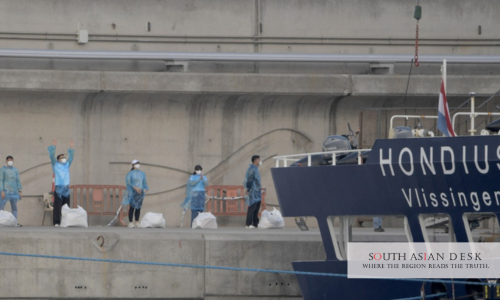
The ship was eventually linked to quarantine and disembarkation procedures in locations including Tenerife in Spain’s Canary Islands. Images of protective suits and strict health measures helped drive public attention, but health agencies repeatedly stressed that the broader public health risk remained low.
Andes Virus and Hantavirus Transmission
Andes virus belongs to the hantavirus family. Hantaviruses are carried by rodents and can cause serious illness in humans. In the Americas, hantavirus infection can lead to hantavirus cardiopulmonary syndrome, a severe illness affecting the lungs and heart.
Most hantavirus infections occur when people inhale particles from contaminated rodent urine, droppings or saliva, especially in enclosed or poorly ventilated spaces. Infection can also occur through direct contact or, less commonly, rodent bites.
Andes virus is different from many other hantaviruses because limited person-to-person spread has been documented. WHO has said such transmission remains uncommon and is usually associated with close and prolonged contact, particularly among household members or intimate partners.
That distinction is important. The MV Hondius outbreak triggered a global health alert, but it was not treated as the beginning of a pandemic. Health officials emphasised that the risk to the wider public was low, especially when exposed individuals were identified, isolated, tested and monitored.
Why the Global Health Alert Still Matters
Even though the cruise ship hantavirus outbreak is now over, it remains important for global health preparedness. Ships, aircraft and other travel settings can make disease control more difficult because people from many countries may share confined spaces before dispersing internationally.
The MV Hondius outbreak showed how quickly a rare infection can become a multinational public health issue. It required testing, isolation, quarantine, medical evacuations, contact tracing and communication between national authorities. It also highlighted the need for clear protocols when a severe respiratory illness appears in a travel setting.
The case also matters because the source of infection and transmission pattern require continued study. WHO previously said the working hypothesis was that the first infection may have been acquired before boarding, through exposure on land. Subsequent evidence suggested possible human-to-human transmission on board the ship.
That makes the episode scientifically valuable. Researchers can study incubation periods, viral dynamics, immune responses and transmission risks in a defined exposed group. The outbreak has already led to a coordinated international research initiative involving investigators and institutions across 21 countries.
Scientists Continue Studying the WHO Hantavirus Outbreak
The WHO hantavirus outbreak declaration closes the immediate emergency phase, but scientists are still trying to understand what happened. The research challenge is to determine how the virus entered the ship environment, how it spread and what measures were most effective in preventing further cases.
The episode has prompted the launch of a coordinated Andes virus research initiative known as NAVIS. The project is designed to study transmission dynamics, incubation periods, immune responses, viral behaviour and factors linked to severe disease. Such research could help guide future public health decisions, especially in rare outbreaks where evidence is limited.
This is particularly relevant for Andes virus because there are still gaps in understanding its transmission. While close and prolonged contact is considered the main setting for person-to-person spread, the MV Hondius case gives researchers an opportunity to examine the risks in a confined travel environment.
The outbreak may also influence how cruise operators, expedition travel companies and public health authorities prepare for future health emergencies. Travel companies operating in remote or high-risk regions may face closer scrutiny over medical screening, outbreak response planning and coordination with international health agencies.
Lessons for Cruise Travel and Public Health
For travellers, the end of the cruise ship hantavirus outbreak should be reassuring, but it also offers practical lessons. Rare outbreaks can happen even in highly organised travel settings. Early reporting of symptoms, cooperation with quarantine rules and accurate travel histories can make a major difference in controlling risk.
For cruise operators, the outbreak highlights the need for strong onboard medical protocols. Expedition cruises often travel through remote regions where access to advanced medical care may be limited. Operators need clear procedures for isolating sick passengers, communicating with health authorities and arranging evacuation if severe illness develops.
For governments, the MV Hondius outbreak reinforces the value of international coordination. Contact tracing across borders is difficult, especially when passengers have already returned home. The fact that the outbreak has now been declared over shows that coordinated quarantine, monitoring and testing can contain even complex travel-linked health events.
Cruise Ship Hantavirus Outbreak Shows Need for Preparedness
The cruise ship hantavirus outbreak is over, but it should not be dismissed as an isolated curiosity. It involved a rare virus, a mobile international population and a setting where close contact could increase risk. It also tested the ability of health authorities to respond quickly across borders.
The key point is balance. The episode was serious, with 13 cases and three deaths, but it did not develop into a wider public health crisis. The final quarantine was completed, the last identified contact tested negative and no further cases had been reported for weeks.
That outcome reflects the importance of surveillance, quarantine, testing and international cooperation. It also shows why rare pathogens must still be taken seriously, especially when they appear in travel settings.
The WHO declaration brings the immediate MV Hondius outbreak to a close. The scientific work, however, is still beginning. What researchers learn from this hantavirus cruise ship episode may shape future guidance on outbreak response, quarantine and health preparedness for international travel.
Published in SouthAsianDesk, July 3, 2026
Follow SouthAsianDesk on X, Instagram and Facebook for insights on business and current affairs from across South Asia.