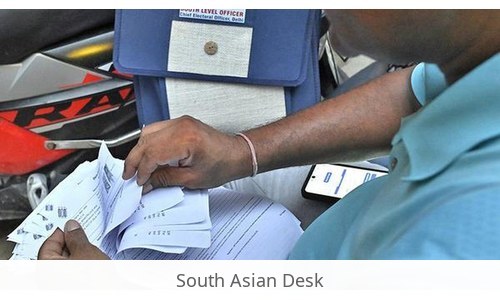
Delhi draft electoral roll: On August 31, 2026, Delhi’s Delhi chief electoral officer announced the publication of the draft electoral roll, revealing the exclusion of 47.7 lakh names from the initial 1.45 crore registered voters. Those affected can file claims until September 30, 2026, using Form 6 and supporting documents. The final electoral roll is scheduled for November 4, 2026. This update comes ahead of Delhi elections 2026, raising questions about the voter registration process and its impact on electoral participation.
Delhi draft electoral roll: Implications for Voter Turnout
The large-scale exclusions raise concerns about potential decreases in voter turnout due to confusion and lack of awareness about the claims process. Historical data shows voter turnout in Delhi’s previous elections averaged 62%, with fluctuations based on electoral engagement. Civic education campaigns may be critical in mitigating the impact of these exclusions, though no official announcements have yet been made regarding such initiatives.
The exclusion of nearly a third of registered voters could disproportionately affect marginalized communities, including migrant workers and informal sector employees, who may face barriers in verifying their eligibility. This demographic is often underrepresented in electoral processes due to transient living conditions and limited access to documentation. Analysts suggest that without targeted outreach, the process risks exacerbating existing disparities in voter participation, particularly in areas with high population mobility.
Reasons Behind the Exclusions
The criteria for voter registration and exclusions include verification of residence, age, and electoral eligibility. Officials have cited demographic changes and migration patterns as contributing factors. The verification process, which relies on cross-referencing data from multiple government databases, may have flagged inconsistencies in addresses or age discrepancies. Migration patterns in Delhi, characterized by high influx of workers from other states and countries, could have led to outdated or incomplete records.
Additionally, the use of Form 6 for claims underscores the administrative complexity of maintaining an accurate electoral roll in a rapidly evolving urban landscape. The absence of detailed data on excluded groups raises questions about the transparency of the process, though officials have emphasized compliance with standard electoral procedures. The voter exclusion Delhi issue has sparked debates about the balance between electoral integrity and inclusive participation.
Political Ramifications
Political parties may respond to the changes by emphasizing voter outreach or critiquing the electoral process. Voter demographics, including urban-rural divides and youth participation, could influence electoral strategies. While no party has publicly commented on the exclusions as of now, analysts suggest the changes may affect campaign targeting in key constituencies.
For instance, areas with high concentrations of migrant workers or informal sector laborers may see shifts in voter dynamics, prompting parties to adjust their messaging and resource allocation. The exclusion of a significant number of voters could also lead to increased scrutiny of the Delhi draft electoral roll‘s procedures, particularly in light of broader debates about electoral reforms in India. Critics may argue that the process risks disenfranchising vulnerable groups, while supporters could highlight the need for rigorous verification to prevent electoral fraud.
Contextualizing the Electoral Reforms
The current developments in Delhi’s electoral roll reflect broader trends in India’s electoral landscape, where modernization efforts aim to align with technological advancements and demographic realities. The use of digital verification systems and centralized databases is part of a nationwide initiative to streamline voter registration and reduce discrepancies. However, the implementation of such systems in densely populated and economically diverse regions like Delhi presents unique challenges.
The exclusion of 47.7 lakh names also highlights the tension between ensuring electoral integrity and maintaining inclusive participation. As India prepares for upcoming elections, the Delhi case serves as a microcosm of the challenges faced in balancing accuracy with accessibility in voter rolls. The Delhi draft electoral roll update underscores the need for transparency in the voter registration process and its implications for electoral participation in Delhi elections 2026.
Follow SouthAsianDesk on X, Instagram and Facebook for insights on business and current affairs from across South Asia.
Sources
- Delhi’s draft electoral roll out; 47.7 lakh names excluded – thehindu.com
- A third of Delhi voters dropped from draft list after SIR – indianexpress.com
Image: th-i.thgim.com