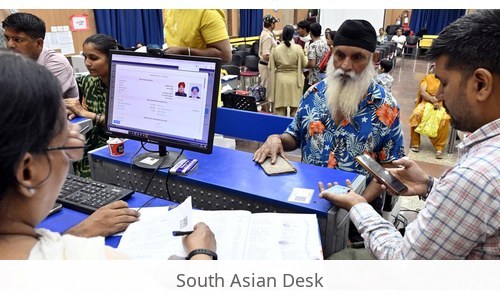
On 2026-09-22, the Supreme Court of India raised concerns about the Delhi SIR notices, stating they appear ‘machine-generated’ and mechanically issued, sparking scrutiny over the Election Commission’s electoral processes. The court questioned the Election Commission’s counsel about whether recipients of the notices understood the ‘logical discrepancies’ they were required to address, highlighting potential issues with voter representation Delhi.
Delhi SIR notices: Implications of the Supreme Court’s Remarks
The Supreme Court’s remarks could significantly impact the credibility of the Election Commission and the upcoming electoral processes in Delhi. Petitioners argue that the term ‘logical discrepancies’ was not defined by the Election Commission of India (ECI), creating ambiguity for voters required to respond to the Delhi SIR notices. This lack of clarity may undermine the integrity of voter representation Delhi, as citizens struggle to comply with notices without clear guidance.
The Supreme Court India’s intervention underscores the need for transparency in electoral procedures. Legal experts emphasize that the absence of a clear definition for ‘logical discrepancies electoral law’ could lead to widespread confusion among voters, particularly in a region like Delhi, where electoral roll discrepancies have already raised concerns. The court’s scrutiny may compel the Election Commission to provide a standardized framework for addressing such issues, ensuring that the electoral process remains fair and accessible to all eligible voters.
Discrepancies in the Electoral Roll
The draft electoral roll in Delhi reportedly excluded around 47 lakh names, while notices were issued to approximately 33 lakh voters whose names remained in the draft roll. This discrepancy raises questions about the accuracy of voter registration and its potential effects on voter turnout. The electoral roll discrepancies underscore the need for transparency in the revision process, particularly as the Supreme Court India continues to scrutinize the Election Commission’s procedures.
The Election Commission has faced criticism for its handling of the Delhi SIR revision, with critics arguing that the process lacks accountability. The exclusion of nearly 47 lakh names from the draft roll suggests a systemic issue in voter registration, which could disproportionately affect marginalized communities. This situation highlights the importance of robust oversight mechanisms to ensure that the electoral process reflects the true will of the electorate.
Understanding ‘Logical Discrepancies’
The Election Commission has not provided a clear definition for ‘logical discrepancies,’ leaving voters uncertain about the criteria for addressing the Delhi SIR notices. Legal experts suggest this lack of clarity could lead to challenges in the electoral process, particularly regarding voter eligibility and representation. The term ‘logical discrepancies electoral law’ has emerged as a critical point of contention, with advocates calling for a standardized framework to resolve such issues.
The Supreme Court India’s focus on this issue reflects broader concerns about the intersection of technology and electoral governance. As electronic systems become more prevalent in voter registration, the risk of algorithmic errors or biases increases. The court’s emphasis on defining ‘logical discrepancies’ may set a precedent for future electoral reforms, ensuring that technological advancements do not compromise democratic principles.
Conclusion
The Supreme Court’s scrutiny highlights the need for transparency and clarity in the electoral process. The Election Commission must address these concerns to maintain public trust and ensure the integrity of upcoming elections in Delhi. As the debate over Delhi SIR notices continues, the focus remains on resolving electoral roll discrepancies and safeguarding voter representation Delhi through clear legal definitions and procedural reforms.
The implications of this case extend beyond Delhi, as it raises questions about the reliability of electoral systems across India. The Supreme Court India’s intervention serves as a reminder that the democratic process must be both technologically efficient and legally sound to protect the rights of all voters.
Follow SouthAsianDesk on X, Instagram and Facebook for insights on business and current affairs from across South Asia.
Sources
- Supreme Court says Delhi SIR notices seem ‘machine-generated’ and mechanically issued – thehindu.com
- Top Court Questions Poll Body On Notices Issued During Delhi SIR Revision – ndtv.com
Image: th-i.thgim.com