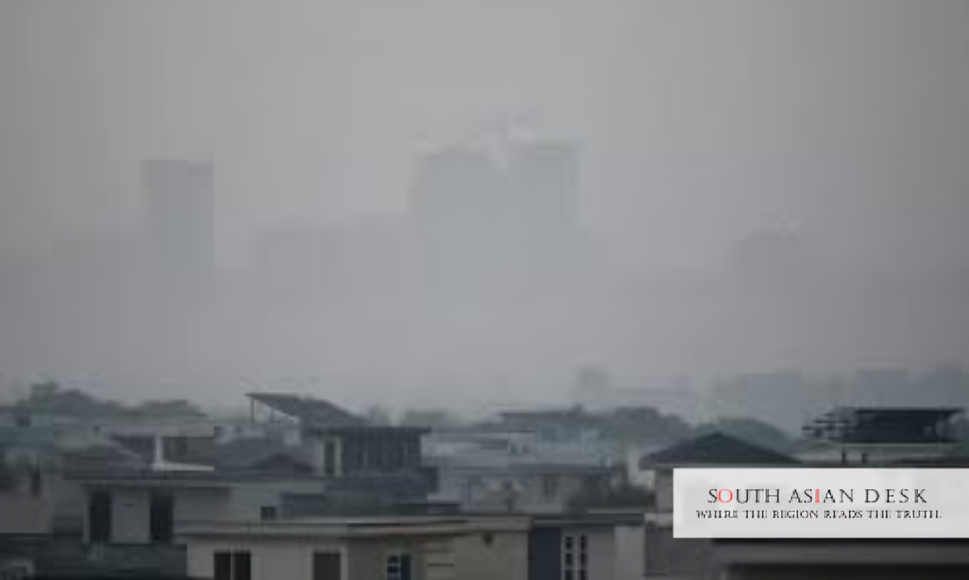
Dense fog Islamabad reduced visibility to 25 metres in parts of the twin cities on Friday, January 3, 2026, halting airport operations for hours and delaying trains amid the intensifying Pakistan cold wave. Motorways issued safety alerts as rawalpindi fog disruption slowed traffic.
Dense fog Islamabad enveloped the twin cities of Rawalpindi and Islamabad on Friday morning. Visibility fell sharply, disrupting air, rail, and road transport. Islamabad International Airport suspended operations from 5 AM to 8 AM. Trains arrived late in Rawalpindi, and motorists faced hazardous conditions during the ongoing Pakistan cold wave. Temperatures hovered at 4 degrees Celsius, with continental air dominating the region.
Such dense fog Islamabad events underscore recurring winter disruptions in Pakistan’s Punjab province. Poor twin cities visibility affects millions reliant on daily commutes, aviation, and goods transport, straining infrastructure during peak cold seasons.
Rawalpindi Fog Disruption Hits Transport Networks
Rawalpindi fog disruption caused widespread delays across multiple modes of travel. Authorities issued warnings as twin cities visibility remained critically low in early hours.
Airport Operations Suspended
Dense fog Islamabad covered Islamabad International Airport from 5 AM to 8 AM on Friday. No flights could operate during this period. Passengers experienced delays, with schedules affected into the day. Nationwide fog led to around 12 delays at Islamabad airport, part of broader disruptions including cancellations and diversions elsewhere.
Rail Delays Compound Issues
Trains to Rawalpindi faced delays due to reduced twin cities visibility. Services from major cities like Lahore and Karachi ran late. Drivers reduced speeds for safety. A railways official noted instructions to slow down to prevent incidents.
Motorway Safety Alerts Issued
National Highways and Motorway Police advised caution amid rawalpindi fog disruption risks. Motorists received guidance to use fog lights, lower speeds, and keep distance. Travel between 10 AM and 6 PM was recommended when twin cities visibility typically improves. Pakistan Meteorological Department reported shallow fog on sections like M1 and M2, with denser patches elsewhere in Punjab. No full closures occurred in the twin cities vicinity, but monitoring continued.
Pakistan Cold Wave Persists
The Pakistan cold wave brought cold, dry weather alongside dense fog Islamabad. Residents reported challenges with low gas pressure in some areas, complicating heating needs.
A Meteorological Department official stated: “The current cold wave accompanied by fog will continue to grip the country, including Rawalpindi and Islamabad, on Saturday as well.” Continental air prevails, with no immediate rainfall forecast. Minimum temperatures stood at 4 degrees Celsius, expected to drop further to 1 degree in coming days.
Twin Cities Visibility Improves Gradually
Twin cities visibility reached lows of 25 metres Friday morning but cleared with sunlight. Dense fog Islamabad lifted progressively, allowing resumption of normal activities by midday.
Pakistan Meteorological Department updates indicate moderate to dense fog likely over Punjab plains, including the twin cities, during mornings and nights. Cold and dry conditions dominate, with very cold nights in hilly areas.
Background
Winter fog frequently affects Pakistan’s plains, particularly Punjab, from December to February. Temperature inversions and calm winds trap moisture, reducing twin cities visibility. Past seasons saw similar rawalpindi fog disruption impacting economy and safety. The ongoing Pakistan cold wave aligns with seasonal patterns, exacerbated by dry continental air.
What’s Next
Fog intensity may ease by week’s end, but moderate patches could persist in Punjab plains. Authorities urge monitoring updates. Dense fog Islamabad expected in early mornings, with continued Pakistan cold wave gripping the region.
Published in SouthAsianDesk, January 3rd, 2026
Follow SouthAsianDesk on X, Instagram and Facebook for insights on business and current affairs from across South Asia.