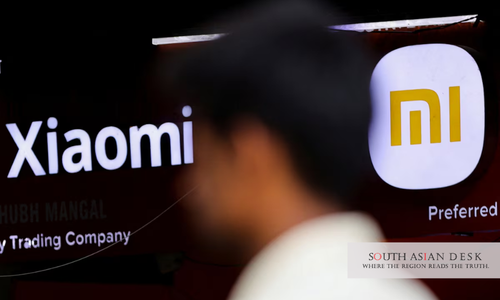
A detailed probe into Xiaomi’s business in India has been recommended by the country’s Serious Fraud Investigation Office, according to an internal memorandum drafted in May and reviewed by Reuters. The document does not amount to a finding that Xiaomi did anything wrong, and no formal investigation has yet been opened, but it marks a significant escalation in the regulatory scrutiny facing the Chinese smartphone maker’s Indian operations.
Why the Serious Fraud Investigation Office Wants a Detailed Probe Into Xiaomi
The Serious Fraud Investigation Office, commonly known as the SFIO, is India’s principal agency for investigating corporate fraud and carries powers to arrest and prosecute offenders. Its memorandum recommends that any investigation examine how Xiaomi obtained the approvals required for investment from countries that share a land border with India, a rule introduced after deadly border clashes between India and China in 2020. New Delhi tightened scrutiny of Chinese capital flowing into the country in the aftermath of those clashes, and compliance with that regime now sits at the heart of the SFIO’s proposed inquiry.
What the Serious Fraud Investigation Office Memorandum Covers
According to the document, the proposed investigation would focus on four broad areas: the movement of funds through Xiaomi’s Indian entities, whether the company secured the mandatory investment approvals required of it, the beneficial ownership of its foreign investors and group companies, and its wider compliance with India’s foreign direct investment rules. The memorandum described the ownership question as the most important element of any inquiry, stating that examining the beneficial ownership of foreign investors and group entities should be central to the proposed investigation.
Foreign Investment Approvals at the Centre of the Inquiry
The emphasis on foreign investment approvals reflects a broader pattern in how India has treated Chinese-linked businesses since 2020. Companies investing from neighbouring countries, a category that in practice has applied almost exclusively to Chinese investors, must clear additional government approval before capital can flow into an Indian entity.
Whether Xiaomi and its related entities followed that process correctly is now one of the questions the SFIO wants examined in detail, alongside the more conventional fraud-related concern over how money moved between the company’s various Indian and overseas entities.
Xiaomi’s Response and What Happens Next
A Xiaomi spokesperson told Reuters that the company had not received any notice or communication from the SFIO, adding that it accords paramount importance to the laws of the land and complies with them fully at all times. Both the SFIO and its parent body, the Ministry of Corporate Affairs, did not respond to questions on the matter.
The recommendation now awaits approval from the ministry, a standard step before any formal SFIO investigation can begin. According to Meghav Gupta, founder of the Indian law firm Consecro Law, there is no fixed timeline for such decisions, and the ministry could take months to decide whether to proceed, decline to act, or refer parts of the matter to other departments instead.
A History of Regulatory Friction in India
This is not the first clash between Xiaomi and Indian authorities. In 2022, the Enforcement Directorate seized roughly 5,551 crore rupees, worth about 676 million dollars at the time, from Xiaomi’s Indian bank accounts, alleging the funds had been illegally remitted abroad disguised as royalty payments. Xiaomi challenged the seizure, arguing that the bulk of the money represented legitimate royalty payments to Qualcomm for chip licensing rather than funds being diverted out of India.
The dispute has moved through India’s courts in the years since, even as Xiaomi’s position in the Indian smartphone market has weakened considerably, with its share falling to around 13 percent according to Counterpoint Research data cited by Reuters, down from roughly 19 percent previously.
Timing Adds a Diplomatic Dimension
The disclosure of the SFIO memorandum comes just days before Chinese President Xi Jinping is expected to travel to India for a BRICS summit, adding a diplomatic backdrop to a matter that is, on its face, a domestic corporate compliance question. Xiaomi is also not alone in facing this kind of scrutiny.
Indian authorities have separately looked into the local operations of other Chinese electronics firms in recent years, part of a wider pattern of regulatory attention on China-linked businesses operating in the country. Whether the Ministry of Corporate Affairs ultimately clears the SFIO to open a formal investigation into Xiaomi will likely take months to determine, leaving the company’s Indian business under a cloud of regulatory uncertainty in the meantime.
Published in SouthAsianDesk, September 10th, 2026
Follow SouthAsianDesk on X, Instagram and Facebook for insights on business and current affairs from across South Asia.