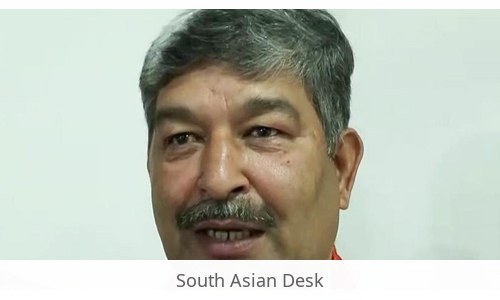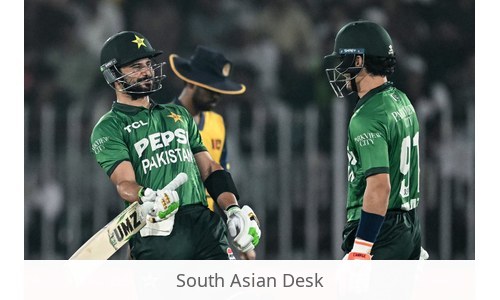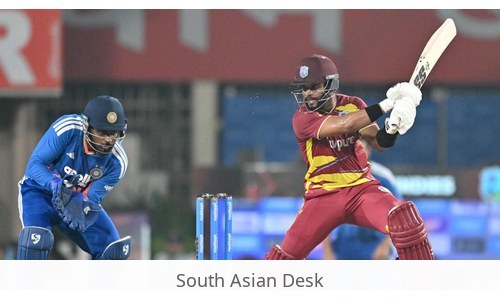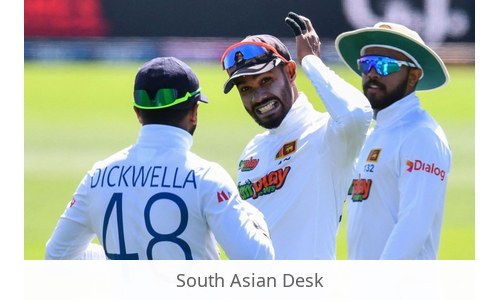
Dhananjaya de Silva resignation: Dhananjaya de Silva’s resignation has sent shockwaves through the cricketing world, with the Sri Lankan Test cricket captain stepping down on October 8, 2026, as reported by the Daily Mirror. This unexpected move comes ahead of the Sri Lanka cricket team’s upcoming Test series against Pakistan in November 2026, with Kusal Mendis appointed as the new captain. De Silva’s decision to step aside, while remaining available for selection, introduces a layer of complexity to team strategy and leadership dynamics.
Dhananjaya de Silva resignation: Impact on the Team
The Test series against Pakistan will be a critical test for Kusal Mendis as he assumes the role of Sri Lanka Test cricket captain. Analysts suggest that Mendis’s leadership style, shaped by his experience in limited-overs formats, could influence the team’s approach to Test cricket. De Silva’s availability adds an intriguing dimension to the team’s strategy, as his potential inclusion may either challenge Mendis’s authority or provide tactical depth. This shift in cricket leadership raises questions about how the team will adapt to new dynamics under Mendis’s guidance.
The transition from De Silva’s established leadership to Mendis’s more modern approach could redefine the Sri Lanka cricket team’s identity in the upcoming series. De Silva, known for his traditional and authoritative style, had led the team through several key matches, including crucial Test series against India and Australia. His departure leaves a void in the team’s leadership structure, particularly in high-pressure situations. Meanwhile, Mendis’s experience as vice-captain during the 2025 Asia Cup, where he helped the team secure a semi-final spot, suggests he is capable of handling the pressures of captaincy.
Kusal Mendis’s Leadership Style
Kusal Mendis, who previously served as vice-captain, brings a pragmatic and data-driven approach to leadership. His tenure as interim captain during the 2025 Asia Cup highlighted his ability to adapt to pressure and maintain player morale. Unlike De Silva’s more traditional leadership, Mendis is expected to prioritize inclusivity and analytical decision-making. This transition from De Silva’s established style to Mendis’s modern approach could redefine the Sri Lanka cricket team’s identity in the upcoming series against Pakistan.
Mendis’s leadership philosophy is rooted in collaboration and strategic flexibility. During the 2025 Asia Cup, he implemented a rotating batting order that maximized the team’s strengths against spin-heavy conditions, a decision that earned praise from coaches and analysts. His ability to foster a cohesive team environment, combined with a focus on data analytics, positions him as a leader who can bridge the gap between traditional cricketing values and modern tactical approaches.
Reasons Behind the Resignation
Speculation surrounding Dhananjaya de Silva’s resignation has centered on personal and professional pressures. The Daily Mirror reported that tensions over the team’s performance and leadership structure may have contributed to his decision, though no official statement was provided. Fans and analysts remain divided, with some praising De Silva’s contributions as captain while others question the timing of his exit. The Board of Control for Cricket in Sri Lanka (BCCCL) has yet to comment on the transition, leaving the cricket leadership changes open to interpretation.
De Silva’s tenure as captain was marked by both triumphs and challenges. Under his leadership, Sri Lanka secured notable victories against top-tier teams, but the team also faced criticism for inconsistent performances in key matches. The pressure to deliver results in the upcoming Test series against Pakistan, a team known for its aggressive batting and bowling, may have intensified internal discussions about leadership strategies. However, without an official statement from De Silva or the BCCCL, the exact reasons for his resignation remain unclear.
The Road Ahead for Sri Lanka Cricket
With the Test series against Pakistan looming, the Sri Lanka cricket team faces a pivotal moment under Kusal Mendis’s captaincy. De Silva’s decision to remain available for selection adds an element of uncertainty, as his potential role could either bolster the team’s depth or create internal competition. The shift in leadership also raises questions about the long-term stability of the Sri Lanka Test cricket captaincy. Analysts are closely watching how Mendis navigates this transition, particularly in high-pressure matches against Pakistan.
The upcoming series will be a litmus test for Mendis’s leadership capabilities. His ability to unify the team, make strategic decisions, and handle pressure will be critical in determining the outcome of the series. Meanwhile, De Silva’s presence in the squad could provide a valuable mentorship role, offering guidance to younger players and supporting Mendis’s leadership. However, the balance between De Silva’s influence and Mendis’s authority will be crucial in maintaining team cohesion.
Follow SouthAsianDesk on X, Instagram and Facebook for insights on business and current affairs from across South Asia.
Sources
- ‘Smiling Captain’ Dhananjaya throws in the towel – dailymirror.lk
- Kusal Mendis appointed Sri Lanka Test captain after Dhananjaya de Silva steps down – cricinfo.com
Image: p.imgci.com