The United States Food and Drug Administration (FDA) issued an import alert, effective Wednesday, June 10, 2026, barring drugs manufactured at Dabur India’s plant in Silvassa, Dadra and Nagar Haveli, from entering the United States, citing violations in data integrity and manufacturing practice standards at the facility.
The FDA Import Alert Explained
The alert, designated Import Alert IA 66-40, became effective on June 10, 2026, and pertains to drugs manufactured at Dabur India’s plant located in Silvassa, Dadra and Nagar Haveli. Formally titled “Detention Without Physical Examination of Drugs from Firms Which Have Not Met Drug GMPs,” the alert authorises FDA field personnel to detain, without physical examination, drugs or drug products from foreign establishments placed on the agency’s Red List. Under this enforcement mechanism, known as Detention Without Physical Examination (DWPE), shipments from the Silvassa facility are denied entry into the United States until the manufacturer furnishes satisfactory evidence that identified manufacturing violations have been corrected.
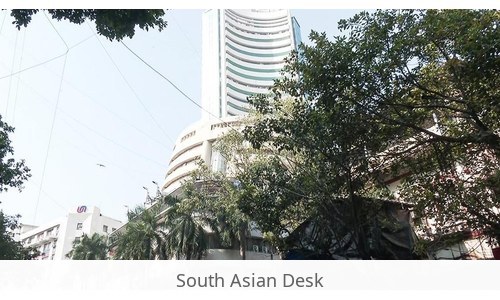
Dabur India confirmed that the notification of the import alert was received on June 10, 2026, at 3:29 AM. The company disclosed the matter to the Bombay Stock Exchange in a regulatory filing on Thursday, June 11, 2026.
Manufacturing Deficiencies at the Silvassa Facility
The FDA identified multiple deficiencies at the plant, raising concerns over potential microbiological contamination and non-compliance with manufacturing standards. The agency observed lapses in equipment cleaning, maintenance and quality control procedures at the facility.
Investigators found evidence that production records had been altered to obscure how certain equipment was being used, with machinery assigned to specific products reportedly used across multiple manufacturing processes. The falsification of records to conceal cross-use of designated equipment represents a significant data integrity concern under US pharmaceutical regulations.
The FDA further raised concerns regarding the reliability of microbiological testing carried out at the plant. While official records reportedly showed that samples met prescribed safety limits, inspectors observed significant contamination in several samples during the inspection process. The divergence between documented results and on-site observations formed part of the basis for the agency’s enforcement decision.
The report also said management had not reviewed drug production and quality records to determine compliance with regulatory requirements before batches were released to the market, and cited deficiencies in equipment cleaning and maintenance procedures.
According to Dabur, bird excreta were found in a section of the facility. However, the company emphasised that the area was located far away from the actual production zone and did not affect manufacturing operations.
Following inspectional observations, Dabur India submitted suitable responses to the FDA. Upon review of these responses and the Establishment Inspection Report (EIR), the import alert was issued.
Dabur India’s Response and Impact Assessment
Dabur India stated that the alert concerns only a small part of its manufacturing operations related to private label products, which contribute insignificantly to its overall revenue. Domestic products manufactured at the Silvassa plant are not covered by this alert and remain unaffected. The Silvassa plant continues to be operational.
Dabur India is actively engaging with the FDA by providing detailed corrective and preventive action plans. Multiple internal and external third-party testing initiatives have shown no out-of-specification results or any other concerns with any of the company’s products. Dabur reiterated its commitment to maintaining product quality and ensuring consumer safety, emphasising that this is a one-off incident. The company is also exploring alternate sourcing strategies for its US customers.
The Silvassa plant is primarily engaged in the production of petroleum jelly meant for export markets. Dabur is one of India’s oldest and largest consumer goods companies, describing itself as one of the world’s largest suppliers of Ayurvedic products with a legacy of over 140 years. It sells a range of over-the-counter and consumer health products in the United States, including cough and cold rubs, antifungal creams, pain relief gels, and oral care products.
Background
The development adds to growing regulatory scrutiny facing Indian pharmaceutical and healthcare manufacturers supplying products to global markets, particularly the United States. Over the past several years, US regulators have intensified inspections of Indian plants over concerns ranging from data integrity to contamination controls and manufacturing standards.
Following earlier disclosure of FDA observations, Dabur India shares tumbled on Monday, June 2, 2026. Shares of the company fell more than 4 per cent during trading as investors assessed the regulatory implications of the Silvassa plant findings.
What’s Next
In order to remove a foreign establishment’s products from the Red List of Import Alert IA 66-40, information must be provided to the agency to adequately demonstrate that the manufacturer has resolved the conditions that gave rise to the appearance of the violation. FDA will generally conduct an inspection to confirm that corrective actions have been implemented prior to closing the matter and removing the firm from the Red List. As Dabur India works through the remediation process and its engagement with the FDA import alert framework, the speed and credibility of its corrective measures will be closely watched by investors, US trading partners, and the wider Indian pharmaceutical manufacturing sector.
Published in SouthAsianDesk, June 12, 2026
Follow SouthAsianDesk on X, Instagram and Facebook for insights on business and current affairs from across South Asia.