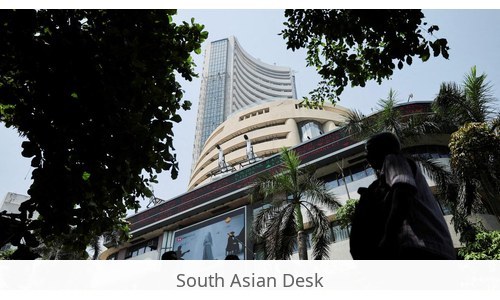
On October 1, 2026, the 30-share BSE Sensex declined by 215 points to 72,257.30 in early trading, reflecting ongoing foreign fund outflows. The 50-share NSE Nifty was down by 107.25 points to 22,518.90, signaling broader investor caution. This marks a notable Indian stock market decline, with the BSE Sensex drop and NSE Nifty performance reflecting broader investor concerns. These movements follow global economic cues and rising oil prices, which have amplified worries about economic stability in India.
Impact of Foreign Fund Outflows
Foreign fund outflows have become a persistent trend in Indian markets, with inflows recorded at $1.2 billion in the previous week, according to The Hindu. This outflow reflects broader investor sentiment toward emerging markets amid global uncertainty. Analysts note that sustained capital flight could pressure the rupee and increase borrowing costs for corporations. The Reserve Bank of India has previously intervened to stabilize the market, but the current pace of foreign fund outflows raises questions about long-term investor confidence.
The decline in foreign investment has been attributed to a combination of factors, including geopolitical tensions, inflationary pressures, and concerns over the Indian economy’s resilience. While the Indian government has implemented measures to attract foreign capital, the recent outflows suggest that global investors remain cautious about the long-term outlook for emerging markets. This trend is not unique to India, as other emerging economies have also experienced similar capital outflows in response to global economic conditions.
Global Oil Prices and Local Markets
Brent crude futures rose to $98.15 per barrel, while US WTI crude was priced at $90.35 per barrel, according to market data. Higher oil prices increase import costs for energy-dependent economies like India, which imports over 80% of its crude oil. This global oil prices impact has led to inflationary pressures, with the Wholesale Price Index rising to 6.8% in September. Investors are closely monitoring how the government balances fiscal policy with external shocks.
The rising oil prices have also affected the cost of production for industries reliant on energy, leading to higher input costs and reduced profit margins. This has further dampened investor sentiment, contributing to the Indian stock market decline. The impact of oil prices on the Indian economy is multifaceted, affecting not only inflation but also the balance of payments and the overall economic stability in India.
Government Responses to Market Decline
The Indian government has historically used fiscal stimulus and regulatory measures to counter market volatility. In 2023, it introduced a $10 billion liquidity package to attract foreign investment. However, current policy tools remain limited amid high public debt. Finance Minister Nirmala Sitharaman has emphasized maintaining fiscal discipline, but analysts suggest targeted interventions—such as tax incentives for foreign investors or infrastructure spending—could stabilize sentiment.
Historical precedents show that coordinated actions between the central bank and finance ministry often mitigate short-term shocks, especially in the context of economic stability in India. The government’s response to the current situation will be critical in determining the trajectory of the stock markets and the broader economy. While the immediate focus is on stabilizing investor confidence, long-term strategies will be necessary to address the underlying issues driving the result.
The ongoing situation highlights the interconnectedness of global markets and the sensitivity of the Indian economy to external factors. As foreign funds continue to exit, it remains to be seen how the Indian government will adapt its strategies to restore investor confidence and promote economic growth.
Follow SouthAsianDesk on X, Instagram and Facebook for insights on business and current affairs from across South Asia.
Sources
- Stock markets decline in early trade on relentless foreign fund outflows – thehindu.com
- Stock Market LIVE Updates, Sensex Today: Sensex Drops 200 Points Amid Negative Global Cues, Oil Prices Steady – ndtv.com
Image: th-i.thgim.com