Hindu Kush earthquake tremors were felt across Afghanistan and Pakistan on Saturday after a strong quake struck Afghanistan’s mountainous northeast, sending residents rushing out of buildings in several areas.
The European Mediterranean Seismological Centre measured the earthquake at magnitude 6.0 and said it occurred at a depth of around 100 kilometres. Tremors were felt in Kabul and across the border in Pakistan, including parts of Khyber Pakhtunkhwa.
Afghan authorities said there were no immediate official reports of casualties or major damage, though assessments were still under way.
Hindu Kush Earthquake Felt in Kabul and Pakistan
The quake shook buildings in Kabul and was also felt in northern Pakistan, where residents in Swat district reported panic as people left their homes. There were no immediate reports of casualties from Swat, but residents described the tremors as strong and unusually long.
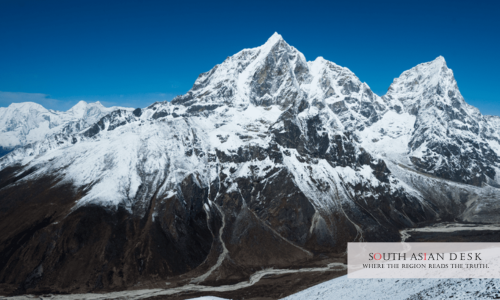
The Hindu Kush region is one of the most seismically active areas in South and Central Asia. Earthquakes there can be felt over a wide area because many occur deep below the surface, allowing shockwaves to travel across Afghanistan, Pakistan and parts of northern India.
Pakistan Reports Damage After Earlier Quake
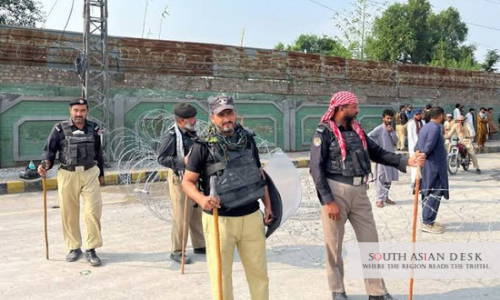
The tremors came on the same day that a separate magnitude 5.4 earthquake struck Pakistan. Officials in Balochistan’s Musakhail district said more than 20 people were injured and dozens of houses were damaged.
Provincial disaster authorities said around 125 houses were affected in the district. Relief teams were sent to the area with tents, food, blankets, solar panels and other emergency supplies.
Prime Minister Shehbaz Sharif expressed grief over the damage and directed authorities to provide urgent assistance to affected communities.
Authorities Continue Damage Assessment
Emergency teams in both Afghanistan and Pakistan were checking affected areas after the tremors. Initial reports suggested the Hindu Kush quake did not cause major destruction, but authorities remained cautious because remote mountainous areas can take longer to assess.
The latest earthquake is another reminder of the region’s vulnerability. Afghanistan and Pakistan lie close to major tectonic fault lines, and both countries have suffered deadly earthquakes in recent years.
For now, officials are focused on confirming damage, supporting affected families in Balochistan and monitoring aftershocks across the wider region.
Published in SouthAsianDesk, June 28, 2026
Follow SouthAsianDesk on X, Instagram and Facebook for insights on business and current affairs from across South Asia.