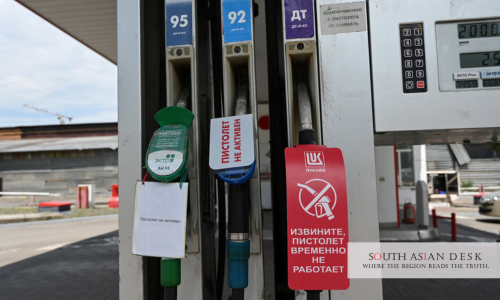
India gas curbs have been withdrawn after liquefied natural gas supplies from the Middle East began returning to normal, easing pressure on fertiliser plants, refineries, city gas distributors and industrial consumers that had faced restricted allocations during the regional supply disruption.
The rollback marks a significant moment for India’s energy market. The restrictions had been introduced as an emergency response to instability in West Asia, where tensions around the Strait of Hormuz raised concerns over the movement of LNG cargoes. With supplies now improving and shipping risks easing, the government has moved to restore normal gas allocations.
India Gas Curbs and Why They Were Imposed
The restrictions were introduced to manage a sudden supply squeeze. India relies on imported LNG to meet part of its natural gas demand, and a meaningful share of those imports is tied to Middle Eastern supply routes. When conflict and shipping uncertainty affected the region, policymakers had to prioritise gas use across essential sectors.
Natural gas is not just a power or industrial fuel. It is central to fertiliser production, refinery operations, city gas distribution, transport fuel and manufacturing. Any disruption can quickly affect food security, industrial output, household fuel supply and inflation.
The curbs were therefore designed to ration available gas and ensure that priority sectors continued receiving supply. Fertiliser plants were especially important because gas is a key input for urea production. Any prolonged shortage could have affected fertiliser availability during the agricultural cycle.
What Has Changed Now?
The withdrawal of the curbs means normal allocations can resume for major consuming sectors. Fertiliser producers, refineries, city gas distributors and industrial users should now receive gas in line with regular supply arrangements rather than emergency restrictions.
The immediate trigger appears to be the easing of LNG supply concerns from the Middle East. As shipments resumed and the risk of disruption through the Strait of Hormuz declined, the need for emergency rationing weakened.
For Indian industry, this is a relief. Gas restrictions had raised uncertainty for manufacturing units that depend on piped natural gas for boilers, furnaces and continuous production. Sectors such as ceramics, chemicals, textiles, glass, food processing, pharmaceuticals and engineering can be particularly exposed when gas supply is cut or priced at expensive spot rates.
Why the Strait of Hormuz Matters
The Strait of Hormuz is one of the world’s most important energy chokepoints. It connects the Persian Gulf to the Gulf of Oman and the wider Arabian Sea. A large share of global oil and LNG shipments passes through or near this route.
For India, the route is especially important because the country imports energy from Gulf suppliers and also has long-term LNG ties with Qatar. A disruption in this corridor can affect not only crude oil and LPG but also LNG cargoes that feed India’s gas grid.
This is why a shipping disruption in West Asia can quickly become a domestic energy issue in India. Even if the physical supply shortage is temporary, uncertainty can push up spot prices, trigger force majeure concerns and force buyers to prioritise essential demand.
Which Sectors Benefit Most?
The biggest immediate beneficiaries are likely to be fertiliser plants, city gas distributors and gas-dependent industries.
Fertiliser plants need steady gas supply because natural gas is used as both fuel and feedstock in urea production. Stable gas availability helps protect agricultural input supply, particularly ahead of sowing and crop cycles.
City gas distributors also benefit because they supply compressed natural gas for vehicles and piped natural gas to households, commercial establishments and smaller industries. If gas availability is tight, city gas companies may have to manage competing claims from domestic, transport and industrial users.
Refineries use gas in processing operations and hydrogen production. Industrial consumers depend on gas for heat, steam and process energy. For them, restoration of normal supply can reduce production uncertainty and limit the need to shift to costlier fuels.
What It Means for Prices
The withdrawal of curbs does not automatically mean gas prices will fall sharply. Prices depend on the mix of long-term contracts, domestic gas, imported spot LNG and global market conditions. However, the move should reduce the scarcity premium that comes with emergency allocation controls.
Industries that were forced to rely on spot purchases or alternative fuels may see some cost pressure ease. City gas companies may also get more predictable supply planning.
The broader impact will depend on how durable the Middle East supply recovery is. If LNG cargoes continue moving smoothly and global spot prices remain contained, Indian buyers will have more flexibility. If regional tensions return, the government may again have to prioritise essential uses.
India’s Energy Security Problem
The episode highlights a familiar issue: India’s energy security remains exposed to external supply shocks. The country has diversified crude oil sourcing in recent years, but LNG markets are still sensitive to geography, shipping routes and long-term supplier relationships.
Natural gas is expected to play a larger role in India’s energy mix as the country tries to reduce pollution, expand city gas networks and support cleaner industrial fuel use. But higher gas use also means greater vulnerability if domestic production does not keep pace and LNG imports remain exposed to geopolitical chokepoints.
India’s long-term challenge is to balance three goals: reliable supply, affordable prices and lower emissions. LNG helps with cleaner fuel access, but it also connects domestic industry to volatile international markets.
Why This Matters Beyond Energy
The lifting of gas curbs is not just an energy-market update. It matters for agriculture, manufacturing, inflation and consumer supply.
If fertiliser plants receive stable gas, the risk of disruption to agricultural inputs falls. If industries receive predictable gas, production schedules improve. If city gas distributors are supplied normally, households and transport users face fewer interruptions.
The decision also signals that the government believes the immediate supply risk has eased. That matters for market confidence because emergency controls are usually a sign of stress. Their withdrawal suggests a return to more regular energy management.
The Remaining Risks
The main risk is that the regional situation remains fragile. LNG supplies may have resumed, but the Strait of Hormuz continues to be a sensitive route. Any renewed escalation could again affect shipping insurance, vessel movement, freight costs and spot LNG prices.
Another risk is India’s dependence on imported energy during periods of peak demand. Even short-term disruption can become costly if domestic alternatives are limited. Gas-fired industries may be forced into expensive fuel switching, while fertiliser and city gas users may require priority protection.
There is also a policy question: how India should build more resilience into gas procurement. This could include more diversified LNG contracts, additional storage, stronger domestic production, flexible terminal capacity and better emergency allocation rules.
The Bottom Line
India’s decision to withdraw gas curbs shows that immediate pressure on LNG supply has eased. Normal allocations to fertiliser plants, refineries, city gas distributors and industrial consumers should help stabilise production and reduce uncertainty across key sectors.
But the episode is also a warning. India’s gas system is becoming more important to the economy, and that makes disruptions in global LNG routes more consequential. The restoration of supply is welcome, but long-term energy security will depend on whether India can reduce its exposure to sudden shocks in the Middle East and global LNG markets.
Published in SouthAsianDesk, July 6, 2026
Follow SouthAsianDesk on X, Instagram and Facebook for insights on business and current affairs from across South Asia.