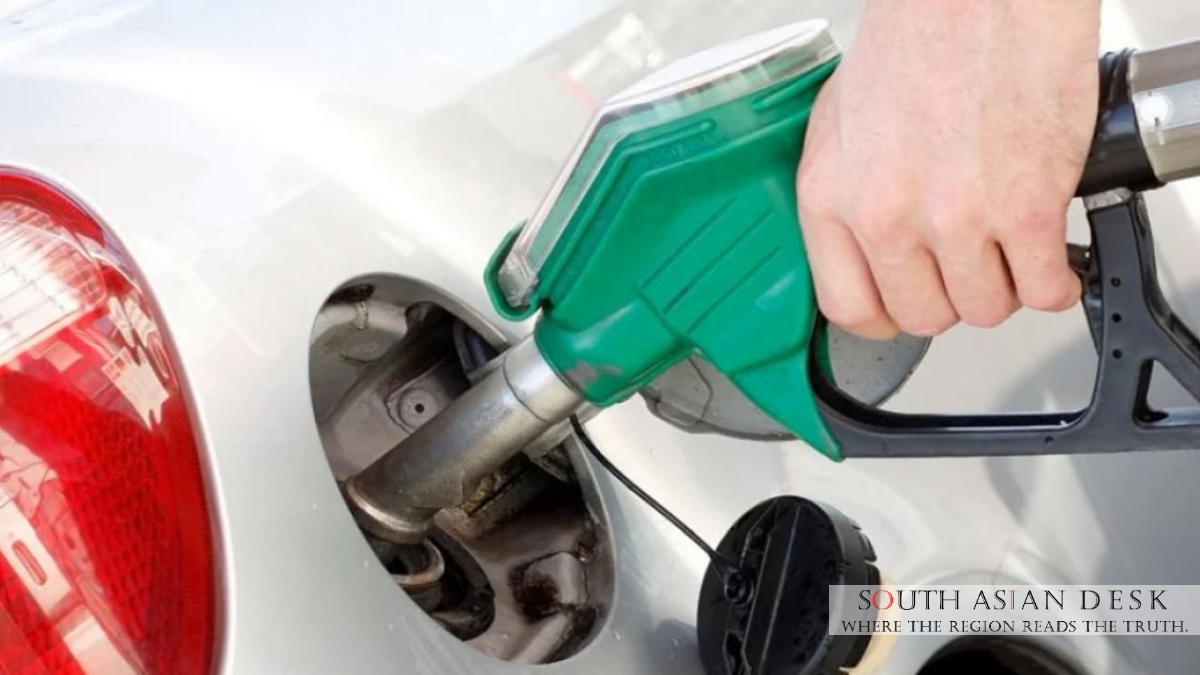
NEW DELHI — India launches gasoline blended with 85% ethanol as part of its latest effort to expand the use of alternative fuels, with the new E85 fuel set to be sold at a significantly lower price than existing petrol blends. The rollout marks a major step in the country’s push toward energy security, lower emissions, and greater use of domestically produced biofuels.
The new fuel, known as E85, contains approximately 85% ethanol and 15% petrol. Indian authorities announced that the fuel will be priced around ₹20 per litre below E20 fuel, which currently contains 20% ethanol and is widely available across the country. The government hopes the lower price will encourage consumers to adopt flex-fuel vehicles capable of running on higher ethanol blends.
Union Petroleum and Natural Gas Minister Hardeep Singh Puri formally launched the initiative in New Delhi on World Environment Day, describing it as another milestone in India’s transition toward cleaner and more affordable transport fuels.
India launches gasoline blended with 85% ethanol to expand biofuel use
The introduction of E85 fuel comes after India successfully achieved nationwide availability of E20 petrol ahead of schedule. Policymakers are now looking to deepen ethanol blending levels as part of broader efforts to reduce dependence on imported crude oil and strengthen domestic energy resilience.
Government officials argue that higher ethanol usage can support rural economies by increasing demand for agricultural feedstocks such as sugarcane while simultaneously helping reduce greenhouse gas emissions from the transport sector.
The launch follows recent regulatory proposals that would formally allow vehicles in India to operate on E85 and even E100 fuels, reflecting the government’s long-term strategy to diversify transportation energy sources.
Flex-fuel vehicles key to E85 adoption
The success of E85 fuel will depend largely on the availability of flex-fuel vehicles, which are specifically engineered to operate on higher ethanol concentrations. Standard petrol vehicles are generally not designed for E85 without modifications.
Indian automakers have already begun introducing compatible models. Recent launches include flex-fuel motorcycles and passenger vehicles capable of operating on blends ranging from conventional petrol to E85 ethanol fuel.
Officials believe the lower fuel price could help offset the higher initial cost of flex-fuel vehicles. Government studies suggest consumers may recover additional vehicle costs within a few years through fuel savings if E85 remains significantly cheaper than conventional petrol.
Economic and environmental implications
India is the world’s third-largest importer and consumer of oil, making fuel diversification a strategic priority. Expanding ethanol use could reduce import dependence, improve energy security, and provide additional revenue opportunities for agricultural producers.
Supporters of ethanol blending also argue that biofuels can contribute to lower carbon emissions compared with conventional fossil fuels, helping India pursue its climate and sustainability goals.
However, experts note that ethanol contains less energy per litre than petrol, which can result in lower fuel economy. The long-term success of E85 will therefore depend on pricing, vehicle availability, consumer acceptance, and the expansion of supporting fuel infrastructure across the country.
India plans to continue expanding its ethanol distribution network, with thousands of ethanol dispensing stations expected to be developed in the coming years as the country accelerates its transition toward alternative fuels.
Published in SouthAsianDesk, June 6, 2026
Follow SouthAsianDesk on X, Instagram and Facebook for insights on business and current affairs from across South Asia.