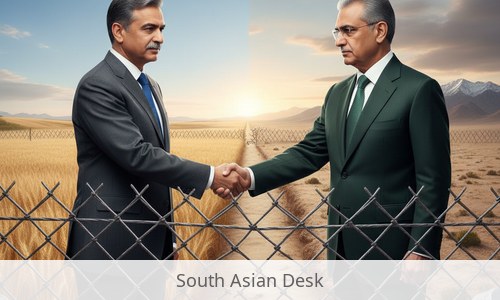
India Pakistan diplomatic relations have come under fresh pressure after New Delhi summoned a senior Pakistani diplomat on October 4, 2026. The move was aimed at expressing concern over cross-border infiltration and at demanding strict adherence to existing bilateral agreements. The episode shows how fragile the dialogue between the two neighbours remains, with border security concerns still at the centre of the dispute.
Why India Pakistan Diplomatic Relations Remain Fragile
The latest summons reflects long-standing anxieties along the shared frontier. The two countries have fought three wars since independence in 1947, and the conflicts of 1965 and 1971 still shape the strategic outlook on both sides. The 1971 war, which led to the creation of Bangladesh, remains a pivotal moment in the bilateral narrative, particularly where territorial integrity and sovereignty are concerned.
More recent history has added to the strain. In April 2025, the killing of 26 civilians in Pahalgam in Jammu and Kashmir was followed by a sharp military and diplomatic confrontation, including India’s Operation Sindoor in May of that year. Diplomatic expulsions and protests have since formed part of a recurring pattern, and each new incident is read against this backdrop.
Recent Incidents Deepen India Pakistan Tensions
The latest developments have also involved Islamabad. Pakistan summoned India’s chargé d’affaires after two Pakistani civilians were killed near the border. Pakistan’s Foreign Ministry stated that the Indian Border Security Force opened fire on three unarmed Pakistani civilians. India has not publicly detailed its version of events, and the conflicting accounts have complicated efforts to establish what took place.
The exchange has renewed India Pakistan tensions, with each side accusing the other of violating the sanctity of the International Border. India has called on Pakistani forces to exercise effective control to prevent unauthorised movement from their side. The demand echoes earlier diplomatic protests, in which New Delhi has repeatedly raised cross-border infiltration as a threat to its security. Islamabad has consistently rejected such allegations, maintaining that it does not permit its territory to be used for militant activity against any country.
The Role of Bilateral Agreements
Bilateral agreements have long served as a framework for managing friction. The 2003 ceasefire agreement was designed to reduce military confrontations along the Line of Control and the International Border. The 2019 Kartarpur Corridor agreement, meanwhile, was intended to ease access for religious pilgrims travelling between the two countries. Both arrangements reflected an effort to build trust through practical cooperation.
India has stressed that Pakistan must strictly observe these commitments, particularly those relating to border security concerns. The current dispute raises fresh questions about how effective such frameworks are when incidents occur and the facts are contested. Their value ultimately depends on mutual compliance and on the willingness of both capitals to use them as channels for communication rather than as grounds for accusation.
What the Summons Means for Future Dialogue
Diplomatic summons are a standard instrument of protest, and they do not by themselves signal a collapse in contact. They do, however, indicate the level of concern in New Delhi over cross-border infiltration and the need to place that concern formally on record. Analysts suggest the situation could lead either to a renewed cycle of hostility or to fresh discussions on border security and counter-terrorism cooperation.
Much will depend on whether the two governments can agree on a shared account of the shooting that left two Pakistani civilians dead. A transparent explanation, or a joint mechanism to examine the incident, would help reduce the risk of further escalation. Without one, competing narratives are likely to harden positions on both sides.
For now, the trajectory of India Pakistan diplomatic relations will be determined by restraint in the coming weeks and by the credibility of the frameworks that both countries have already accepted. Regional stability in South Asia is closely tied to that outcome.