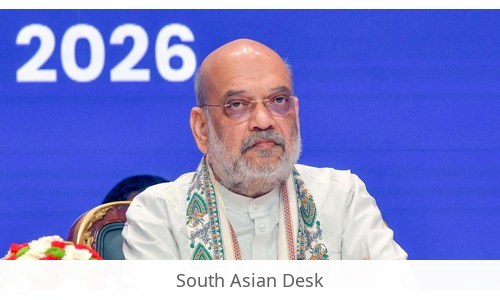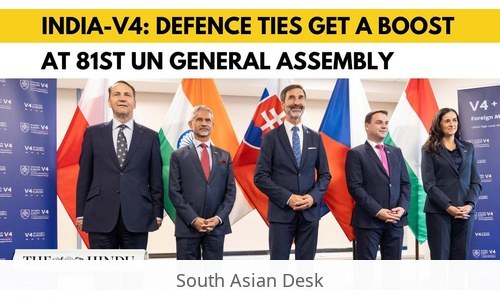
On September 22, 2026, External Affairs Minister S. Jaishankar convened the first India-V4 Foreign Ministers’ meeting on the sidelines of the 81st UN General Assembly in New York. The India-V4 meeting marked a historic milestone in India’s foreign policy, signaling a strategic pivot toward deeper engagement with Central and Eastern Europe through the Visegrad Group (V4) — Poland, Hungary, Slovakia, and the Czech Republic. This event, part of the Jaishankar UNGA 2026 agenda, underscored India’s growing emphasis on India Central Europe cooperation, reflecting a deliberate effort to diversify its global partnerships amid evolving geopolitical dynamics.
India-V4 Meeting: Strengthening Political Cooperation
The India-V4 meeting established a framework for annual Foreign Ministers’ dialogues, as confirmed by Jaishankar. The V4 nations, collectively representing a population of over 100 million, expressed support for India’s bid for a permanent UN Security Council seat, as reported by NDTV. This alignment in Visegrad Group relations highlights a strategic convergence between South Asia and Central Europe, reinforcing political cooperation as a cornerstone of the partnership. The meeting also emphasized the importance of multilateralism in addressing global challenges, with both sides agreeing to collaborate on climate change, digital governance, and regional security frameworks.
Economic and Defense Collaboration
Economic cooperation was a central theme, with discussions focusing on enhancing trade and investment flows between India and the V4 countries. Defense ties were also prioritized, with officials exploring joint ventures in defense technology and cybersecurity. The Hindu reported that the India-V4 meeting laid the groundwork for a strategic partnership encompassing both economic and security dimensions. This collaboration aligns with India’s broader India Central Europe cooperation goals, aiming to strengthen ties in sectors like renewable energy, digital infrastructure, and pharmaceuticals. Specific initiatives included the establishment of a joint task force to streamline trade procedures and a bilateral agreement on technology transfer in the defense sector. The V4 nations expressed interest in leveraging India’s expertise in pharmaceutical manufacturing to address global health challenges, particularly in vaccine production and distribution.
Context and Implications
The India-V4 meeting aligns with broader geopolitical trends, as India seeks to diversify its international partnerships beyond traditional South Asian alliances. The Visegrad Group relations have evolved into a key component of India’s foreign policy, reflecting a deliberate effort to engage with Central and Eastern Europe amid shifting global power dynamics. This development is particularly significant as it occurs amid evolving regional security concerns and the need for multilateral solutions to global challenges. The meeting also signals India’s intent to deepen political cooperation with the V4, leveraging their collective influence in international forums like the UN and the European Union. Analysts note that this partnership could serve as a model for India’s future engagements with other European blocs, such as the Baltic states and the Nordic countries. The V4’s strategic location and economic potential make them a natural partner for India’s “Act East” and “Global South” initiatives, as highlighted in the background context provided by the dossier.
Future Prospects and Strategic Vision
Looking ahead, the the result is expected to catalyze a series of high-level dialogues and working groups focused on trade, technology, and cultural exchange. The V4 countries have expressed interest in expanding their economic ties with India, particularly in the areas of renewable energy and pharmaceuticals, where India has a competitive edge. Additionally, the meeting has paved the way for increased student exchange programs and joint research initiatives in emerging technologies. As India continues to strengthen its India Central Europe cooperation, the V4 nations are likely to play a pivotal role in shaping India’s foreign policy in the coming years. The establishment of a dedicated India-V4 working group on climate action and sustainable development was also announced, reflecting a shared commitment to addressing environmental challenges through collaborative innovation.
Follow SouthAsianDesk on X, Instagram and Facebook for insights on business and current affairs from across South Asia.
Sources
- Jaishankar calls first India-V4 meeting a ‘historic occasion’ | UNGA 2026 – thehindu.com
- India’s UN Security Council Seat Bid Gets Support From 4 European Countries – ndtv.com
Image: th-i.thgim.com