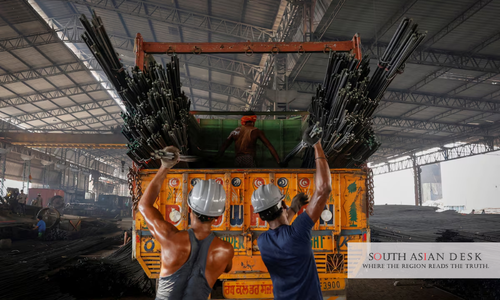
Indian steel prices are expected to climb further in the coming weeks as a post-monsoon pickup in infrastructure and automotive demand tightens the market, while rising coking coal costs push up production expenses for mills. Executives and analysts tracking the sector said the combination of stronger demand and costlier raw materials is likely to sustain the upward momentum seen since August, even though the extent of any increase is likely to remain limited.
Higher prices would help mills recover margins that have been squeezed by surging coking coal costs, though the same increases would raise input costs for infrastructure, construction and automotive companies just as their own demand is picking up.
How Indian Steel Prices Have Moved Since June
Mills in India, the world’s second biggest crude steel producer after China, had marginally cut prices of products such as hot-rolled coil between June and July, trimming rates by 280 rupees, or about 2.96 dollars, per metric ton, according to government data. That trend reversed sharply in August. Hot-rolled coil prices rose by 4,000 rupees per metric ton between August and early September, taking them to a four-year high, according to commodities consultancy BigMint.
Vedant Goel, director at Enlight Metals, said prices are likely to increase by around 3,500 rupees per ton in the coming weeks. Shankhadeep Mukherjee, principal analyst for steel at London based consultancy CRU, said mills have been passing on the increase in coking coal costs, since the raw material accounts for a significant share of overall production expenses. BigMint said the sharp price recovery has been supported by planned maintenance shutdowns at major mills, tighter spot availability and lean distributor inventories.
What Is Driving the Steel Demand Revival
An executive at a large steel mill, who was not authorised to speak to the media, said further price increases are likely in the near term, supported by maintenance shutdowns, post-monsoon restocking, festive season demand, ongoing infrastructure projects and higher coking coal costs. The steel demand revival following the monsoon season is a familiar seasonal pattern in India, as construction activity resumes and automakers ramp up production ahead of the festive period, though this year the effect has coincided with a steeper rise in raw material costs than usual.
Even so, the executives cautioned that a significant increase in Indian steel prices in the coming months is unlikely, since rising imports, particularly from China, could limit how much pricing power domestic mills are able to exercise.
Rising Finished Steel Imports Temper the Outlook
India imposed a safeguard duty on certain steel imports last year to curb a surge in overseas shipments, and in June it launched an anti-dumping investigation into hot-rolled coil imports from China, Japan and Russia. Despite these trade measures, imports have continued to rise. Government data showed India was a net importer of finished steel between April and July, with finished steel imports up 36.6 percent from a year earlier over that period.
Fitch Ratings noted in a report published on September 1 that higher imports remain the key risk to domestic mills’ margins, particularly if competitive pressure from overseas suppliers resurges. This tension between a genuine steel demand revival on the domestic front and a steady inflow of cheaper imports is likely to shape how far mills can push prices before losing volume to foreign competitors.
Outlook for Steel Producers
For now, the combination of higher coking coal costs, tighter supply following maintenance shutdowns and a seasonal uptick in construction and automotive demand appears to be giving Indian mills room to raise prices further. Analysts expect that room to remain fairly narrow, however, given the scale of finished steel imports flowing into the country and the pending outcome of the anti-dumping investigation into shipments from China, Japan and Russia. How that investigation concludes, alongside the trajectory of global coking coal prices, is likely to determine whether the current price recovery in Indian steel markets proves durable or short lived.
Published in SouthAsianDesk, September 9th, 2026
Follow SouthAsianDesk on X, Instagram and Facebook for insights on business and current affairs from across South Asia.